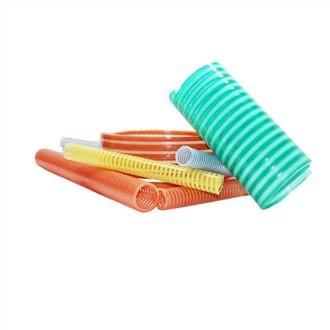
Hey there! As a PVC pipe supplier, I've had my fair share of customers asking about how to seal the ends of PVC pipes. It's a crucial step, whether you're using Pvc Electrical Conduit Pipe Hose for electrical wiring or Plastic Upvc Pipes for plumbing. So, I thought I'd share some tips and tricks on this topic.
Why Sealing PVC Pipe Ends Matters
First off, let's talk about why sealing the ends of PVC pipes is so important. When you leave a PVC pipe open, there's a risk of debris, dirt, and even pests getting inside. This can clog the pipe, reduce its efficiency, and in some cases, cause damage to the system it's part of. For example, if you're using PVC pipes for irrigation, dirt and debris can block the flow of water, leading to uneven watering.
Sealing the ends also helps to prevent leaks. In plumbing systems, even a small leak can cause a lot of damage over time, not to mention the waste of water. By properly sealing the ends, you can ensure that your PVC pipes perform at their best and last for a long time.
Tools and Materials You'll Need
Before you start sealing the ends of your PVC pipes, you'll need to gather a few tools and materials. Here's a list of what you'll typically need:
- PVC primer: This helps to clean and prepare the surface of the PVC pipe for bonding.
- PVC cement: Also known as PVC glue, this is used to bond the pipe and the fitting together.
- End caps or plugs: These are the actual items that will seal the end of the pipe. You can choose from a variety of sizes and styles, depending on your needs.
- Measuring tape: To ensure that you cut the pipe to the correct length.
- Pipe cutter: A sharp pipe cutter will make clean, precise cuts.
- Sandpaper: This is used to smooth the edges of the pipe after cutting.
Step-by-Step Guide to Sealing PVC Pipe Ends
Now that you have all the necessary tools and materials, let's get started with the process of sealing the ends of your PVC pipes.
Step 1: Measure and Cut the Pipe
The first step is to measure the length of the pipe you need and cut it to size. Use a measuring tape to get an accurate measurement, and then use a pipe cutter to make a clean cut. Make sure the cut is straight and perpendicular to the axis of the pipe.
After cutting the pipe, use sandpaper to smooth the edges. This will help to ensure a better seal when you attach the end cap or plug.
Step 2: Clean the Pipe and Fitting
Next, you'll need to clean the end of the pipe and the inside of the end cap or plug. Use a clean cloth to wipe away any dirt, dust, or debris. Then, apply PVC primer to the outside of the pipe and the inside of the fitting. The primer will help to remove any grease or oil and prepare the surface for bonding.
Let the primer dry for a few minutes. You'll know it's dry when it no longer feels sticky to the touch.
Step 3: Apply PVC Cement
Once the primer is dry, it's time to apply the PVC cement. Apply a thin, even layer of cement to the outside of the pipe and the inside of the fitting. Make sure to cover the entire surface that will be in contact with the other part.
Be careful not to apply too much cement, as this can cause the joint to become weak. Also, work quickly, as PVC cement dries fast.
Step 4: Attach the End Cap or Plug
After applying the PVC cement, immediately insert the end of the pipe into the end cap or plug. Twist the fitting slightly to ensure that the cement is evenly distributed and to remove any air bubbles.
Hold the fitting in place for a few seconds to allow the cement to start bonding. Then, let the joint dry for at least 24 hours before using the pipe.


Alternative Sealing Methods
In some cases, you may not want to use PVC primer and cement to seal the ends of your PVC pipes. For example, if you need to be able to remove the end cap or plug later, or if you're working in a situation where the use of chemicals is not allowed. In these cases, there are a few alternative sealing methods you can try.
Rubber Gaskets
Rubber gaskets are a popular alternative to PVC cement. They provide a tight seal and can be easily removed if needed. To use a rubber gasket, simply insert it into the end of the pipe and then place the end cap or plug over the gasket. Make sure the gasket is properly seated and that there are no gaps.
Threaded Caps
Threaded caps are another option for sealing PVC pipe ends. These caps have threads on the inside that match the threads on the outside of the pipe. To use a threaded cap, simply screw it onto the end of the pipe until it's tight.
Tips and Tricks
Here are a few tips and tricks to help you seal the ends of your PVC pipes like a pro:
- Work in a well-ventilated area: PVC primer and cement can emit strong fumes, so it's important to work in a well-ventilated area. If possible, work outdoors or in a room with good airflow.
- Use the right size end cap or plug: Make sure the end cap or plug you choose is the correct size for your pipe. A cap or plug that's too small won't fit properly, while one that's too large won't provide a tight seal.
- Follow the manufacturer's instructions: Different brands of PVC primer and cement may have slightly different instructions, so make sure to read and follow the manufacturer's instructions carefully.
- Practice on a scrap piece of pipe: If you're new to working with PVC pipes, it's a good idea to practice on a scrap piece of pipe first. This will help you get the hang of the process and ensure that you do it right the first time.
Conclusion
Sealing the ends of PVC pipes is an important step in any PVC pipe installation. By following the steps outlined in this guide and using the right tools and materials, you can ensure that your PVC pipes are properly sealed and perform at their best.
If you're in the market for high-quality PVC pipes, including 500mm Diameter Pvc Pipe, feel free to reach out. We're here to help you with all your PVC pipe needs and can provide you with the best products and advice. Whether you're a DIY enthusiast or a professional contractor, we've got you covered. Contact us to start your procurement process and let's discuss how we can meet your specific requirements.
References
- "PVC Pipe Installation Guide," Plastics Pipe Institute
- "How to Work with PVC Pipe," This Old House