As a PPR pipe supplier, I often get asked about the hardness of PPR pipes. It's a crucial aspect that many customers care about, as it directly impacts the pipe's performance and longevity. So, let's dig into what the hardness of PPR pipes really means and why it matters.
What is PPR Pipe?
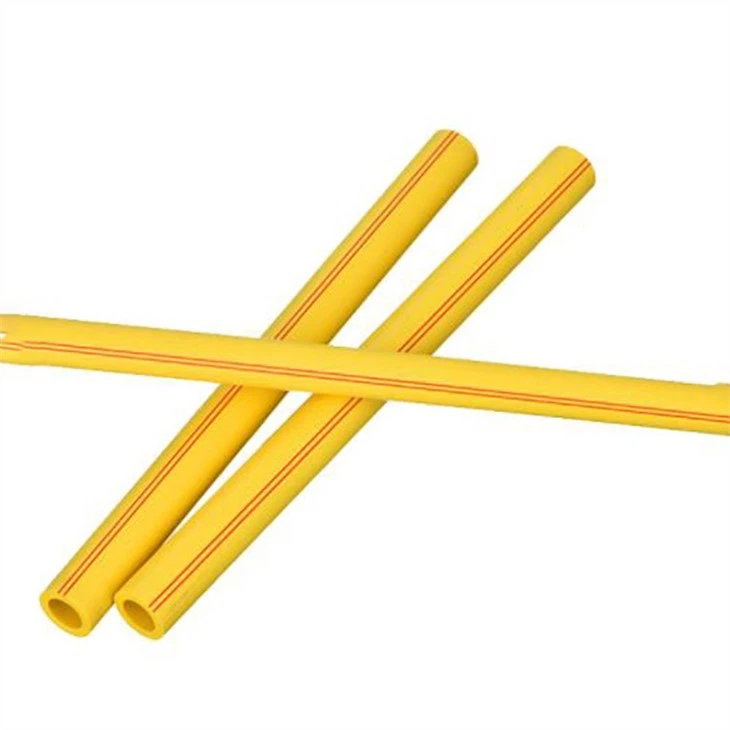
First off, let's quickly go over what PPR pipe is. PPR stands for Polypropylene Random Copolymer. It's a type of plastic pipe that's become super popular in plumbing and heating systems. You can find more details about PPR pipes on these pages: Plumbers Ppr Pipe and Plastic Pipe Polypropylene.
Defining Hardness of PPR Pipe
When we talk about the hardness of a PPR pipe, we're essentially referring to its ability to resist deformation, indentation, or scratching under an applied force. Unlike metals, where hardness is often measured using well - established scales like the Rockwell or Brinell, for plastics like PPR, we use different methods.
One common way to assess the hardness of a PPR pipe is through the Shore D hardness test. In this test, a durometer with a pointed indenter is pressed onto the surface of the pipe. The hardness value is then determined based on the depth of the indentation. Generally, PPR pipes have a Shore D hardness in the range of 60 - 75.
But hardness isn't just about a single number. It's also affected by various factors. Temperature plays a huge role. At lower temperatures, PPR pipes tend to become harder and more brittle. On the flip side, at higher temperatures, they become softer and more flexible. That's why it's important to consider the operating temperature when choosing PPR pipes for a particular application.
Why Hardness Matters
The hardness of a PPR pipe has several implications for its real - world use.
Strength and Durability
A harder PPR pipe is generally stronger and more resistant to damage. It can withstand more pressure without bursting or cracking. This is especially important in plumbing systems where the pipes are constantly under pressure from the flow of water. For example, in a high - rise building, the pipes need to be strong enough to handle the water pressure at different floors. A softer pipe might not be able to handle this stress and could lead to leaks or even pipe failure.
Resistance to External Damage
Harder pipes are also more resistant to external damage. They're less likely to be scratched or dented during installation or during normal use. Scratches and dents can weaken the pipe over time and increase the risk of leaks. Imagine if a pipe gets scratched during installation and then starts to leak after a few years due to corrosion or stress around the scratch. A harder pipe would better withstand these minor impacts and keep the system running smoothly.
Chemical Resistance
The hardness of a PPR pipe can also influence its chemical resistance. A harder pipe structure often means better resistance to chemicals in the water. This is crucial in areas where the water may contain certain chemicals, such as in industrial areas or areas with hard water. PPR pipes need to be able to withstand these chemicals without degrading, and hardness can play a part in ensuring this.
Our PPR Pipes and Hardness
As a PPR pipe supplier, we take great care to ensure that our pipes have the right hardness for different applications. We've invested in advanced testing equipment to measure the hardness accurately and make sure our products meet the highest standards.
When you choose our Plastic Pipe Ppr, you're getting a pipe that has been carefully engineered. Whether you need pipes for a residential plumbing system or a large - scale industrial project, we have the right product for you.
Our pipes are manufactured using high - quality polypropylene raw materials. We control the production process tightly to achieve the optimal hardness. This means that our pipes offer excellent strength, durability, and chemical resistance, all thanks to the right hardness level.
How to Determine if Our PPR Pipes Are Right for You
If you're unsure whether our PPR pipes with their specific hardness levels are suitable for your project, here are some things to consider:
First, think about the operating conditions. What's the temperature range where the pipes will be used? If it's a cold climate, you might need a slightly harder pipe to prevent brittleness. If it's a hot environment, a pipe with a bit more flexibility (but still within the appropriate hardness range) could be better.
Next, consider the pressure requirements of your system. High - pressure applications demand stronger, harder pipes. Our technical team can help you determine the right pipe based on your pressure needs.
Also, think about the type of water or fluid that will flow through the pipes. If it contains chemicals or has a high mineral content, you'll need a pipe with good chemical resistance, which is often related to its hardness.

Contact Us for Your PPR Pipe Needs
If you're in the market for PPR pipes, don't hesitate to reach out. We're here to help you find the perfect solution for your project. Whether you're a contractor, a plumber, or a DIY enthusiast, we have the pipes you need with the right hardness to ensure long - lasting performance.
Get in touch today and let's start discussing your PPR pipe requirements. We're confident that you'll be satisfied with our products and services.
References
- ASTM International standards for plastic pipes
- Technical literature on polypropylene random copolymer materials