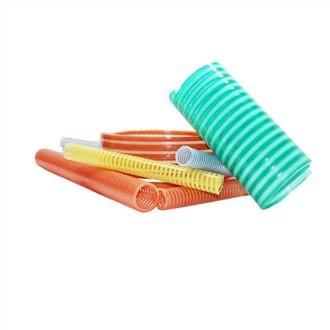
Hey there! As a long - time supplier of LPG hoses, I'm super keen to chat about the expansion and contraction properties of these crucial pieces of equipment. LPG, or liquefied petroleum gas, is used in a ton of industries and households daily. And the hoses that carry this gas need to be up to the task, including handling the inevitable expansion and contraction that comes with different conditions.
Let's start with the basics. The expansion and contraction of an LPG hose are mainly affected by two big factors: temperature and pressure.


Temperature's Impact
Temperature has a huge say in how LPG hoses behave. Just like most materials, when the temperature goes up, the LPG hose expands. This is due to the molecules in the hose material gaining energy and moving around more, which causes them to take up more space. Conversely, as the temperature drops, the molecules lose energy and move closer together, leading to contraction.
In hot climates or during summer months, the increased temperature can cause the LPG hose to expand. If the hose is installed in a way that doesn't allow for this expansion, it can lead to all sorts of problems. For example, it might put extra stress on the fittings at the ends of the hose, causing leaks or even failure. You can easily imagine how dangerous a gas leak can be, especially when dealing with highly flammable LPG.
On the other hand, in cold weather, the contraction of the hose can also pose risks. A contracted hose might become brittle, increasing the chance of cracking. And if a crack forms, well, you're looking at another potential gas leak situation.
To deal with these temperature - related challenges, when we supply Lpg Gas Connector Hose, we make sure to use materials that have good thermal stability. These materials can handle a wide range of temperatures without significant changes in their structure that could lead to problems.
Pressure's Role
Pressure is another major player in the expansion and contraction game of LPG hoses. When the pressure inside the hose goes up, like when the LPG is flowing under high - pressure conditions, the hose will expand. The pressure forces the molecules in the hose material to spread out, resulting in an increase in the diameter and length of the hose.
If the pressure is too high and the hose is not designed to handle it, the expansion can be excessive. This might cause the hose to bulge or even burst. That's obviously a huge safety concern, as it can lead to gas being released into the environment in an uncontrolled way.
Conversely, when the pressure drops, the hose will contract. This might not seem as dangerous as over - expansion, but it can still affect the performance of the hose. For instance, repeated cycles of high - and low - pressure can cause wear and tear on the hose material over time.
At our company, we test our Propane Lpg Gas Hose rigorously to ensure they can withstand the pressure fluctuations they'll likely encounter in real - world use. We use high - quality materials and advanced manufacturing techniques to build hoses that can handle these pressure changes without compromising safety.
Material Matters
The type of material used in the LPG hose also has a significant impact on its expansion and contraction properties. Different materials respond differently to temperature and pressure changes.
Rubber is a commonly used material for LPG hoses. It's flexible and has relatively good resistance to the chemicals in LPG. However, it can be more prone to expansion and contraction compared to some other materials. That's why we offer Rubber Hose To Lgp that are specially formulated. We add additives to the rubber to improve its thermal and pressure stability, reducing the amount of expansion and contraction.
Other materials, like certain types of plastics or composites, can also be used. These materials might have different properties in terms of expansion and contraction. For example, some plastics might have lower coefficients of thermal expansion, meaning they expand and contract less with temperature changes compared to rubber.
Testing and Quality Assurance
We take the expansion and contraction properties of our LPG hoses very seriously. Before we send any hose out to our customers, we put it through a battery of tests.
We simulate different temperature and pressure conditions in our testing facilities. We measure how much the hose expands and contracts under these conditions and compare the results with industry standards. If the hose doesn't meet our strict quality requirements, it doesn't leave our factory.
We also conduct long - term durability tests. We subject the hoses to repeated cycles of expansion and contraction to see how they hold up over time. This helps us ensure that our hoses will have a long service life and perform reliably in the field.
Considerations for Installation
When it comes to installing LPG hoses, it's important to consider their expansion and contraction properties. The installation should allow for some flexibility. For example, when mounting the hose, leave some extra slack so that it can expand without being restricted.
Also, make sure the fittings at the ends of the hose are properly tightened. Loose fittings can cause leaks, especially when the hose is expanding or contracting. But be careful not to over - tighten them either, as this can damage the hose.
Why Choose Our LPG Hoses
As a trusted supplier of LPG hoses, we've got a lot to offer. Our hoses are made from high - quality materials that are carefully selected for their performance in terms of expansion and contraction. We use the latest manufacturing techniques to ensure consistent quality.
Our hoses are not only safe but also highly reliable. We've got a team of experts who are constantly working on improving our products. Whether you need a hose for a small - scale home application or a large - scale industrial setup, we've got a solution for you.
If you're in the market for top - notch LPG hoses, don't hesitate to reach out to us. We're here to help you find the right hose for your needs. Our customer service team is always ready to answer your questions and guide you through the selection process.
In conclusion, understanding the expansion and contraction properties of LPG hoses is crucial for ensuring their safe and efficient use. By choosing the right materials, conducting proper testing, and following correct installation procedures, we can make sure these hoses perform well in any situation. So, if you're looking to buy LPG hoses, head over to us. We're committed to providing you with the best products and services.
References
- Industry guidelines on LPG hose safety and performance
- Research papers on the material properties and behavior of LPG hoses under different conditions