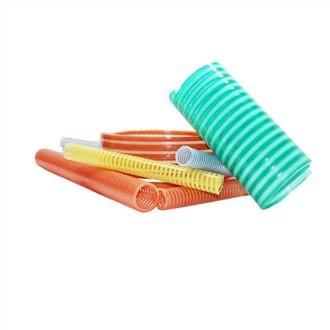
PPR pipe, a commonly used plumbing material in modern construction, has gained significant popularity due to its superior performance and durability. As a professional PPR pipe supplier, I am often asked about the full - form of PPR pipe. In this blog, I will not only explain what PPR stands for but also delve into its properties, applications, and why it is an ideal choice for various projects.
The Full - form of PPR Pipe
PPR stands for Polypropylene Random Copolymer. Polypropylene is a thermoplastic polymer that is widely used in many industries because of its excellent chemical resistance, mechanical properties, and relatively low cost. The "Random Copolymer" part indicates that it is a type of polypropylene produced by copolymerizing propylene with a small amount of other monomers, usually ethylene, in a random pattern. This random copolymerization process gives PPR pipes unique characteristics that set them apart from other types of polypropylene products.
Properties of PPR Pipes
PPR pipes have several remarkable properties that make them a top - choice material in the plumbing and piping industry.
1. High Temperature Resistance
One of the outstanding features of PPR pipes is their ability to withstand relatively high temperatures. They can generally operate safely at continuous service temperatures of up to 70 °C and can briefly handle temperatures up to 95 °C. This high - temperature resistance makes PPR pipes suitable for use in hot water supply systems, both in residential and commercial buildings. For example, in a domestic hot water circulation system, PPR pipes can maintain their structural integrity and performance even when transporting hot water for long - term periods.
2. Excellent Chemical Resistance
PPR pipes are highly resistant to a wide range of chemicals. They can resist the corrosion of most acids, alkalis, and salts, which is essential for ensuring the long - term stability of the pipes, especially when they are used to transport various fluids with different chemical compositions. This property also means that PPR pipes can be used in industrial settings where they may come into contact with chemical - containing water or other fluids.
3. Good Mechanical Properties
PPR pipes have good impact strength and tensile strength, which allows them to withstand external mechanical stresses without being easily damaged. They are also flexible enough to be bent to a certain degree during installation, reducing the need for a large number of joints and fittings. This not only simplifies the installation process but also reduces the potential for leakages at the connection points. For instance, during the installation of a complex piping network in a building, the flexibility of PPR pipes makes it easier to navigate around obstacles.
4. Hygiene and Safety
PPR is a non - toxic and odorless material, which makes it an ideal choice for drinking water supply systems. It does not release any harmful substances into the water, ensuring the safety and hygiene of the water transported. With the increasing concern for healthy living environments, the high - quality drinking water transportation feature of PPR pipes has become a significant advantage.
Applications of PPR Pipes
PPR pipes have a wide range of applications in different fields, mainly due to their excellent properties.
1. Residential Plumbing
In residential buildings, PPR pipes are widely used for both cold and hot water supply systems. They are installed from the main water inlet to each water - using point, such as sinks, toilets, and showers. Their durability, ease of installation, and resistance to corrosion and high temperatures make them a popular choice among homeowners and plumbers alike. Additionally, their aesthetic appearance also blends well with modern interior decoration styles.
2. Commercial Buildings
Commercial buildings, such as offices, hotels, and shopping malls, also extensively use PPR pipes. In these buildings, the demand for reliable water supply systems is high. PPR pipes can meet the large - scale water transportation needs, whether it is for general water use or for specific applications like air - conditioning chilled water systems. The ability of PPR pipes to handle high - volume and high - pressure fluid flow makes them suitable for these complex commercial environments.
3. Industrial Applications
In industrial plants, PPR pipes are used for transporting various industrial fluids, including process water, chemical solutions, and even some high - temperature industrial wastewater. The chemical resistance of PPR pipes ensures the safe transport of these fluids, while their high - temperature resistance allows them to operate effectively in industrial processes that involve heating or cooling operations.
Advantages of Choosing Our PPR Pipes
As a PPR pipe supplier, we are committed to providing high - quality PPR pipes that meet the diverse needs of our customers.


1. Strict Quality Control
We implement strict quality control measures throughout the production process of our PPR pipes. From the selection of raw materials to the final product inspection, every step is carefully monitored to ensure that our pipes meet the highest quality standards. This strict quality control ensures the reliability and durability of our PPR pipes in various applications.
2. Diverse Product Range
We offer a wide range of PPR pipes, including different diameters, wall thicknesses, and lengths, to meet the needs of different projects. Whether it is a small - scale residential plumbing project or a large - scale industrial construction project, we can provide the appropriate PPR pipes. For example, we have thin - walled PPR pipes for low - pressure domestic water supply and thick - walled pipes for high - pressure industrial applications.
3. Professional Technical Support
Our team of experts is always ready to provide professional technical support to our customers. Whether you have questions about the installation of PPR pipes, the selection of the right product for your project, or any other technical issues, we can offer you detailed and accurate advice. This professional support ensures that our customers can use our PPR pipes with confidence.
Where to Learn More
If you are interested in learning more about PPR pipes, you can visit our websites: Plastic Polypropylene Pipes, Plastic Pipe Polypropylene, and Plastic Pipe Ppr. These websites provide detailed information about our PPR pipe products, including specifications, application cases, and installation guides.
Contact Us for Procurement
If you are planning a project that requires PPR pipes, we invite you to contact us for procurement and further consultation. We are eager to cooperate with you and provide you with the best - quality PPR pipes and services. Whether you are a contractor, a builder, or an end - user, we can assist you in finding the most suitable PPR pipe solutions for your needs.
References
- Handbook of Thermoplastics, edited by O. Olabisi
- Plumbing Engineering Design Manual, various authors in the field of plumbing engineering
In conclusion, understanding the full - form and properties of PPR pipes is crucial for making informed decisions in piping projects. As a reliable PPR pipe supplier, we are dedicated to providing high - quality products and excellent services to our customers. Contact us today to start your PPR pipe procurement journey.