Hey there, plant lovers! I'm a supplier of PVC garden hoses, and I know how tricky it can be to water those beautiful hanging plants. In this blog, I'll share the best way to do it using a PVC garden hose, along with some tips and tricks to make the process a breeze.
First things first, let's talk about why using a PVC garden hose is a great choice for watering hanging plants. PVC hoses are durable, lightweight, and flexible, making them easy to maneuver around your garden and reach those hard-to-get spots. They're also resistant to kinks and tangles, which means you won't have to waste time untangling your hose every time you want to water your plants.
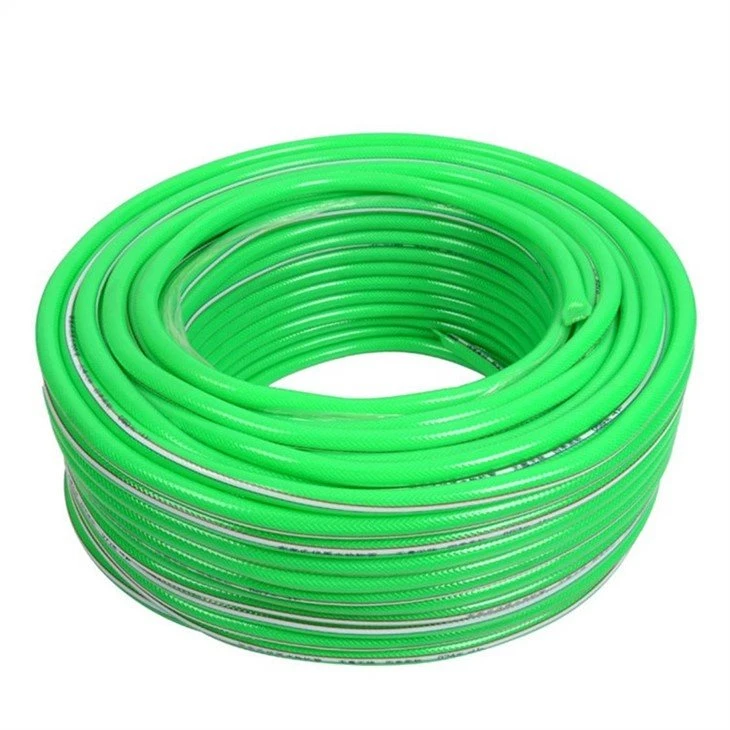
Now, let's get into the nitty-gritty of how to water your hanging plants with a PVC garden hose. The first step is to choose the right hose for the job. I recommend using a PVC Garden Pipe 100 Feet. This hose is long enough to reach all of your hanging plants, even if they're located in different areas of your garden. It's also made of high-quality PVC material, which means it's built to last.
Once you have your hose, the next step is to attach a nozzle. A nozzle is essential for watering hanging plants because it allows you to control the flow and direction of the water. I recommend using a nozzle with a misting setting, as this will help to prevent the water from splashing out of the pots and onto the ground. You can also use a nozzle with a shower setting to give your plants a more thorough watering.

Now that you have your hose and nozzle, it's time to start watering your hanging plants. The best way to do this is to start at the top of the plant and work your way down. This will help to ensure that the water reaches all of the leaves and roots of the plant. You should also water the plant slowly and evenly, making sure to saturate the soil but not overwater it.
One thing to keep in mind when watering hanging plants is that they tend to dry out more quickly than plants in the ground. This is because the soil in hanging pots is exposed to more air and sunlight, which causes it to lose moisture more rapidly. To prevent your hanging plants from drying out, you should water them more frequently than you would plants in the ground. I recommend watering your hanging plants at least once a day, or more often if the weather is hot and dry.
Another tip for watering hanging plants is to use a watering can or pitcher to water the plants in the morning or evening. This will help to prevent the water from evaporating too quickly and will give the plants time to absorb the water before the sun gets too hot. You can also use a drip irrigation system to water your hanging plants, which is a great way to save water and ensure that the plants are getting the right amount of moisture.
In addition to watering your hanging plants regularly, you should also fertilize them every few weeks to keep them healthy and thriving. You can use a liquid fertilizer or a slow-release fertilizer, depending on your preference. Just make sure to follow the instructions on the fertilizer package carefully, as over-fertilizing can damage your plants.
Now, let's talk about some of the other benefits of using a PVC garden hose for watering your hanging plants. One of the biggest benefits is that PVC hoses are easy to clean and maintain. You can simply rinse the hose with water after each use to remove any dirt or debris, and you can also use a mild soap and water solution to clean the hose if it gets really dirty.
Another benefit of using a PVC garden hose is that it's affordable. PVC hoses are much less expensive than other types of hoses, such as rubber hoses or metal hoses, which means you can save money without sacrificing quality.
Finally, using a PVC garden hose is environmentally friendly. PVC is a recyclable material, which means that you can recycle your hose when it's no longer usable. This helps to reduce the amount of waste that goes into landfills and is better for the environment.
In conclusion, watering your hanging plants with a PVC garden hose is a great way to keep them healthy and thriving. By choosing the right hose, attaching a nozzle, and watering your plants regularly and evenly, you can ensure that your hanging plants get the moisture they need to grow and flourish. So, if you're looking for a simple and effective way to water your hanging plants, I highly recommend using a PVC garden hose.
If you're interested in purchasing a PVC garden hose for your hanging plants, I'd love to talk to you. We offer a wide range of PVC garden hoses, including the PVC Garden Pipe 100 Feet, the No Torsion Multi Layer Garden Water Hose, and the 1/2 Inch Garden Hose. Our hoses are made of high-quality PVC material and are built to last. We also offer competitive prices and excellent customer service. So, if you're in the market for a PVC garden hose, please don't hesitate to contact us. We'd be happy to help you find the perfect hose for your needs.
References:
- Gardening Know How. (n.d.). Watering Hanging Baskets. Retrieved from https://www.gardeningknowhow.com/ornamental/baskets/hanging/watering-hanging-baskets.htm
- The Spruce. (n.d.). How to Water Hanging Plants. Retrieved from https://www.thespruce.com/how-to-water-hanging-plants-1402987
- HGTV. (n.d.). Watering Hanging Plants. Retrieved from https://www.hgtv.com/outdoors/flowers-and-plants/how-to-water-hanging-plants