

Can steel fittings be used in refrigeration systems? This is a question that often arises among professionals in the refrigeration industry. As a steel fitting supplier, I am well - versed in the properties and applications of steel fittings, and I'm here to provide a comprehensive analysis of their suitability for refrigeration systems.
Properties of Steel Fittings
Steel fittings are known for their strength and durability. They are made from various types of steel, each with its own unique characteristics. For instance, carbon steel is widely used due to its high strength and relatively low cost. Stainless steel, on the other hand, offers excellent corrosion resistance, which is crucial in many industrial applications.
In refrigeration systems, the fittings need to withstand a range of temperatures and pressures. Steel fittings are well - equipped to handle these conditions. They have a high melting point, which means they can maintain their structural integrity even when exposed to extreme cold or heat. Additionally, steel has good mechanical properties, such as high tensile strength and toughness, which make it resistant to deformation and cracking under pressure.
Compatibility with Refrigerants
One of the key considerations when using steel fittings in refrigeration systems is their compatibility with refrigerants. Most modern refrigerants, such as R - 134a, R - 410A, and R - 22, are generally compatible with steel. However, it's important to note that some refrigerants may react with certain types of steel over time.

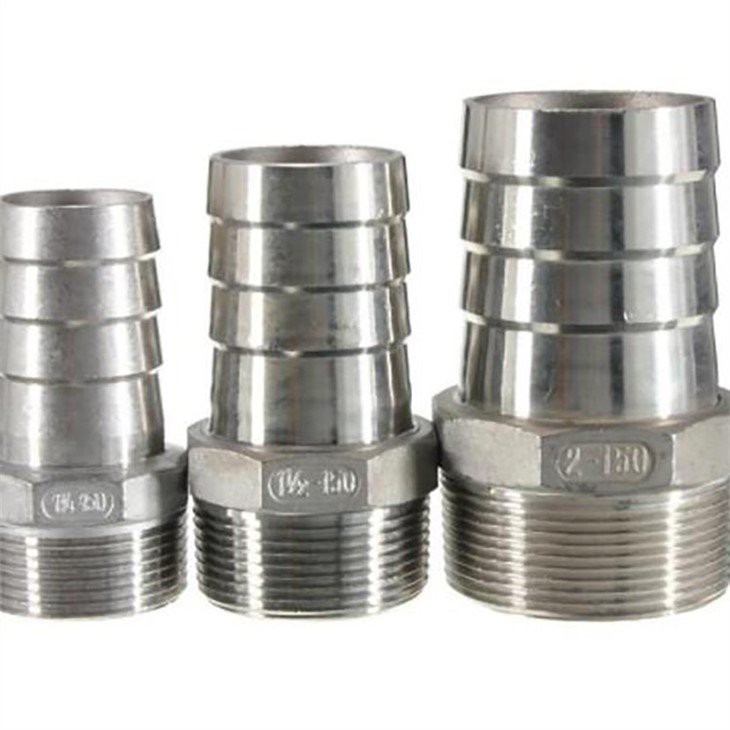
For example, some refrigerants may cause corrosion in carbon steel if the system is not properly maintained. In such cases, stainless steel fittings are a better choice as they are more resistant to corrosion. It's also essential to ensure that the fittings are properly cleaned and degreased before installation to prevent any chemical reactions between the refrigerant and the steel surface.
Advantages of Using Steel Fittings in Refrigeration Systems
- Strength and Durability: As mentioned earlier, steel fittings can withstand high pressures and temperatures, which is essential in refrigeration systems. They are less likely to fail under stress, reducing the risk of leaks and system breakdowns.
- Versatility: Steel fittings come in a wide range of shapes and sizes, making them suitable for various refrigeration system configurations. Whether you need a Steel Pipe Coupling Fitting to connect two pipes or a Cast Iron Pipe Fitting Connector for a more complex installation, there is a steel fitting available to meet your needs.
- Cost - Effectiveness: Compared to some other materials, steel fittings are relatively inexpensive. This makes them a cost - effective choice for large - scale refrigeration projects.
- Ease of Installation: Steel fittings are easy to install, which can save time and labor costs during the installation process. They can be welded, threaded, or brazed, depending on the specific requirements of the system.
Challenges and Considerations
While steel fittings offer many advantages, there are also some challenges and considerations to keep in mind.
- Corrosion: As mentioned earlier, corrosion can be a problem, especially in systems where the refrigerant or the environment is corrosive. Regular maintenance and the use of corrosion - resistant coatings can help mitigate this issue.
- Thermal Expansion: Steel has a relatively high coefficient of thermal expansion. This means that in refrigeration systems where there are significant temperature changes, the fittings may expand or contract, which could potentially lead to leaks or other issues. Proper installation techniques and the use of expansion joints can help address this problem.
- Weight: Steel fittings are heavier than some other materials, such as plastic or aluminum. This can be a consideration in applications where weight is a concern, such as in mobile refrigeration units.
Applications in Refrigeration Systems
Steel fittings are used in a variety of refrigeration system components. For example, they are commonly used in the piping systems that carry the refrigerant between the compressor, condenser, evaporator, and other components. Steel Air Line Fittings are also used in the air - handling units of refrigeration systems to ensure proper air flow and distribution.
In industrial refrigeration systems, steel fittings are often used in large - scale installations, such as cold storage warehouses and food processing plants. These systems require high - quality fittings that can withstand the demands of continuous operation and harsh environmental conditions.
Conclusion
In conclusion, steel fittings can be effectively used in refrigeration systems. Their strength, durability, and versatility make them a suitable choice for a wide range of applications. However, it's important to carefully consider the specific requirements of the refrigeration system, including the type of refrigerant, the operating conditions, and the potential for corrosion.
If you are in the market for high - quality steel fittings for your refrigeration system, I encourage you to reach out to discuss your specific needs. Our team of experts can provide you with detailed information about our products and help you select the right fittings for your project. We are committed to providing the best solutions for your refrigeration needs.
References
- ASHRAE Handbook of Refrigeration.
- Standards and guidelines from relevant industry associations.


