

Can plastic hoses be used in marine environments? This is a question that often comes up in the context of various marine applications. As a plastic hose supplier, I have encountered this query numerous times, and in this blog, I will delve into the details of using plastic hoses in marine settings.
Suitability of Plastic Hoses in Marine Environments
Plastic hoses offer several advantages when it comes to marine applications. Firstly, they are lightweight, which is a significant benefit for vessels and marine equipment. This reduces the overall weight of the system, leading to better fuel efficiency and easier handling. For example, in a small fishing boat, using plastic hoses instead of heavier metal hoses can make a noticeable difference in the boat's performance.
Another advantage is their corrosion resistance. The marine environment is highly corrosive due to the presence of saltwater and the constant exposure to harsh weather conditions. Plastic hoses, made from materials such as polyethylene (PE) and polyvinyl chloride (PVC), are not prone to rust or corrosion like metal hoses. This makes them a reliable choice for long - term use in marine applications.
However, not all plastic hoses are suitable for marine environments. Some plastics may degrade when exposed to UV radiation, which is abundant in marine areas. The UV rays can cause the plastic to become brittle over time, leading to cracks and leaks. Therefore, it is crucial to choose plastic hoses that are specifically designed and treated to resist UV damage.
Types of Plastic Hoses for Marine Use
There are several types of plastic hoses that can be used in marine environments. One common type is the Shisha Disposable Hose. While its primary use may not be strictly marine - related, it showcases the versatility of plastic hoses. These hoses are made from high - quality plastics that can withstand certain environmental conditions, and they can be adapted for some low - pressure marine applications such as small - scale water transfer on boats.
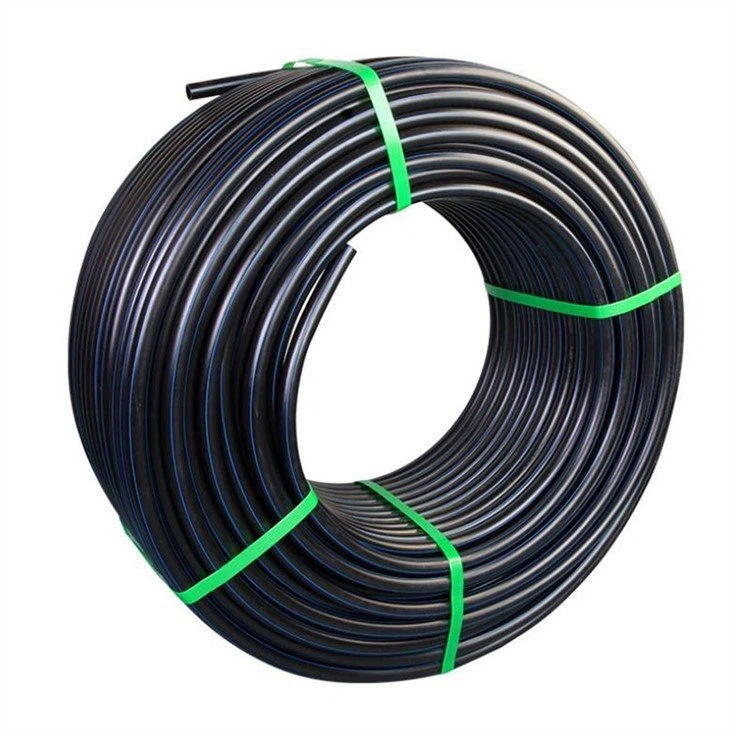
Plastic Hdpe Roll Pipe is another excellent option for marine use. HDPE (High - Density Polyethylene) is known for its strength, durability, and chemical resistance. It can be used for various marine applications, including water intake and discharge systems on ships, as well as in coastal infrastructure projects. The flexibility of HDPE roll pipes allows for easy installation in different configurations, making them suitable for complex marine setups.
Farm Agriculture Irrigation Ldpe Plastic Pipe 16 20 can also be used in marine environments, especially for applications where low - pressure water distribution is required. LDPE (Low - Density Polyethylene) is a more flexible plastic compared to HDPE, which can be an advantage in some marine scenarios where the hose needs to bend around obstacles.
Considerations for Using Plastic Hoses in Marine Environments
When using plastic hoses in marine environments, there are several factors to consider. The first is the temperature range. The marine environment can experience a wide range of temperatures, from cold winter waters to hot summer days. Plastic hoses need to be able to withstand these temperature variations without losing their physical properties. For example, some plastics may become too rigid in cold temperatures, while others may soften and lose their shape in high temperatures.

The pressure requirements are also crucial. Different marine applications have different pressure needs. For example, a high - pressure water jet system on a ship will require a hose that can handle high pressures, while a simple bilge pump system may only need a low - pressure hose. It is important to choose a plastic hose with the appropriate pressure rating for the specific application.
The chemical compatibility is another important consideration. The marine environment contains various chemicals, including salt, oil, and other pollutants. Plastic hoses need to be resistant to these chemicals to ensure long - term performance. For example, if a hose is used in an area where there is a risk of oil spills, it should be made from a plastic that is resistant to oil.
Installation and Maintenance of Plastic Hoses in Marine Environments
Proper installation is essential for the effective use of plastic hoses in marine environments. The hoses should be installed in a way that minimizes stress and tension. This may involve using proper fittings and supports to ensure that the hose is not kinked or bent at sharp angles. It is also important to follow the manufacturer's installation instructions carefully.
Regular maintenance is also crucial. This includes inspecting the hoses for signs of wear and tear, such as cracks, leaks, or bulges. Any damaged hoses should be replaced immediately to prevent further problems. Cleaning the hoses regularly can also help to extend their lifespan. For example, flushing the hoses with fresh water after use in saltwater can help to remove salt deposits and prevent corrosion.
Conclusion
In conclusion, plastic hoses can be used in marine environments, but careful consideration must be given to the type of plastic, the specific application, and the environmental conditions. As a plastic hose supplier, I am committed to providing high - quality hoses that are suitable for marine use. If you are interested in purchasing plastic hoses for your marine applications, please feel free to contact us for more information and to discuss your specific requirements. We are here to help you find the best solution for your needs.
References
- ASTM International. (Year). Standard specifications for plastic hoses in various environments.
- Marine Equipment Manufacturers Association. (Year). Guidelines for using plastic components in marine applications.
- Plastic Pipe Institute. (Year). Technical information on plastic hoses and pipes.


