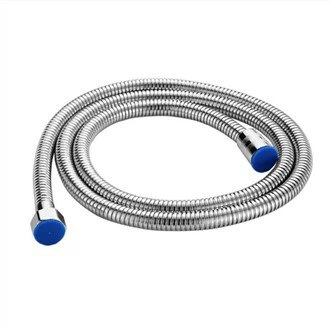
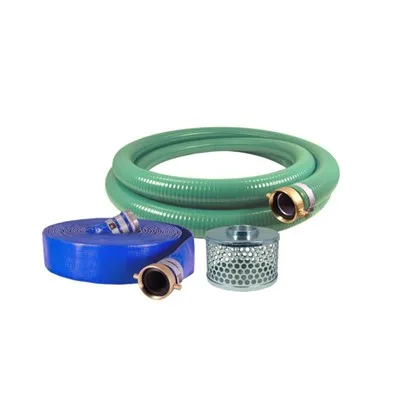
Have you ever turned on your garden hose and heard a strange whistling sound? It can be a bit annoying, but have you ever wondered what causes it? As a garden hose supplier, I've dealt with this issue quite a bit, and I'm here to break down the possible reasons for that pesky whistle.
1. Water Pressure Issues
One of the most common reasons for a whistling garden hose is improper water pressure. When the water pressure is too high, it can force its way through the hose and fittings at a rapid pace. As the water flows through small openings or constrictions in the hose, it creates turbulence. This turbulence causes the air inside the hose to vibrate, and that's what produces the whistling sound.
Think of it like blowing across the top of a soda bottle. When you blow hard, the air inside the bottle vibrates, creating a whistling noise. Similarly, high - pressure water in a garden hose can cause air vibrations that result in a whistle. On the other hand, if the water pressure is too low, it might not be flowing smoothly through the hose. This uneven flow can also lead to air pockets and vibrations that cause a whistle.
If you suspect water pressure is the culprit, you can try adjusting your home's water pressure valve. Some people also use pressure regulators for their garden hoses. These handy devices can help control the amount of water flowing into the hose, ensuring a more consistent and quiet flow.
2. Kinks in the Hose
Kinks are another major cause of whistling. When your garden hose gets kinked, it restricts the flow of water. The water has to force its way through the narrow opening created by the kink, which causes a build - up of pressure on one side and a sudden release as it passes through the kink. This rapid change in pressure can create a whistling noise.
Regularly check your hose for kinks. If you find one, simply straighten it out. To prevent kinks in the first place, make sure to store your hose properly. Coiling it neatly and using a hose reel can reduce the chances of kinking.
3. Loose or Damaged Fittings
The fittings on your garden hose, such as the connectors at the faucet and the nozzle end, can also be a source of the whistling sound. If the fittings are loose, water can leak out or create an uneven flow. Air can also enter the hose through these loose spots, causing vibrations and the familiar whistle.


Inspect all the fittings on your hose regularly. Tighten any that are loose. If you notice that a fitting is damaged, it's best to replace it. We offer a variety of high - quality fittings at our store to ensure a proper and leak - free connection. For example, our PVC 10 Foot Garden Hose comes with well - made fittings to minimize the risk of whistling.
4. Nozzle Problems
The nozzle at the end of your garden hose can also cause whistling. If the nozzle is clogged or has a damaged opening, it can disrupt the water flow. A clogged nozzle restricts the water, causing pressure to build up inside the hose. When the water finally makes its way through the small opening, it can create a whistling sound.
Clean your nozzle regularly to remove any dirt, debris, or mineral deposits. You can soak it in vinegar or a mild cleaning solution to dissolve stubborn deposits. If the nozzle is damaged, consider replacing it. We have a wide range of nozzles available that are designed to fit our hoses perfectly, like those for our Plastic Water Pipe For Garden.
5. Hose Material and Quality
The quality and material of your garden hose can also play a role. Inferior quality hoses may have thinner walls or inconsistent internal diameters. These imperfections can cause the water to flow unevenly, leading to air vibrations and whistling.
At our company, we take pride in offering high - quality hoses. Our 100 ft Durable Garden Hose is made from premium materials that ensure a smooth and quiet water flow. The walls are thick enough to withstand high pressure without deforming, and the internal diameter is consistent throughout the hose.
Time to Take Action
Now that you know what causes a garden hose to make a whistling sound, you can take steps to fix the issue. Whether it's adjusting the water pressure, straightening out kinks, tightening fittings, cleaning the nozzle, or upgrading your hose, there's a solution for every problem.
If you're in the market for a new garden hose or need to replace any parts, we're here to help. Our team of experts can assist you in choosing the right hose and accessories for your needs. We offer a wide range of products at competitive prices, and we're committed to providing excellent customer service.
If you have any questions or want to discuss your garden hose requirements, don't hesitate to reach out. We're always happy to have a chat and help you find the perfect solution for your garden watering needs. Contact us for a purchase negotiation and let's get your garden hose issues sorted out!
References
- "The Physics of Fluid Flow in Pipes", Physics Today Journal
- "Garden Hose Maintenance Guide", Home Gardening Magazine