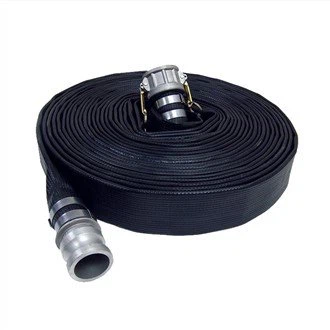
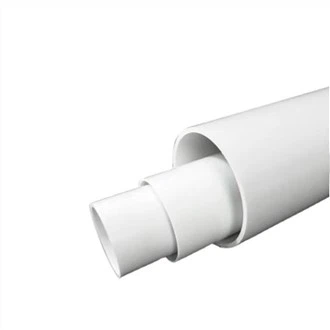
As an industrial hose supplier, I've witnessed firsthand the critical role that industrial hoses play in a wide range of industries. From manufacturing to construction, these hoses are essential for transporting fluids, gases, and other materials safely and efficiently. However, the performance of industrial hoses can be influenced by a variety of factors, and understanding these factors is crucial for ensuring optimal performance and longevity. In this blog post, I'll explore some of the key factors that can affect the performance of industrial hoses and provide insights into how you can select the right hoses for your specific applications.
Material Composition
The material composition of an industrial hose is one of the most important factors that can affect its performance. Different materials offer different levels of chemical resistance, temperature resistance, flexibility, and durability. For example, rubber hoses are known for their flexibility and resistance to abrasion, making them suitable for a wide range of applications. However, they may not be suitable for use with certain chemicals or at high temperatures.
On the other hand, thermoplastic hoses are often more resistant to chemicals and can withstand higher temperatures than rubber hoses. They are also lightweight and easy to install, making them a popular choice for many industries. However, they may be less flexible than rubber hoses and may not be suitable for applications that require frequent bending or twisting.
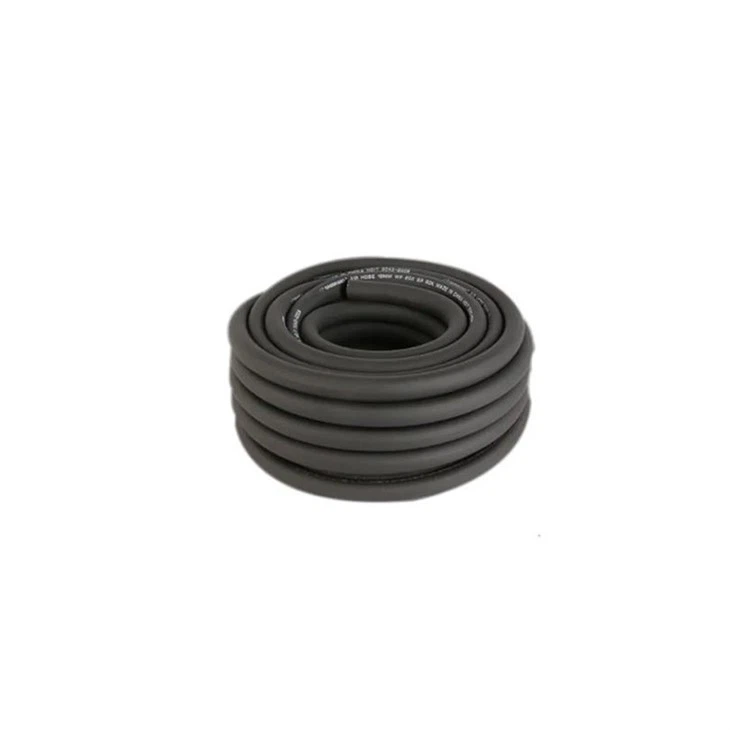
At our company, we offer a wide range of industrial hoses made from different materials, including rubber, thermoplastic, and metal. Our 4'' Black Nitrile Hose is made from high-quality nitrile rubber, which offers excellent resistance to oil, fuel, and other chemicals. It is also flexible and durable, making it suitable for a variety of applications, including automotive, industrial, and marine.

Pressure Rating
The pressure rating of an industrial hose is another important factor that can affect its performance. The pressure rating indicates the maximum pressure that the hose can safely withstand without bursting or leaking. It is important to select a hose with a pressure rating that is appropriate for your specific application.
If you use a hose with a pressure rating that is too low, it may burst or leak under pressure, which can be dangerous and costly. On the other hand, if you use a hose with a pressure rating that is too high, it may be more expensive and less flexible than necessary.
Our High Pressure Fuel Hose is designed to withstand high pressures and is suitable for use in applications that require the transfer of fuel or other fluids at high pressures. It has a high-pressure rating and is made from high-quality materials that offer excellent resistance to abrasion, chemicals, and heat.
Temperature Range
The temperature range of an industrial hose is also an important factor that can affect its performance. Different materials have different temperature ratings, and it is important to select a hose that can withstand the temperatures that it will be exposed to in your specific application.
If you use a hose with a temperature rating that is too low, it may become brittle and crack under cold temperatures, which can lead to leaks and other problems. On the other hand, if you use a hose with a temperature rating that is too high, it may melt or deform under high temperatures, which can also lead to leaks and other problems.
Our Fuel Hose Gasoline is designed to withstand a wide range of temperatures and is suitable for use in applications that require the transfer of gasoline or other fuels at different temperatures. It has a high-temperature rating and is made from high-quality materials that offer excellent resistance to abrasion, chemicals, and heat.
Bend Radius
The bend radius of an industrial hose is the minimum radius that the hose can be bent without kinking or collapsing. It is important to select a hose with a bend radius that is appropriate for your specific application.
If you use a hose with a bend radius that is too small, it may kink or collapse, which can restrict the flow of fluids or gases and reduce the performance of the hose. On the other hand, if you use a hose with a bend radius that is too large, it may be more difficult to install and may take up more space.
When selecting an industrial hose, it is important to consider the bend radius requirements of your application and choose a hose that can be bent to the required radius without kinking or collapsing.
Installation and Maintenance
Proper installation and maintenance are also important factors that can affect the performance of industrial hoses. If a hose is not installed correctly, it may leak or burst under pressure, which can be dangerous and costly. It is important to follow the manufacturer's instructions when installing an industrial hose and to use the correct fittings and clamps.
In addition, regular maintenance is essential for ensuring the optimal performance and longevity of industrial hoses. This includes inspecting the hoses for signs of wear and tear, such as cracks, abrasions, and leaks, and replacing them as needed. It is also important to clean the hoses regularly to prevent the buildup of dirt, debris, and other contaminants.
Compatibility with Fluids and Gases
The compatibility of an industrial hose with the fluids or gases that it will be transporting is another important factor that can affect its performance. Different materials have different levels of chemical resistance, and it is important to select a hose that is compatible with the specific fluids or gases that it will be used with.
If a hose is not compatible with the fluids or gases that it is transporting, it may degrade or break down over time, which can lead to leaks and other problems. It is important to consult the manufacturer's compatibility chart or seek the advice of a professional when selecting an industrial hose for a specific application.
Environmental Conditions
The environmental conditions in which an industrial hose will be used can also affect its performance. Factors such as exposure to sunlight, ozone, moisture, and extreme temperatures can all have an impact on the durability and performance of the hose.
For example, hoses that are exposed to sunlight and ozone for extended periods of time may become brittle and crack, which can lead to leaks and other problems. It is important to select a hose that is designed to withstand the environmental conditions that it will be exposed to in your specific application.
Conclusion
In conclusion, the performance of industrial hoses can be influenced by a variety of factors, including material composition, pressure rating, temperature range, bend radius, installation and maintenance, compatibility with fluids and gases, and environmental conditions. As an industrial hose supplier, we understand the importance of selecting the right hoses for your specific applications and providing you with the information and support that you need to ensure their optimal performance and longevity.
If you have any questions or need help selecting the right industrial hoses for your application, please don't hesitate to contact us. We are here to help you find the best solutions for your needs and to ensure that you get the most out of your industrial hoses. Let's start a conversation and explore how we can work together to meet your industrial hose requirements.
References
- "Industrial Hoses: A Comprehensive Guide." Industrial Hose Manufacturer's Association.
- "Selection and Use of Industrial Hoses." American Society of Mechanical Engineers.
- "Hose Fitting Handbook." Parker Hannifin Corporation.