Do brass fittings corrode easily? That's a question I get asked a lot as a brass fittings supplier. I've been in this business for quite some time, and I've seen firsthand how different conditions can affect brass fittings. So, let's dive right in and explore this topic.
First off, what is brass? Brass is an alloy made primarily of copper and zinc. The ratio of these two metals can vary, which affects the properties of the brass. Different types of brass have different characteristics, like strength, malleability, and corrosion resistance.
Brass is known for its relatively good corrosion resistance compared to some other metals. The copper in brass forms a protective layer when it reacts with oxygen in the air. This layer, called a patina, can help shield the underlying metal from further corrosion. But that doesn't mean brass is completely immune to corrosion.
There are several factors that can cause brass fittings to corrode. One of the biggest factors is the environment they're in. If brass fittings are exposed to a lot of moisture, they're more likely to corrode. For example, in a humid coastal area, where the air is full of salt and water vapor, brass fittings can start to show signs of corrosion faster. Saltwater is especially harsh on brass. The chloride ions in saltwater can break down the protective patina on the brass, leaving it vulnerable to corrosion.
Another factor is the presence of certain chemicals. If brass fittings come into contact with acidic or alkaline substances, it can cause corrosion. For instance, if you use brass fittings in a plumbing system where the water has a high acid content, the brass can corrode over time. Industrial environments with chemicals like ammonia or sulfur compounds can also be tough on brass.
The type of brass also matters. Some types of brass are more resistant to corrosion than others. For example, naval brass, which has a higher zinc content and a small amount of tin, is more resistant to corrosion in marine environments. On the other hand, some cheaper grades of brass may corrode more easily because they have a lower quality composition.
Now, let's talk about how to tell if your brass fittings are corroding. One of the first signs is a change in color. Instead of the shiny golden color of new brass, corroded brass may turn green, brown, or black. You might also notice pits or rough spots on the surface of the fitting. If you see any of these signs, it's a good idea to check the fitting more closely to see if the corrosion has affected its functionality.
So, what can you do to prevent brass fittings from corroding? One of the simplest things is to keep them dry. If you're using brass fittings outdoors, make sure they're protected from the elements. You can also use coatings or paints to provide an extra layer of protection. There are special anti - corrosion coatings available that can be applied to brass fittings.
Proper maintenance is also key. Regularly cleaning your brass fittings can help remove any dirt or debris that could trap moisture and cause corrosion. You can use a mild soap and water solution to clean them, and then dry them thoroughly.
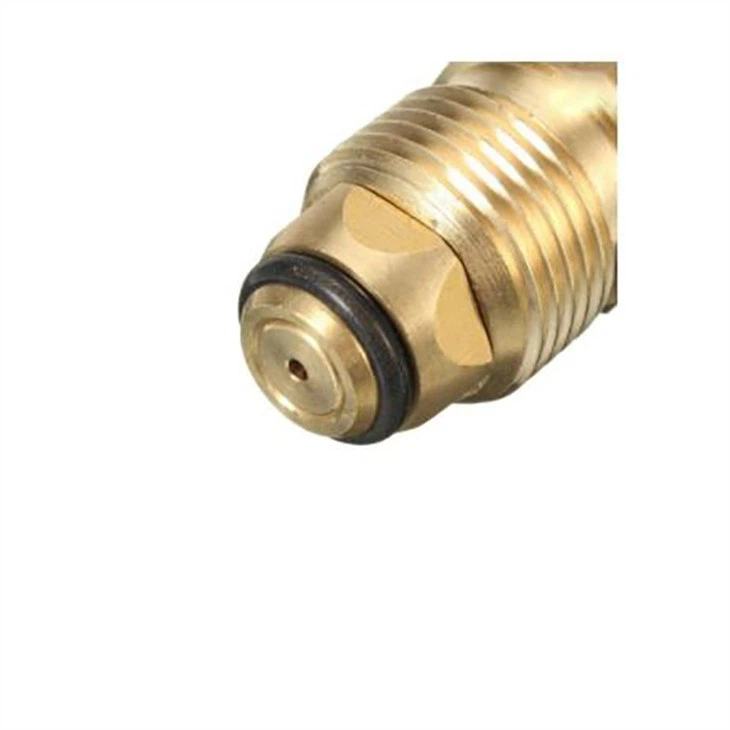
In my experience as a supplier, I've seen many customers use brass fittings in a variety of applications. For example, Brass Fuel Line Fittings Connector are often used in automotive and industrial fuel systems. These fittings need to be corrosion - resistant because they're in contact with fuel, which can contain various additives and contaminants. Brass Push On Fittings are popular in plumbing and pneumatic systems. They need to hold up well over time to prevent leaks. And Oxygen Fittings Valve Connector And Hose are used in medical and industrial oxygen systems, where corrosion could be a serious safety hazard.
In conclusion, brass fittings don't corrode easily under normal conditions, but they can be affected by the environment and the presence of certain chemicals. By choosing the right type of brass, protecting them from harsh conditions, and performing regular maintenance, you can extend the lifespan of your brass fittings.
If you're in the market for high - quality brass fittings, I'd love to have a chat with you. Whether you're working on a small DIY project or a large industrial installation, I can help you find the right fittings for your needs. Don't hesitate to reach out and start a conversation about your brass fitting requirements.

References
- "The Handbook of Brass Alloys"
- "Corrosion of Metals in Different Environments" research papers