A leaky PVC garden hose can be a real nuisance, but the good news is that it doesn't have to spell the end for your trusty watering companion. As a supplier of high - quality PVC garden hoses, I've seen my fair share of leaky hoses and have learned the most effective ways to repair them. In this blog, I'll guide you through the step - by - step process of fixing a leaky PVC garden hose, ensuring that you can get back to watering your plants in no time.
Identifying the Leak
The first step in repairing a leaky PVC garden hose is to find the source of the leak. This might seem like a daunting task, especially if the hose is long, but with a systematic approach, it can be quite straightforward.
- Visual Inspection: Start by unrolling the hose completely and laying it out on a flat surface. Walk along the length of the hose, looking for any obvious signs of damage such as cuts, holes, or splits. Sometimes, the leak might be so small that it's hard to see, but you can often spot wet patches on the hose or the ground beneath it.
- Pressure Test: If you can't find the leak visually, you can perform a pressure test. Connect one end of the hose to a water source and turn on the water. Let the water run through the hose for a few minutes, and then check the entire length of the hose for any signs of water spraying or dripping. You may need to run your hand along the hose to feel for any leaks.
Gathering the Necessary Tools and Materials
Once you've identified the leak, it's time to gather the tools and materials you'll need for the repair. Here's a list of what you'll typically need:
- Hose Repair Kit: These kits usually come with everything you need to repair a leak, including patches, clamps, and connectors. You can find them at most hardware stores or online.
- Utility Knife: A sharp utility knife will be useful for cutting away any damaged sections of the hose.
- Sandpaper: Sanding the area around the leak will help the patch adhere better.
- Measuring Tape: You'll need this to measure the length of the damaged section and ensure that the patch or connector fits properly.
Repairing the Leak
There are several methods you can use to repair a leaky PVC garden hose, depending on the size and location of the leak.
Patch Method
- Prepare the Area: Use the sandpaper to gently sand the area around the leak. This will rough up the surface and help the patch adhere better. Wipe the area clean with a dry cloth to remove any dust or debris.
- Apply the Patch: If you're using a self - adhesive patch, simply peel off the backing and apply it to the leak, making sure to press it down firmly to ensure a good seal. If you're using a patch that requires glue, apply a thin layer of glue to the patch and the area around the leak, and then press the patch into place. Hold it in place for a few minutes to allow the glue to dry.
Connector Method
- Cut Out the Damaged Section: Use the utility knife to cut out the damaged section of the hose. Make sure to cut straight across and remove any frayed edges.
- Insert the Connector: If you're using a hose repair connector, insert it into one end of the hose and slide it into place. Then, insert the other end of the hose onto the connector. Make sure the connector is securely in place and that there are no gaps between the hose and the connector.
- Secure the Connector: Use hose clamps to secure the connector to the hose. Tighten the clamps using a screwdriver, making sure not to overtighten them, as this could damage the hose.
Preventing Future Leaks
Once you've repaired the leak, it's important to take steps to prevent future leaks from occurring. Here are some tips:
- Proper Storage: When not in use, store your garden hose in a cool, dry place. Avoid leaving it in direct sunlight for extended periods of time, as this can cause the PVC to degrade and become more prone to leaks.
- Regular Inspections: Periodically inspect your garden hose for signs of damage. Look for cuts, holes, or splits, and repair them as soon as possible to prevent them from getting worse.
- Use the Right Fittings: Make sure you're using the right fittings for your garden hose. Using the wrong fittings can cause the hose to leak or become damaged.
Our PVC Garden Hose Products
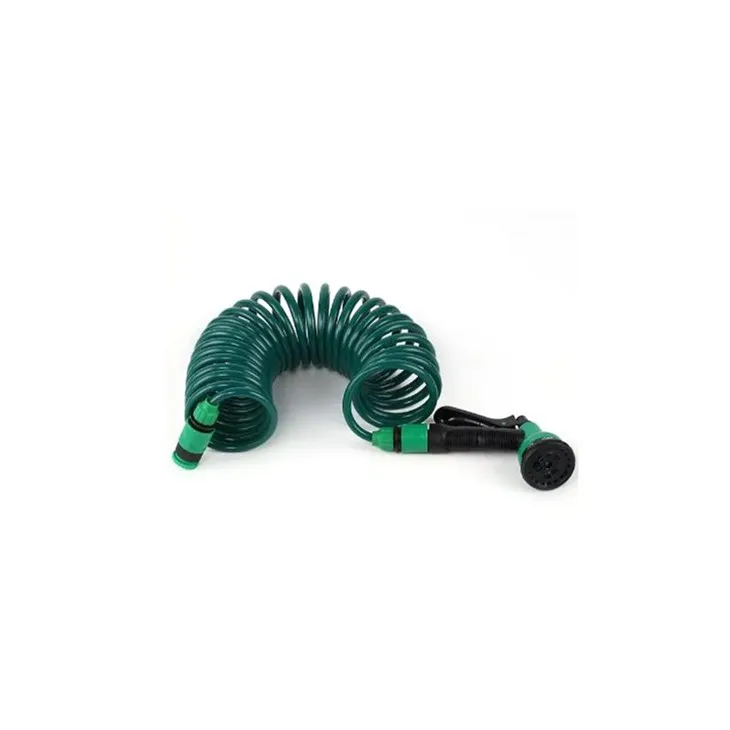
As a PVC garden hose supplier, we offer a wide range of high - quality garden hoses to meet your needs. Our Garden Hose To Pvc products are designed to be durable and long - lasting, with features such as reinforced construction and UV - resistant materials. We also offer 1/2 Inch Garden Hose options, which are perfect for smaller gardens or for use with low - pressure water sources. And if you're looking for a more flexible option, our Spring Garden Hose is a great choice.
Contact Us for Purchasing
If you're interested in purchasing our PVC garden hoses or have any questions about our products, we'd love to hear from you. Whether you're a homeowner looking for a reliable garden hose or a business in need of bulk supplies, we can provide you with the products and support you need. Reach out to us to start a discussion about your requirements and explore how our PVC garden hoses can meet your needs.

References
- "Home Improvement for Dummies" by Roy Barnhart
- "The Complete Guide to Gardening Tools" by John Smith