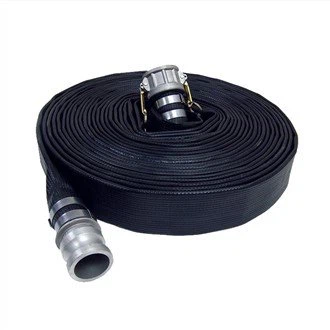
As a dedicated LPG hose supplier, I understand the paramount importance of ensuring the longevity and safety of LPG hoses. Liquefied Petroleum Gas (LPG) hoses are crucial components in various applications, from industrial settings to residential use. Protecting these hoses from physical damage is not only essential for their proper functioning but also for the safety of users. In this blog post, I will share some valuable insights on how to safeguard LPG hoses from physical harm.
Understanding the Vulnerabilities of LPG Hoses
Before delving into protective measures, it's vital to understand the common sources of physical damage to LPG hoses. These hoses are often exposed to a variety of environmental factors and potential hazards. Abrasion is one of the most prevalent issues. When hoses rub against rough surfaces, such as concrete floors, sharp edges of machinery, or metal fixtures, the outer layer of the hose can wear down over time. This abrasion can lead to weakening of the hose structure and eventually cause leaks.
Another significant threat is impact damage. Dropping heavy objects on the hose or subjecting it to sudden, forceful blows can cause internal damage that may not be immediately visible. This internal damage can compromise the integrity of the hose and increase the risk of gas leakage.
Extreme temperatures can also have a detrimental effect on LPG hoses. High temperatures can cause the rubber or other materials in the hose to expand and become more susceptible to damage, while low temperatures can make the hose brittle and prone to cracking.
Selecting the Right Hose for the Application
One of the first steps in protecting an LPG hose from physical damage is choosing the appropriate hose for the specific application. Different applications have different requirements, and selecting a hose that is not suitable can increase the risk of damage.
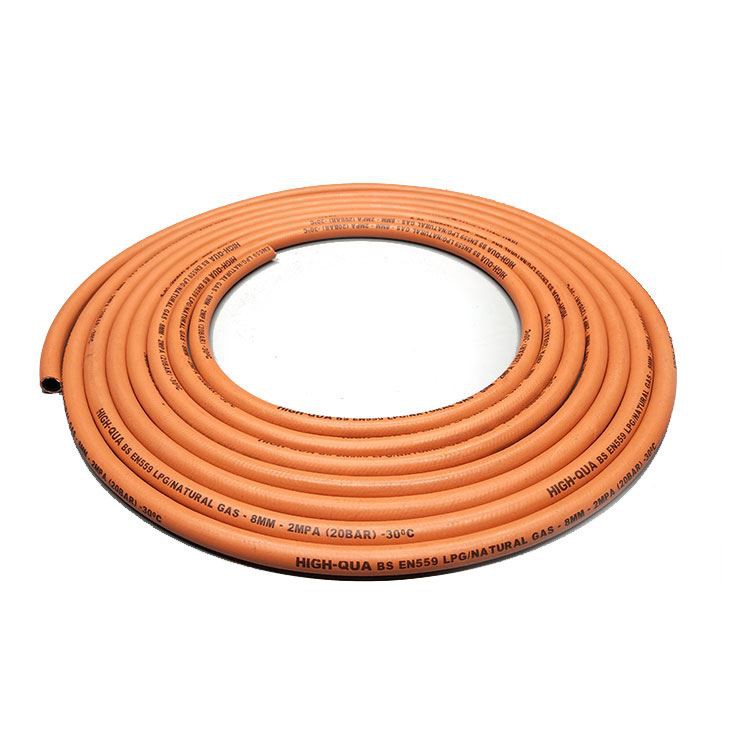
For applications where high pressure is involved, a High Pressure Lpg Gas Hose is essential. These hoses are designed to withstand the increased pressure without bursting or leaking. They are typically made from high-quality materials that are more resistant to damage and have reinforced layers to provide additional strength.
In applications where flexibility is crucial, a Rubber LPG Hose may be the best choice. Rubber hoses are known for their flexibility, which allows them to bend and move without causing damage. They are also resistant to many chemicals and environmental factors, making them suitable for a wide range of applications.
If the hose will be connected to an LPG propane tank, a LPG Propane Tank Hose is specifically designed for this purpose. These hoses are engineered to ensure a secure connection between the tank and the appliance, reducing the risk of leaks and damage.
Proper Installation
Proper installation of the LPG hose is crucial for its protection. Incorrect installation can put unnecessary stress on the hose, leading to premature wear and damage.
When installing the hose, it's important to ensure that it is not kinked or bent at sharp angles. Kinks can restrict the flow of gas and cause internal damage to the hose. The hose should be routed in a way that avoids contact with sharp edges, rough surfaces, or moving parts.
All connections should be tightened securely, but not over-tightened. Over-tightening can damage the fittings and the hose, while loose connections can lead to gas leakage. It's also a good idea to use appropriate gaskets and seals to ensure a tight and secure connection.
Routine Inspection
Regular inspection of the LPG hose is an essential part of protecting it from physical damage. Inspections should be carried out at regular intervals, depending on the frequency of use and the environment in which the hose is located.
During an inspection, check the outer surface of the hose for signs of abrasion, cuts, cracks, or bulges. These are all indicators of potential damage that needs to be addressed. Also, inspect the fittings and connections for any signs of looseness, corrosion, or damage.

If any damage is detected during the inspection, the hose should be replaced immediately. Continuing to use a damaged hose can pose a serious safety risk.
Protective Covers and Supports
Using protective covers and supports can significantly reduce the risk of physical damage to LPG hoses. Protective covers can shield the hose from abrasion, impact, and environmental factors. There are various types of protective covers available, including fabric covers, plastic sleeves, and metal guards.
Fabric covers are lightweight and flexible, making them suitable for hoses that need to bend and move. Plastic sleeves provide a more rigid and durable protection, while metal guards offer the highest level of protection against impact and abrasion.
Supports can also help to protect the hose by preventing it from sagging or coming into contact with sharp edges or rough surfaces. Hose clamps, brackets, and hangers can be used to support the hose and keep it in place.
Training and Education
Proper training and education of the users are essential for protecting LPG hoses from physical damage. Users should be aware of the potential hazards associated with LPG hoses and how to handle them safely.
Training should include information on the proper installation, inspection, and maintenance of the hoses. Users should also be taught how to recognize the signs of damage and what to do if damage is detected.
By providing users with the necessary knowledge and skills, they can take an active role in protecting the LPG hoses and ensuring their safe and proper use.
Conclusion
Protecting an LPG hose from physical damage is crucial for its longevity and the safety of users. By selecting the right hose for the application, installing it correctly, conducting routine inspections, using protective covers and supports, and providing proper training and education, the risk of physical damage can be significantly reduced.
As an LPG hose supplier, I am committed to providing high-quality hoses and offering valuable advice on their protection and maintenance. If you have any questions or need assistance in selecting the right LPG hose for your application, please feel free to contact us. We are here to help you ensure the safety and reliability of your LPG systems.
References
- "LPG Hose Safety Guidelines," Industry Standards Publication
- "Best Practices for LPG Hose Installation and Maintenance," Professional Journal of Gas Appliance Technology