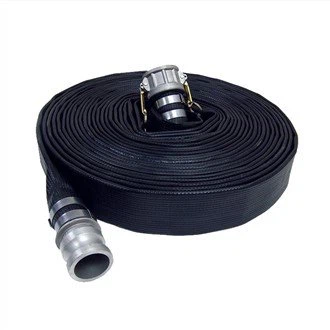
As a supplier of PVC garden hoses, I've received numerous inquiries from customers about preventing insects from getting into their hoses. Insects can cause blockages, damage the hose internally, and even pose a risk to the plants in your garden. In this blog post, I'll share some effective strategies to keep those pesky bugs out of your PVC garden hose.
Understanding Why Insects Are Attracted to Garden Hoses
Before we delve into prevention methods, it's essential to understand why insects are drawn to PVC garden hoses in the first place. PVC hoses often retain moisture, creating a damp environment that many insects find appealing. Additionally, the dark, enclosed space inside the hose can serve as a perfect hiding place or nesting site for bugs. Some insects may also be attracted to the hose if there are remnants of water with organic matter, such as algae or small plant particles, which can act as a food source.
Regular Inspection and Maintenance
One of the simplest yet most effective ways to prevent insects from entering your PVC garden hose is through regular inspection and maintenance. Check your hose for any signs of damage, such as cracks or holes, which can provide easy entry points for insects. If you notice any damage, repair or replace the hose immediately.


After each use, drain the hose completely to remove any standing water. Standing water can attract insects and promote the growth of mold and mildew, which can further damage the hose. Coil the hose neatly and store it in a dry, elevated place, away from the ground. This reduces the chances of insects crawling into the hose from the soil.
Use Hose Caps
Hose caps are a simple and inexpensive solution to prevent insects from getting into your PVC garden hose. These caps fit snugly over the ends of the hose, creating a barrier that keeps bugs out. Make sure to use caps that are specifically designed for your hose size to ensure a proper fit.
When not in use, always cap both ends of the hose. This not only prevents insects from entering but also helps to keep dirt and debris out, which can also cause blockages. If you have a hose with multiple attachments, such as a spray nozzle or a sprinkler, remove them when the hose is not in use and cap the hose ends.
Keep the Surrounding Area Clean
The area around your garden hose can also attract insects. Keep the area clean and free of debris, such as leaves, grass clippings, and fallen fruit. These organic materials can provide a food source and a hiding place for insects. Regularly sweep or rake the area around the hose to remove any debris.
Trim any overgrown vegetation near the hose. Tall grass, weeds, and bushes can provide a pathway for insects to reach the hose. By keeping the vegetation trimmed, you reduce the chances of insects crawling onto the hose.
Use Natural Repellents
There are several natural repellents that you can use to keep insects away from your PVC garden hose. Citrus peels, such as lemon or orange peels, are known to repel many insects. Place a few citrus peels near the ends of the hose or inside the hose caps. The strong scent of the citrus can deter insects from approaching the hose.
Essential oils, such as peppermint, eucalyptus, and tea tree oil, are also effective natural repellents. Mix a few drops of these oils with water in a spray bottle and spray the solution around the hose and on the hose caps. The strong aroma of the essential oils can keep insects at bay.
Consider Hose Design
When choosing a PVC garden hose, consider the design features that can help prevent insects from entering. Some hoses are designed with smooth interiors, which make it more difficult for insects to grip and crawl inside. Others may have special coatings or materials that are less attractive to insects.
For example, our No Torsion Multi Layer Garden Water Hose is designed with a multi-layer construction that not only provides durability but also has a smooth interior surface. This makes it less likely for insects to find a foothold and enter the hose.
Comparison with Rubber Hoses
You may be wondering how PVC garden hoses compare to rubber hoses in terms of insect prevention. While both types of hoses can attract insects, PVC hoses have some advantages. PVC hoses are generally more resistant to damage from insects, as they are less likely to be chewed through compared to rubber hoses.
To learn more about the differences between PVC and rubber hoses, check out our article on Pvc Garden Hose Vs Rubber.
Specific Hose Sizes
If you're looking for a specific size of PVC garden hose, our PVC Garden Hose 1/2" is a popular choice. This size is suitable for a variety of gardening tasks and can be easily maintained to prevent insect infestations.
Conclusion
Preventing insects from getting into your PVC garden hose is essential for maintaining its functionality and longevity. By following these simple tips, such as regular inspection and maintenance, using hose caps, keeping the surrounding area clean, using natural repellents, and considering hose design, you can keep your hose insect-free.
As a PVC garden hose supplier, we are committed to providing high-quality products and helpful advice to our customers. If you have any questions or need further assistance in choosing the right hose or preventing insect infestations, please don't hesitate to contact us. We're here to help you make the most of your gardening experience.
References
- "Gardening Hoses: A Comprehensive Guide" - Gardening Magazine
- "Insect Prevention in Outdoor Equipment" - Pest Control Journal