Hey there! I'm a supplier of PVC pipes, and today I'm gonna share with you how to install PVC pipes in a wet environment. It's not as tricky as it might seem, but there are definitely some things you need to keep in mind.
First off, let's talk about why you might need to install PVC pipes in a wet environment. Maybe you're working on a project near a water source, like a pond or a river. Or perhaps there's a high water table in the area where you're doing the installation. Whatever the reason, it's important to take extra precautions to ensure a successful installation.
Choosing the Right PVC Pipes
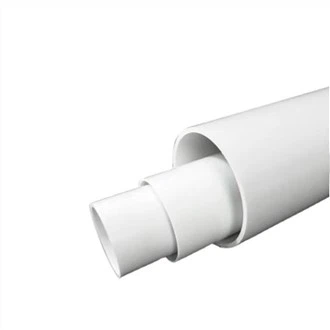
The first step in any PVC pipe installation is choosing the right pipes for the job. When you're working in a wet environment, you want to make sure you're using pipes that are designed to withstand moisture. Our Pvc Pipe For Water is a great option. It's made from high-quality PVC material that's resistant to corrosion and can handle being exposed to water for long periods of time.
If you're working on an agricultural project, our Pvc Pipe Agricultural Pipes are a perfect choice. They're strong, durable, and can withstand the rigors of outdoor use. And if you need a larger diameter pipe, our 32 Inch Diameter Pvc Pipe is available to meet your needs.
Preparing the Work Area
Before you start installing the PVC pipes, it's important to prepare the work area. This means clearing away any debris, rocks, or other obstacles that could interfere with the installation. You also want to make sure the ground is level and stable. If the ground is uneven, the pipes could shift or settle over time, which could lead to leaks or other problems.
If the area is particularly wet, you might need to take additional steps to dry it out. This could involve using a pump to remove standing water or laying down a layer of gravel to help absorb moisture. Once the area is dry and stable, you're ready to start installing the pipes.
Cutting the PVC Pipes
Cutting PVC pipes is a relatively simple process, but it's important to do it correctly. You'll need a good quality PVC pipe cutter or a hacksaw. Make sure the blade is sharp to ensure a clean cut.
Measure the length of pipe you need and mark it with a pencil or a marker. Then, place the pipe in the cutter or use the hacksaw to make the cut. Apply even pressure and make sure the cut is straight. After you've made the cut, use a file or sandpaper to smooth the edges of the pipe to prevent any sharp edges from damaging the pipe or the fittings.
Joining the PVC Pipes
Joining PVC pipes in a wet environment requires a bit more care than in a dry environment. You'll need to use a special PVC cement that's designed for wet conditions. Make sure the pipes and fittings are clean and dry before you apply the cement. You can use a clean cloth to wipe away any moisture or debris.
Apply a thin layer of cement to the outside of the pipe and the inside of the fitting. Then, quickly insert the pipe into the fitting and twist it a quarter turn to ensure a good seal. Hold the pipe in place for a few seconds to allow the cement to set. Repeat this process for each joint in the system.
Securing the PVC Pipes
Once the pipes are joined, you'll need to secure them in place. This can be done using pipe straps or hangers. Make sure the straps or hangers are made from a material that's resistant to corrosion, such as stainless steel or plastic.
Space the straps or hangers evenly along the length of the pipe to prevent it from sagging or shifting. You might also want to consider using a support bracket at each joint to provide additional stability.
Testing the System
After the pipes are installed and secured, it's important to test the system to make sure there are no leaks. Turn on the water supply and check all the joints and connections for any signs of leakage. If you find a leak, turn off the water supply immediately and repair the leak. You might need to apply more cement or replace a fitting.
Once you're satisfied that there are no leaks, let the system run for a few hours to make sure everything is working properly. Monitor the system closely during this time to make sure there are no issues.
Maintenance
Proper maintenance is essential to keep your PVC pipe system working smoothly in a wet environment. Regularly inspect the pipes and fittings for any signs of damage or wear. If you notice any cracks, leaks, or other problems, repair or replace the affected parts as soon as possible.
You should also clean the pipes periodically to remove any dirt, debris, or algae that might accumulate on the inside or outside of the pipes. This can be done using a mild detergent and a soft brush.


Conclusion
Installing PVC pipes in a wet environment can be a bit challenging, but with the right tools, materials, and techniques, it's definitely doable. By choosing the right pipes, preparing the work area, cutting and joining the pipes correctly, securing them in place, testing the system, and performing regular maintenance, you can ensure a successful installation that will last for years to come.
If you're interested in purchasing PVC pipes for your project, whether it's for water supply, agricultural use, or any other application, feel free to reach out to us. We're here to help you find the right products and provide you with the support and advice you need to make your installation a success.
References
- PVC Pipe Installation Guide, Industry Standards Publication
- Best Practices for Working with PVC in Moist Environments, Professional Plumber's Handbook