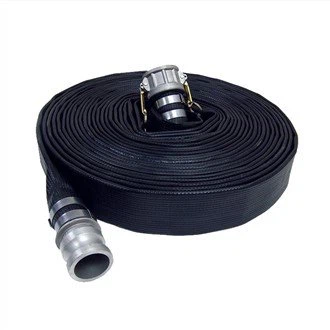
As an LPG hose supplier, I've witnessed firsthand the critical role that these hoses play in various industries. One of the key factors that determine the performance and longevity of an LPG hose is its ozone resistance properties. In this blog, I'll delve into what ozone resistance means for LPG hoses, why it's important, and how our products stack up in this regard.
What is Ozone and How Does it Affect LPG Hoses?
Ozone is a highly reactive gas composed of three oxygen atoms (O₃). It is naturally present in the Earth's atmosphere, particularly in the stratosphere where it forms the ozone layer that protects us from harmful ultraviolet (UV) radiation. However, at ground - level, ozone can be a pollutant, formed through chemical reactions between nitrogen oxides (NOₓ) and volatile organic compounds (VOCs) in the presence of sunlight.
When LPG hoses are exposed to ozone, the gas can cause significant damage to the hose materials. Ozone attacks the double bonds in the polymers that make up the hose's outer layer, which are commonly made of rubber or synthetic elastomers. This chemical reaction leads to the formation of cracks on the surface of the hose. These cracks start small but can grow over time, eventually compromising the integrity of the hose. Once the cracks penetrate the outer layer, they can reach the inner layers of the hose, which may contain the LPG. This can lead to leaks, which are not only a waste of valuable resources but also pose a serious safety hazard, as LPG is highly flammable.


Why is Ozone Resistance Important for LPG Hoses?
Safety
Safety is the primary concern when it comes to LPG hoses. A hose with poor ozone resistance can develop cracks and leaks, which can result in the release of LPG into the environment. LPG is a combustible gas, and even a small leak can create a potentially explosive atmosphere. In industrial settings, where LPG is used for heating, power generation, or as a fuel for vehicles, a leak can lead to fires or explosions, endangering the lives of workers and the public. By using ozone - resistant LPG hoses, we can significantly reduce the risk of such safety incidents.
Durability
Ozone - resistant hoses have a longer lifespan compared to those with poor ozone resistance. Cracks caused by ozone exposure can accelerate the degradation of the hose, leading to premature failure. A durable hose means less frequent replacements, which can save costs in the long run. For businesses that rely on LPG hoses for their operations, such as gas stations, restaurants, and manufacturing plants, reducing downtime due to hose replacements is crucial for maintaining productivity.
Regulatory Compliance
Many industries are subject to strict regulations regarding the use of LPG hoses. These regulations often specify the minimum requirements for ozone resistance. By providing ozone - resistant hoses, we ensure that our customers can comply with these regulations, avoiding potential fines and legal issues.
Our Ozone - Resistant LPG Hoses
At our company, we understand the importance of ozone resistance in LPG hoses. That's why we've invested heavily in research and development to create hoses that offer superior ozone resistance.
Our Lpg/propane Gas Hose is designed with a special outer layer that is formulated to withstand ozone exposure. The outer layer is made of a high - quality synthetic elastomer that has been engineered to resist the chemical attack of ozone. This means that even in environments with high ozone concentrations, such as urban areas with heavy traffic or industrial zones, our hoses will maintain their integrity for a longer period.
In addition to the Lpg/propane Gas Hose, our Oxygene Cylinder Hose also features excellent ozone resistance. This hose is commonly used in applications where oxygen cylinders are connected to equipment, and ozone resistance is essential to ensure the safety and reliability of the connection.
Our Lpg Hose Pipe is another product that offers outstanding ozone resistance. The pipe is constructed with multiple layers, and the outer layer is specifically designed to protect the inner layers from ozone damage. This multi - layer design not only provides ozone resistance but also enhances the overall strength and flexibility of the hose.
Testing and Certification
We take the quality of our ozone - resistant LPG hoses very seriously. All of our hoses undergo rigorous testing to ensure that they meet or exceed industry standards for ozone resistance. We use a variety of testing methods, including laboratory tests where the hoses are exposed to controlled ozone environments for extended periods. These tests simulate real - world conditions and allow us to accurately measure the ozone resistance of our hoses.
In addition to our in - house testing, our hoses are also certified by independent testing laboratories. These certifications provide our customers with the assurance that our hoses meet the highest quality and safety standards.
How to Choose the Right Ozone - Resistant LPG Hose
When choosing an ozone - resistant LPG hose, there are several factors to consider.
Ozone Concentration in the Environment
The first step is to assess the ozone concentration in the environment where the hose will be used. In areas with high ozone levels, such as near industrial facilities or in urban centers, a hose with a higher level of ozone resistance is required. Our technical team can help you determine the appropriate ozone resistance level based on your specific environment.
Hose Application
Different applications may require different types of hoses. For example, a hose used in a stationary application, such as connecting a gas tank to a heater, may have different requirements compared to a hose used in a mobile application, such as on a forklift. Consider factors such as flexibility, pressure rating, and temperature range when choosing an ozone - resistant LPG hose.
Hose Size
The size of the hose is also an important consideration. The diameter and length of the hose will affect the flow rate of the LPG and the pressure drop along the hose. Make sure to choose a hose size that is appropriate for your specific application.
Contact Us for Your LPG Hose Needs
If you're in the market for high - quality ozone - resistant LPG hoses, look no further. Our team of experts is ready to assist you in choosing the right hose for your application. Whether you need a Lpg/propane Gas Hose, an Oxygene Cylinder Hose, or an Lpg Hose Pipe, we have the products and knowledge to meet your needs.
Contact us today to start a conversation about your LPG hose requirements. We're committed to providing you with the best products and services to ensure the safety and efficiency of your operations.
References
- "Handbook of Elastomers" by B. D. Cullity. This book provides in - depth information on the properties of elastomers, including their resistance to ozone.
- ASTM International standards for rubber and elastomer products. These standards define the testing methods and requirements for ozone resistance in hoses and other rubber products.
- Industry reports on LPG safety and hose performance, which provide real - world data on the importance of ozone resistance in LPG hoses.