Installing HDPE pipes in a vertical direction might seem a bit daunting at first, but it's totally doable with the right know - how. As an HDPE pipes supplier, I've seen it all and I'm here to share some valuable tips on getting this job done right.
Pre - installation Preparation
First thing's first, you gotta plan everything out. Measure the area where you're going to install the vertical HDPE pipes. Make sure you know exactly how long the pipes need to be. You don't want to end up with pipes that are too short or way too long.
Next, get all the tools you need. You'll typically need a pipe cutter, welding equipment (if you're joining multiple pipe sections), safety gear like gloves and goggles, and a lifting device if you're dealing with large and heavy pipes.
It's also crucial to inspect the pipes before you start the installation. Look for any cracks, scratches, or other damages. Any flaws in the pipes can lead to leaks later on, and that's the last thing you want.
Selecting the Right Pipes
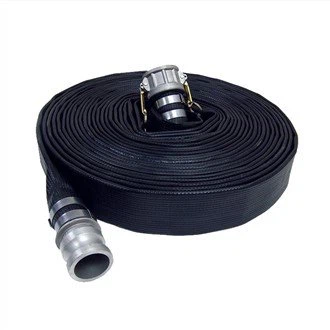
When it comes to vertical installations, not all HDPE pipes are created equal. You need to choose pipes that can handle the pressure and weight of the fluid or material they'll be carrying. Our 32mm Polyethylene Ldpe Hose is a great option for smaller - scale vertical applications. It's flexible and can be easily maneuvered into place.
For larger projects, like providing a water supply in a tall building, our Large Diameter Hdpe Water Pipe is a solid choice. These pipes are built to withstand high pressures and large volumes of water.
If you're dealing with drainage systems in a vertical setup, the HDPE 6 Inch Corrugated Drainage Pipe is perfect. The corrugated design adds extra strength and flexibility, which is great for redirecting water or other waste substances.
Pipe Support Systems
In a vertical installation, proper support is key. You don't want the pipes to sag or break under their own weight or the pressure of the contents. You can use pipe clamps or brackets to secure the pipes to the wall or other structures at regular intervals.
For smaller pipes, simple plastic or metal clamps can do the trick. But for larger and heavier pipes, you might need more robust support systems. Make sure the support is strong enough to hold the pipe in place, especially if there are any vibrations or movements in the surrounding area.
Installation Process
Let's get into the actual installation. If you need to join multiple pipe sections, you'll likely use butt - fusion welding. This is a common method for HDPE pipes. First, clean the ends of the pipes thoroughly. Then, heat the ends using a welding machine until they reach the right temperature. Once they're soft enough, quickly press the two ends together firmly and hold them in place until they cool and bond.
When lifting the pipes into the vertical position, be very careful. Use a lifting device like a crane or a hoist if necessary. Make sure the pipes are aligned properly before you start securing them to the support system.

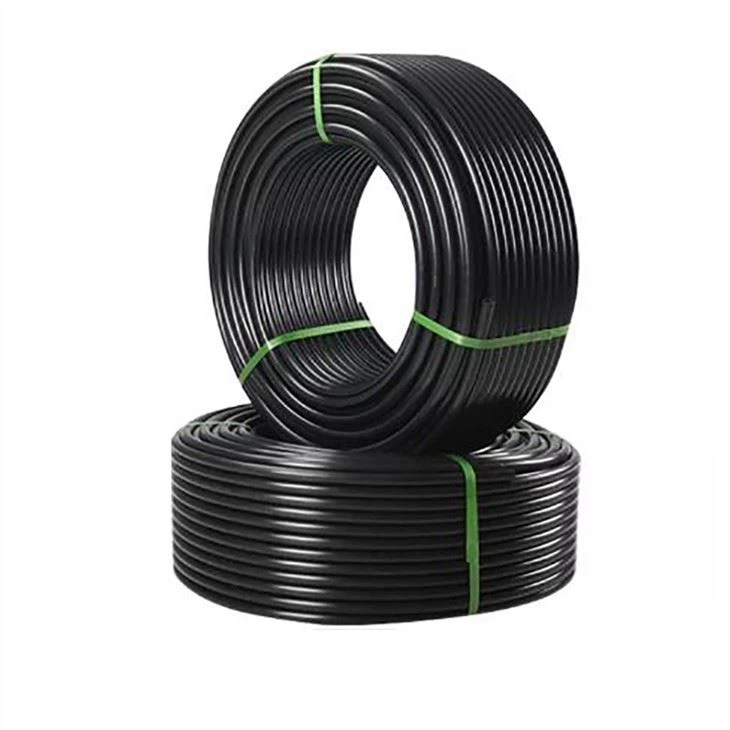
As you install the pipes, check the alignment regularly. A misaligned pipe can cause problems with the flow of the fluid or material inside and can also put extra stress on the pipe joints.
Testing the Installation
Once the pipes are installed, it's time to test them. You can do a pressure test to make sure there are no leaks. Fill the pipes with water or another appropriate fluid and increase the pressure to a level that's slightly higher than the normal operating pressure.
Check all the joints and connections carefully for any signs of leakage. If you find a leak, mark the spot and repair it immediately. You might need to re - weld the joint or replace a faulty section of the pipe.
Maintenance and Long - term Considerations
After the installation and successful testing, you need to think about long - term maintenance. HDPE pipes are durable, but they still need some care. Regularly inspect the pipes for any signs of wear and tear, especially at the joints and the areas where the pipes are supported.
Keep the area around the pipes clean to prevent any debris or contaminants from getting into the pipes. If you notice any issues, address them as soon as possible to avoid more serious problems down the line.
Why Choose Our HDPE Pipes?
We've been in the HDPE pipe business for a long time, and we know what it takes to provide high - quality products. Our pipes are made from top - notch materials, which means they're strong, durable, and resistant to corrosion.
We also offer a wide range of sizes and types of HDPE pipes to meet all your needs. Whether you're working on a small DIY project or a large commercial installation, we've got the right pipes for you.
Contact Us for Your HDPE Pipe Needs
If you're interested in purchasing HDPE pipes for your vertical installation project or any other application, don't hesitate to get in touch. We're here to answer all your questions, provide expert advice, and offer the best products at competitive prices. Reach out to us and start discussing your project requirements. We look forward to working with you!
References
- "HDPE Pipe Installation Guide", HDPE Pipes Industry Handbook.
- "Best Practices for Vertical Pipe Installations", Construction Plastics Magazine.