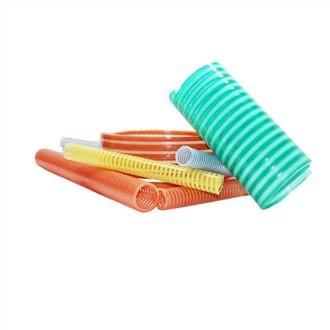
Hey there! I'm a supplier of LPG hoses, and I've seen a lot of folks scratching their heads when it comes to installing an LPG hose in a vehicle. So, I thought I'd share some tips and tricks to make the process a whole lot easier.
First things first, safety is key. LPG is highly flammable, so you need to take all the necessary precautions. Make sure you're working in a well - ventilated area, away from any open flames or sparks. Wear safety goggles and gloves to protect yourself from any potential leaks or spills.
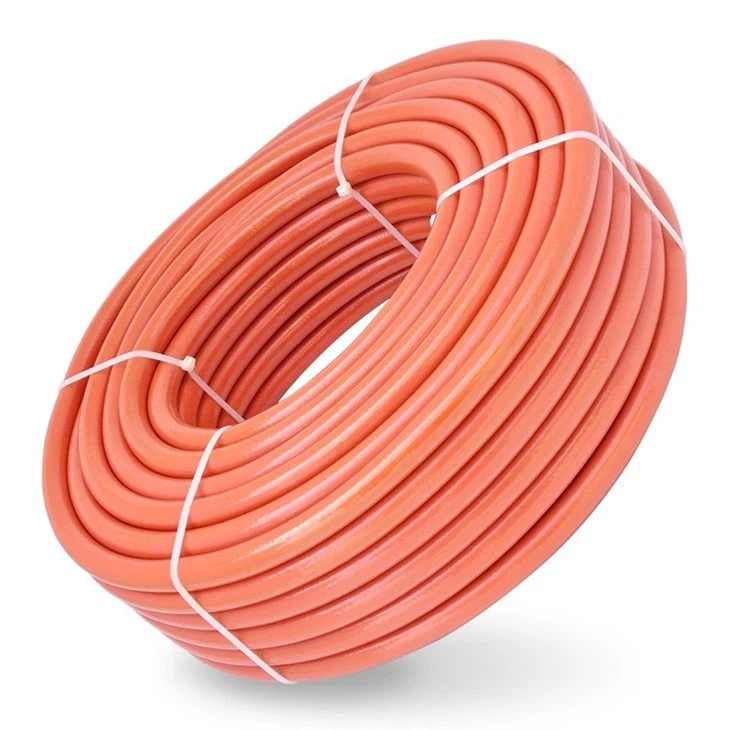
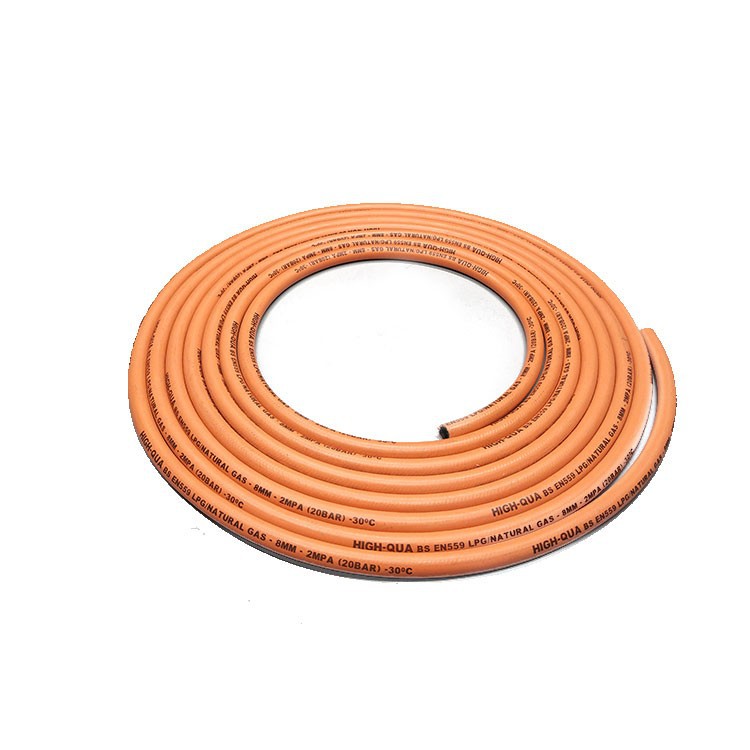
Before you start the installation, gather all the tools you'll need. You'll typically need a wrench set, a screwdriver, and possibly a pipe cutter if you need to trim the hose to the right length. And of course, you'll need the LPG hose itself. We offer a great selection of hoses, like the Lpg Black Hose, Rubber Hose To Lgp, and Hose Pipe Lpg. These hoses are made from high - quality materials that can withstand the pressure and chemicals associated with LPG.
Now, let's get down to the actual installation process.
Step 1: Locate the LPG System Components
The first step is to find the key components of your vehicle's LPG system. This usually includes the LPG tank, the regulator, and the engine connection points. The LPG tank is where the gas is stored, and it's usually located in the trunk or under the vehicle. The regulator is responsible for reducing the high pressure of the gas from the tank to a level that the engine can use. The engine connection points are where the LPG will be fed into the engine.
Step 2: Remove the Old Hose (if applicable)
If you're replacing an old hose, you'll need to remove it first. Start by turning off the LPG supply at the tank. This is usually done by closing a valve on the tank. Then, use your wrench to loosen the fittings at both ends of the hose. Be careful not to damage the fittings or the surrounding components. Once the fittings are loose, gently pull the old hose out.
Step 3: Measure and Cut the New Hose
Take a good look at the length of the old hose or measure the distance between the connection points. You want the new hose to be the right length so that it fits properly without being too tight or too loose. If the new hose is too long, use a pipe cutter to trim it to the correct length. Make sure to cut the hose straight so that it will seal properly with the fittings.
Step 4: Attach the Fittings
Most LPG hoses come with pre - attached fittings, but if yours doesn't, you'll need to attach them yourself. Slide the fitting onto the end of the hose and use a wrench to tighten it. Make sure the fitting is tight enough to prevent any leaks, but don't over - tighten it, as this can damage the hose or the fitting.
Step 5: Connect the Hose to the System
Now it's time to connect the new hose to the LPG system. Start by connecting one end of the hose to the regulator. Use your wrench to tighten the fitting securely. Then, connect the other end of the hose to the engine connection point. Again, make sure the fitting is tight.
Step 6: Check for Leaks
Once the hose is connected, it's crucial to check for leaks. Turn on the LPG supply at the tank slowly. You can use a soap - and - water solution to check for leaks. Simply apply the solution to all the fittings and connections. If you see bubbles forming, that means there's a leak. In that case, turn off the LPG supply immediately and tighten the fitting or replace it if necessary.
Step 7: Test the System
After you've confirmed that there are no leaks, start the vehicle and let it run for a few minutes. Keep an eye on the LPG system to make sure everything is working properly. Listen for any unusual noises or vibrations, and check the pressure gauges if your vehicle has them.
Troubleshooting
Sometimes, things don't go as smoothly as we'd like. Here are some common issues you might encounter during the installation and how to fix them:
- Leaking Fittings: If you notice a leak at a fitting, try tightening it a little more. If that doesn't work, you may need to replace the fitting or the gasket.
- Hose Too Short or Too Long: If the hose is too short, you may need to get a longer one. If it's too long, you can cut it to the right length, but make sure you do it accurately.
- Engine Not Running Properly: This could be due to a number of reasons, such as a clogged hose or a problem with the regulator. Check the hose for any blockages and make sure the regulator is functioning correctly.
Why Choose Our LPG Hoses
As a supplier, I can tell you that our LPG hoses are top - notch. They're made from high - quality rubber and other materials that are resistant to wear, tear, and corrosion. They're also designed to meet all the safety standards, so you can have peace of mind knowing that you're using a reliable product. Whether you need a Lpg Black Hose for a specific application or a Rubber Hose To Lgp for general use, we've got you covered.
Contact Us for Purchasing
If you're interested in buying our LPG hoses, we'd love to hear from you. We offer competitive prices and excellent customer service. Whether you're a professional mechanic or a DIY enthusiast, we can help you find the right hose for your vehicle. Just reach out to us, and we'll assist you with your purchase and answer any questions you may have.
References
- Automotive Repair Manuals
- LPG System Manufacturer's Guides
- Industry Standards for LPG Hose Installation