Welding steel fittings is a common practice in various industries, from construction to manufacturing. As a reputable steel fitting supplier, I understand the importance of not only providing high - quality products but also ensuring that our customers can use them safely. In this blog, I'll share some essential tips on how to weld steel fittings safely.
Understanding the Basics of Steel Fittings
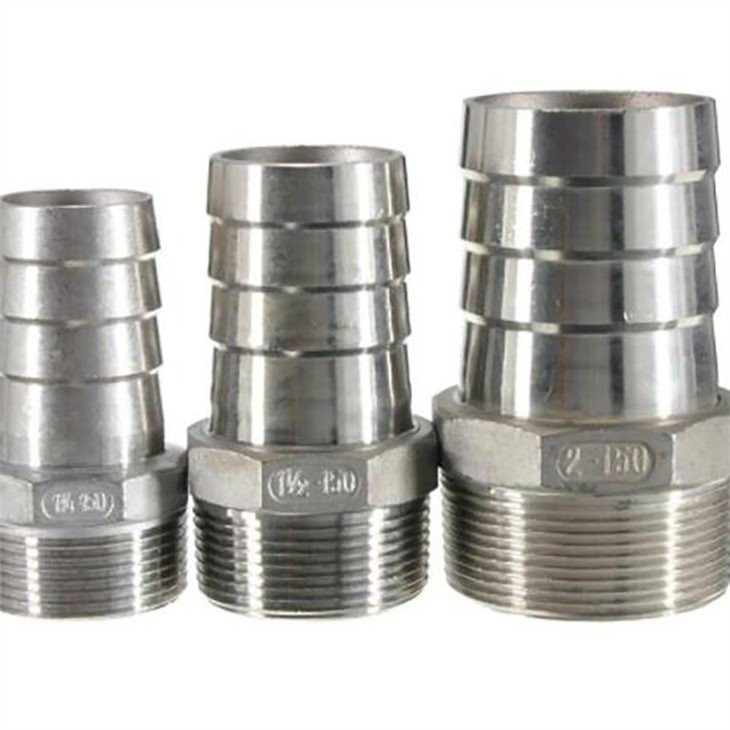
Before we delve into the welding process, it's crucial to have a clear understanding of the different types of steel fittings available. We offer a wide range of products, including Galvanized Steel Pipe Fittings, Steel Air Line Fittings, and Steel Pipe Coupling Fitting. Each type of fitting has its own characteristics and is designed for specific applications.
Galvanized steel pipe fittings are coated with a layer of zinc, which provides excellent corrosion resistance. This makes them ideal for outdoor applications or in environments where the fittings will be exposed to moisture. Steel air line fittings, on the other hand, are designed to handle the high - pressure air used in pneumatic systems. They need to be welded properly to ensure airtight connections. Steel pipe coupling fittings are used to connect two pipes together, and a secure weld is essential to prevent leaks.
Pre - Welding Preparations
Selecting the Right Welding Method
There are several welding methods available for steel fittings, such as MIG (Metal Inert Gas) welding, TIG (Tungsten Inert Gas) welding, and stick welding. Each method has its own advantages and disadvantages. MIG welding is fast and easy to learn, making it a popular choice for beginners. TIG welding, on the other hand, provides a high - quality weld with precise control, but it requires more skill and time. Stick welding is versatile and can be used in various environments, but it may produce more spatter.
When selecting a welding method, consider the type of steel fitting, the thickness of the steel, and the application. For example, if you're welding thin - walled steel fittings, TIG welding may be a better choice to avoid burning through the material.

Gathering the Necessary Equipment
In addition to the welding machine, you'll need several other pieces of equipment to weld steel fittings safely. This includes safety gear such as welding helmets, gloves, aprons, and safety glasses. The welding helmet should have a proper shade of lens to protect your eyes from the intense light and radiation produced during welding. Gloves should be made of heat - resistant material to protect your hands from burns.
You'll also need welding electrodes or filler wire, depending on the welding method you're using. Make sure to choose the right type and size of electrodes or filler wire for the steel fitting you're welding. Other tools such as clamps, wire brushes, and chipping hammers are also essential for preparing the work surface and cleaning the weld.
Preparing the Work Area
The work area should be clean, well - ventilated, and free of any flammable materials. Welding produces fumes and gases that can be harmful if inhaled, so it's important to have proper ventilation. You can use exhaust fans or work in an open area to ensure good air circulation.
Clean the steel fittings thoroughly before welding. Remove any rust, paint, or dirt from the surface using a wire brush or grinder. This will ensure a better weld and prevent impurities from affecting the quality of the joint.
The Welding Process
Setting Up the Welding Machine
Once you've selected the welding method and gathered the necessary equipment, it's time to set up the welding machine. Follow the manufacturer's instructions carefully to set the correct voltage, amperage, and wire feed speed. These settings will depend on the thickness of the steel fitting and the welding method you're using.
For example, if you're using MIG welding to weld a thick - walled steel pipe coupling fitting, you'll need to set a higher amperage and wire feed speed compared to welding a thin - walled galvanized steel pipe fitting.
Making the Weld
Before starting to weld, practice on a scrap piece of steel to get a feel for the welding machine and the settings. When making the weld, hold the welding torch or electrode at the correct angle and distance from the work surface. The angle and distance will depend on the welding method and the type of joint you're making.
For a butt joint, the welding torch or electrode should be held perpendicular to the work surface. For a fillet joint, the angle may be around 45 degrees. Move the welding torch or electrode steadily along the joint to create a smooth and even weld.
Post - Welding Inspection
After completing the weld, allow it to cool down completely before inspecting it. Use a chipping hammer to remove any slag or spatter from the surface of the weld. Inspect the weld for any cracks, porosity, or other defects. A good weld should be smooth, uniform, and free of any visible defects.
If you find any defects in the weld, you may need to re - weld the joint. Make sure to clean the area thoroughly before re - welding to ensure a good bond.
Safety Precautions
Fire Safety
Welding produces sparks and heat that can easily start a fire. Keep a fire extinguisher nearby and make sure you know how to use it. Avoid welding near flammable materials such as wood, paper, or gasoline. If you need to weld in an area where there are flammable materials, take appropriate measures to protect them, such as covering them with fire - resistant blankets.
Electrical Safety
Welding machines are electrical devices, so it's important to follow electrical safety precautions. Make sure the welding machine is properly grounded to prevent electrical shocks. Check the power cord for any damage before using the machine. Do not touch the welding electrodes or the workpiece with wet hands.
Fume and Gas Safety
As mentioned earlier, welding produces fumes and gases that can be harmful if inhaled. Wear a respirator or use a ventilation system to protect yourself from these fumes. Different types of welding produce different types of fumes, so make sure to understand the specific hazards associated with the welding method you're using.
Conclusion
Welding steel fittings safely requires a combination of knowledge, skill, and proper equipment. By following the tips outlined in this blog, you can ensure that you weld our high - quality steel fittings safely and effectively. Whether you're a professional welder or a DIY enthusiast, taking the necessary precautions will not only protect you but also result in a high - quality weld.
If you're interested in purchasing our steel fittings or have any questions about welding them, we'd love to hear from you. Reach out to us to start a conversation about your specific needs and how we can assist you in your projects.
References
- American Welding Society. (2023). Welding Handbook.
- Lincoln Electric. (2023). Welding Procedures and Practices.
- OSHA. (2023). Welding, Cutting, and Brazing Safety Standards.