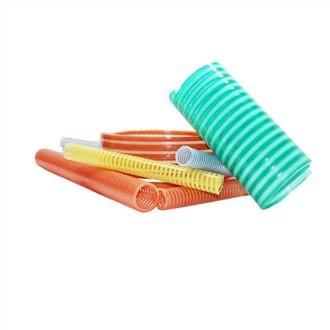
High-density polyethylene (HDPE) pipes are renowned for their durability, flexibility, and chemical resistance, which make them a popular choice for various applications such as water supply, sewage systems, and []irrigation. As a leading HDPE pipes supplier, we understand the importance of maintaining these pipes to ensure their optimal performance and longevity. In this blog, we will discuss how to clean HDPE pipes effectively.
Understanding the Types of HDPE Pipes
Before diving into the cleaning process, it's important to understand the different types of HDPE pipes available. For instance, Hdpe Double Wall Corrugate Pipes are known for their high strength and lightweight design, making them ideal for drainage and sewer applications. On the other hand, HDPE 4 Inch Irrigation Pipe is commonly used in agricultural irrigation systems due to its excellent corrosion resistance. And Black Hdpe Water Supply Pipe is a standard choice for conveying potable water, thanks to its non-toxic and hygienic properties.
Pre - Cleaning Inspection
Before starting the cleaning process, a thorough inspection of the HDPE pipes is necessary. This inspection helps to identify any visible signs of damage, such as cracks, leaks, or blockages. You can visually examine the exterior of the pipes for any signs of abrasion or deformation. For underground pipes, you may need to use specialized equipment like CCTV cameras to check the internal condition.
If any blockages are detected during the inspection, it's important to remove them before cleaning. Blockages can be caused by debris, sediment, or even tree roots. Depending on the location and severity of the blockage, you may use methods such as mechanical rodding or hydro - jetting.
Cleaning Methods for HDPE Pipes
Chemical Cleaning
Chemical cleaning is a common method for removing stubborn stains, scale, and biological growth inside HDPE pipes. However, it's crucial to use chemicals that are compatible with HDPE to avoid damaging the pipes.
For general cleaning, a mild detergent solution can be effective. Mix a small amount of a non - abrasive, neutral pH detergent with water. Fill the pipes with the solution and let it sit for a few hours to loosen the dirt and grime. Then, flush the pipes thoroughly with clean water to remove the detergent and the loosened debris.
In cases where there is heavy scale or hard - water deposits, you can use a diluted acid solution. Hydrochloric acid or citric acid can be used, but make sure to follow the safety guidelines carefully. The acid solution should be applied in a well - ventilated area, and proper personal protective equipment, such as gloves and goggles, should be worn. After applying the acid solution, rinse the pipes completely with water to neutralize any remaining acid.
Mechanical Cleaning
Mechanical cleaning methods are suitable for removing large debris and blockages from HDPE pipes.
One of the most common mechanical cleaning techniques is pigging. A pig is a device that is inserted into the pipe and pushed or pulled through it to scrape off debris from the inner walls. Pigs come in various shapes and sizes, and they can be customized according to the pipe diameter and the type of debris to be removed.
Another option is the use of brushes. For smaller pipes, you can use pipe brushes that are specifically designed for the pipe diameter. Attach the brush to a rod and insert it into the pipe. Then, rotate the rod to scrub the inner walls of the pipe and remove the dirt and debris.
Hydro - jetting
Hydro - jetting is a powerful and effective method for cleaning HDPE pipes. It involves using high - pressure water to flush out debris, sediment, and blockages from the pipes.
A hydro - jetting machine is connected to a hose, and the hose is inserted into the pipe. The high - pressure water is then sprayed through nozzles at the end of the hose, creating a strong force that can break up and remove even the most stubborn blockages. Hydro - jetting can also be used to clean the inner walls of the pipes, removing any biological growth or scale.
Post - Cleaning Procedures
After cleaning the HDPE pipes, it's important to conduct a post - cleaning inspection. This inspection ensures that the pipes are clean and free of any remaining debris or damage. You can use the same methods as the pre - cleaning inspection, such as visual inspection or CCTV monitoring.
Once the pipes have been verified as clean, it's a good idea to perform a flushing test. Run clean water through the pipes for a sufficient amount of time to ensure that all the cleaning agents and debris have been removed. You can also take water samples for testing to ensure that the water quality meets the required standards, especially for pipes used in potable water supply.
Maintenance Tips to Keep HDPE Pipes Clean
Regular maintenance can help prevent the build - up of dirt, debris, and blockages in HDPE pipes, reducing the frequency of cleaning.
- Filtering: Install filters at the inlet of the pipes to prevent large debris from entering the system. This is especially important for pipes used in water supply and irrigation systems.
- Regular Inspections: Conduct regular visual inspections of the pipes to identify any potential issues early on. This can help you take preventive measures before the problems become severe.
- Avoiding Abrasives: When handling HDPE pipes, avoid using abrasive materials or tools that can scratch the surface of the pipes. Scratches can provide a breeding ground for bacteria and make the pipes more susceptible to damage.
- Proper Installation: Ensure that the pipes are installed correctly, with proper slope and support. Improper installation can lead to water pooling and debris accumulation inside the pipes.
Conclusion
Cleaning HDPE pipes is an important part of maintaining their performance and longevity. As a HDPE pipes supplier, we recommend following the appropriate cleaning methods based on the type of contamination and the specific application of the pipes. Whether it's chemical cleaning, mechanical methods, or hydro - jetting, each approach has its own advantages and considerations.


If you have any questions about HDPE pipes or need more information on cleaning and maintenance, feel free to contact us for procurement and further discussions. We are here to provide you with the best solutions for your piping needs.
References
- American Water Works Association. (2016). AWWA Manual M55: Standard for Inspection and Rehabilitation of Water Mains.
- Plastics Pipe Institute. (2019). Plastic Pipe Institute Technical Handbook.
- ASTM International. (2020). ASTM F714 - Standard Specification for Corrugated HDPE Gravity Sewer Pipe and Fittings.