

Hey there! I'm an industrial hose supplier, and I know how crucial it is to keep your hoses clean. A dirty industrial hose can not only reduce its performance but also shorten its lifespan. So, today, I'm gonna share some tips on how to clean an industrial hose.
Why Cleaning Industrial Hoses Matters
Before we dive into the cleaning process, let's talk about why it's so important. Industrial hoses are used in a wide range of applications, from transferring chemicals to handling high - pressure fluids. Over time, dirt, debris, and even chemical residues can build up inside the hoses. This buildup can cause blockages, which may lead to reduced flow rates and increased pressure within the system. In extreme cases, it can even result in hose failure, which is not only costly but can also pose safety risks.
Step 1: Preparation
First things first, you need to gather the right tools and materials. You'll need a cleaning solution, which can vary depending on what the hose has been used for. For general dirt and debris, a mild detergent and warm water can do the trick. But if the hose has been exposed to chemicals, you might need a specialized cleaning agent. You'll also need a brush, preferably one with soft bristles to avoid damaging the hose, and a source of water for rinsing.
It's also important to take safety precautions. Wear gloves and safety goggles to protect yourself from any chemicals or debris that might splash out during the cleaning process. And make sure the hose is disconnected from any equipment and depressurized before you start cleaning.
Step 2: Inspect the Hose
Before you start scrubbing, take a good look at the hose. Check for any signs of damage, such as cracks, leaks, or abrasions. If you find any, it's best to replace the hose rather than trying to clean it. Cleaning a damaged hose won't fix the underlying problem, and it could lead to further issues down the line.
Step 3: Flush the Hose
Once you've inspected the hose, it's time to start the cleaning process. Begin by flushing the hose with water. This will help remove any loose dirt and debris. Connect the hose to a water source and let the water run through it for a few minutes. Make sure to cover the entire length of the hose.

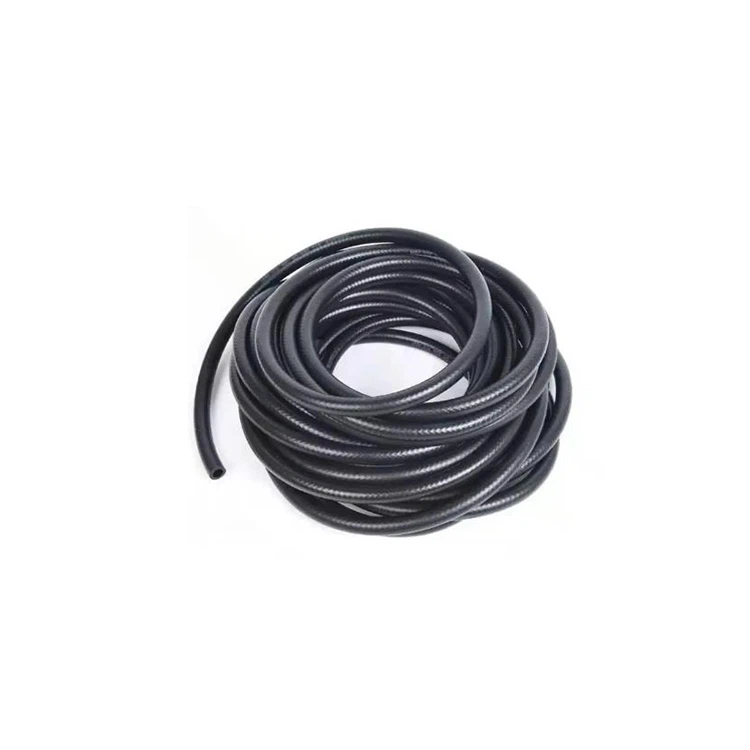
Step 4: Apply the Cleaning Solution
After flushing, it's time to apply the cleaning solution. If you're using a mild detergent, mix it with warm water in a bucket. Dip the brush into the solution and start scrubbing the inside of the hose. Work your way from one end to the other, making sure to cover every inch of the hose. Pay special attention to areas where dirt and debris tend to accumulate, such as bends and joints.
If the hose has been exposed to more stubborn contaminants, you might need to soak it in the cleaning solution for a while. Fill a large container with the cleaning solution and submerge the hose in it. Let it soak for at least 30 minutes or as recommended by the cleaning agent manufacturer.
Step 5: Rinse Thoroughly
Once you've scrubbed or soaked the hose, it's important to rinse it thoroughly. Use clean water to flush out all the cleaning solution and any remaining dirt. Keep rinsing until the water runs clear. This step is crucial because any leftover cleaning solution can react with the fluids that will pass through the hose later, causing damage or contamination.
Step 6: Dry the Hose
After rinsing, you need to dry the hose. You can let it air - dry naturally, but make sure to hang it in a well - ventilated area. Avoid drying it in direct sunlight, as this can cause the hose material to degrade over time. If you're in a hurry, you can use a low - pressure air compressor to blow air through the hose to speed up the drying process.
Step 7: Re - inspect and Reinstall
Once the hose is dry, inspect it again. Make sure it's clean and free of any remaining dirt or debris. Check for any signs of damage that might have been missed during the first inspection. If everything looks good, you can reinstall the hose. Make sure to connect it properly and test the system to ensure it's working correctly.
Different Types of Industrial Hoses and Their Cleaning Requirements
Not all industrial hoses are created equal, and different types of hoses may require different cleaning methods. For example, a High Pressure Fuel Hose used in a fuel delivery system needs to be cleaned with extra care. Fuel residues can be flammable and toxic, so you need to use a cleaning agent that is specifically designed for fuel hoses.
A 4'' Black Nitrile Hose is often used in applications where it comes into contact with oils and chemicals. When cleaning this type of hose, you might need a stronger cleaning solution to remove the stubborn residues.
A Fuel Hose Gasoline also requires special attention. Gasoline is highly flammable, so you need to make sure the hose is completely dry before reconnecting it to the fuel system.
Conclusion
Cleaning an industrial hose is not a difficult task, but it does require some time and effort. By following these steps, you can keep your hoses in good condition, ensuring optimal performance and a longer lifespan.
If you're in the market for high - quality industrial hoses or need more advice on hose maintenance, don't hesitate to reach out. We're here to help you find the right solutions for your industrial needs. Whether you're a small business or a large industrial operation, we've got the expertise and the products to meet your requirements. Contact us today to start a conversation about your industrial hose needs.
References
- Industrial Hose Maintenance Guide, Industry Standards Publication
- Hose Manufacturer's Manuals


