

Hey there! I'm a supplier of brass fittings, and I often get asked, "Can I use brass fittings in a chemical - handling system?" Well, let's dig into this question and find out.
First off, brass is a popular choice for fittings in many industries because it's relatively easy to work with, has good corrosion resistance in some environments, and offers decent strength. But when it comes to chemical - handling systems, things get a bit more complicated.
Brass is an alloy mainly composed of copper and zinc. The proportion of these two metals and the presence of other trace elements can affect how brass reacts with different chemicals. For some mild chemicals, brass fittings can work just fine. For example, in a water - based chemical solution with a neutral pH, brass is likely to hold up well. Water is one of the most common substances handled in industrial and domestic settings, and brass fittings are widely used in plumbing systems. You can check out our Brass Fittings Plumbing Connector for more information on how brass performs in water - related applications.
However, not all chemicals are as friendly to brass as water. Strong acids and alkalis can be a real problem. Acids can react with the zinc in brass, causing it to corrode. This corrosion can lead to leaks in the fitting, which is a big no - no in a chemical - handling system. If the acid is concentrated or has a low pH value, the corrosion process can be quite rapid. Similarly, strong alkalis can also cause damage to brass. They may react with the copper in brass, forming compounds that weaken the fitting over time.
Some oxidizing agents can also pose a threat to brass. These chemicals have a high tendency to accept electrons, and they can react with the metals in brass. For instance, solutions containing chlorine or bromine can cause pitting corrosion on brass surfaces. Pitting corrosion is a form of localized corrosion where small holes or pits form on the metal surface. These pits can grow and eventually lead to the failure of the fitting.
Another factor to consider is the temperature of the chemical - handling system. Higher temperatures can accelerate chemical reactions. So, if you're dealing with a hot chemical solution, the rate of corrosion of brass fittings may increase significantly. Even if the chemical is relatively mild at room temperature, it could become more aggressive at elevated temperatures.
Now, let's talk about some specific chemicals and their compatibility with brass. In the case of propane systems, brass is often used. Propane is a relatively inert gas, and brass can handle it well. Our Brass Propane Connectors are designed to work safely with propane. But remember, even in propane systems, there may be other factors to consider, such as the presence of impurities in the propane or the conditions under which the system operates.
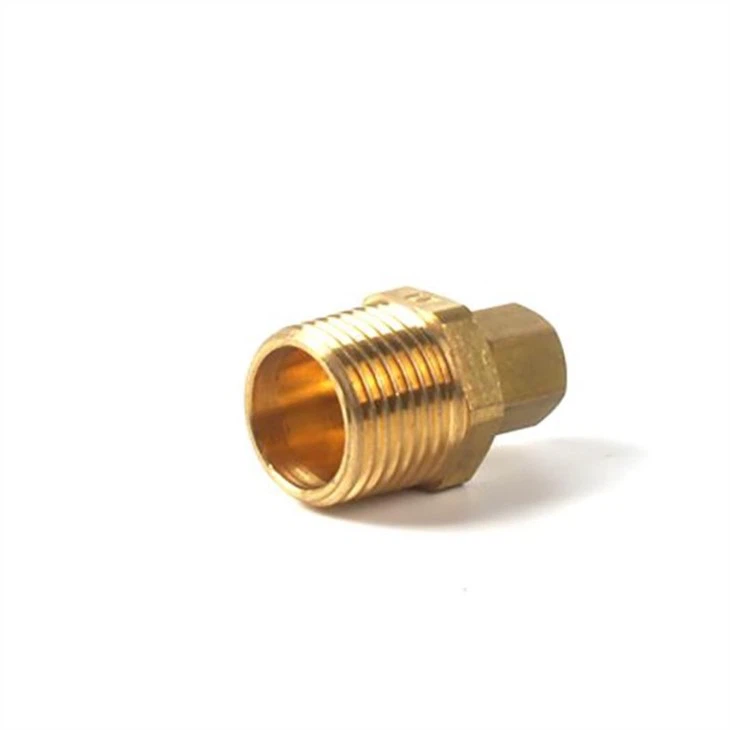
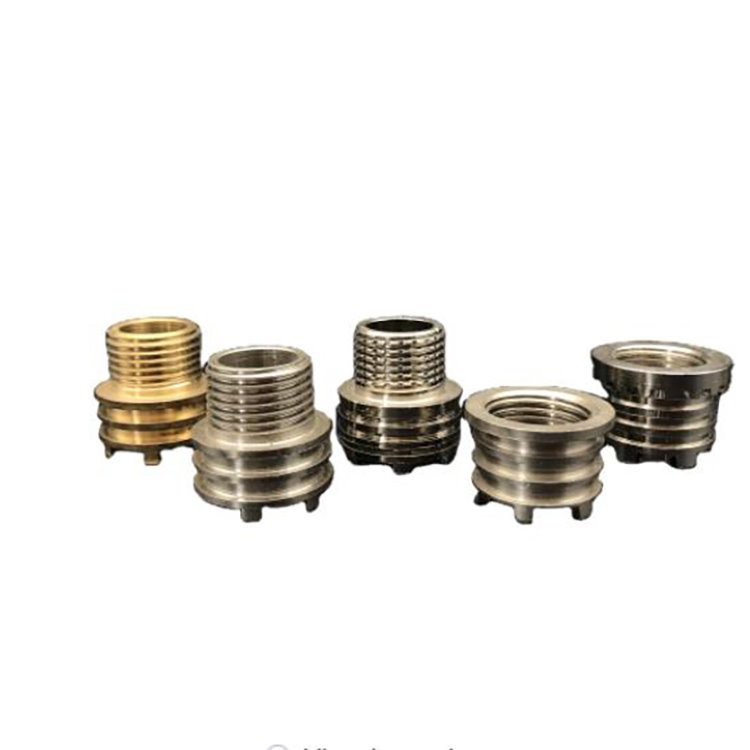
When it comes to PPR (Polypropylene Random Copolymer) pipes, brass insert fittings are quite common. You can find more about our Brass Insert Ppr Pipe Fittings. In this case, the brass insert is usually in contact with water or other non - aggressive fluids that are transported through the PPR pipes. As long as the fluid is within the compatible range of brass, these fittings can provide a reliable connection.
So, can you use brass fittings in a chemical - handling system? The answer is: it depends. If you're dealing with mild chemicals, low - temperature conditions, and the chemical doesn't have a high reactivity with brass, then brass fittings can be a good option. But if you're working with strong acids, alkalis, oxidizing agents, or high - temperature chemical solutions, you may need to look for alternative materials.
Before making a decision, it's crucial to do a chemical compatibility test. You can take a small sample of the brass fitting and expose it to the chemical under the expected operating conditions. Observe the fitting over a period of time to see if there are any signs of corrosion or damage. You can also consult with a materials expert or a chemical engineer who can help you assess the suitability of brass fittings for your specific chemical - handling system.
If you're still not sure whether brass fittings are right for your project, don't hesitate to reach out. As a brass fittings supplier, I have a wealth of experience and knowledge in this area. I can provide you with more detailed information, help you choose the right type of brass fitting, and offer advice on how to ensure the long - term performance of the fittings in your chemical - handling system. Whether you need a single fitting or a large quantity for an industrial project, I'm here to assist you.
In conclusion, while brass fittings have their advantages, they aren't suitable for all chemical - handling systems. You need to carefully evaluate the chemicals involved, the temperature, and other operating conditions before deciding to use brass. By doing so, you can ensure the safety and reliability of your chemical - handling system.
References:
-ASM Handbook, Volume 13A: Corrosion: Fundamentals, Testing, and Protection
- Corrosion Basics: An Introduction by Mars G. Fontana
So, if you're interested in learning more about our brass fittings or need help with your chemical - handling system, feel free to start a conversation with me. Let's work together to find the best solution for your needs.


