Hey there! I'm in the HDPE pipes business, and I often get asked, "Are HDPE pipes cost - effective?" Well, let's dive right into it and break down all the aspects to find out.
First off, what are HDPE pipes? HDPE stands for High - Density Polyethylene. These pipes are made from a thermoplastic polymer with high density, which gives them some really cool properties. They're used in a whole bunch of applications, like water supply systems, sewage systems, and even in the agricultural sector for irrigation.
Initial Cost
When you're looking at the cost of any product, the first thing that comes to mind is the upfront price. HDPE pipes are generally more affordable compared to some other types of pipes, like metal pipes. Metal pipes, such as steel or copper, can be pretty expensive right from the start. The raw materials for HDPE are less costly, and the manufacturing process is also more streamlined, which means the price tag on HDPE pipes is usually lower.
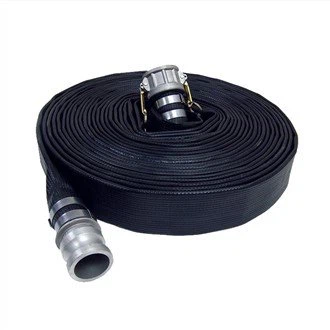
For example, if you're building a small - scale irrigation system for your garden, you can get a Black Drip Hose For Garden at a fraction of the cost of a similar metal pipe setup. This makes HDPE pipes a great option for those on a budget.
Installation Costs
Installation is another big factor when it comes to overall cost - effectiveness. HDPE pipes are lightweight, which makes them super easy to handle and install. You don't need heavy - duty equipment or a large crew to get the job done. This translates to lower labor costs.
In contrast, metal pipes are heavy and require specialized equipment for installation. You might need cranes or other heavy machinery to move and install them, which can add a significant amount to the installation bill. With HDPE pipes, you can often get the job done with just a few people and basic tools.


Moreover, HDPE pipes can be joined using techniques like butt fusion or electrofusion. These methods create strong, leak - free joints, and they're relatively quick and easy to perform. This not only saves time but also reduces the chances of installation errors, which could lead to costly repairs down the line.
Durability and Long - Term Costs
One of the biggest selling points of HDPE pipes is their durability. They're resistant to corrosion, chemicals, and abrasion. Unlike metal pipes, which can rust and corrode over time, HDPE pipes can last for decades without significant degradation.
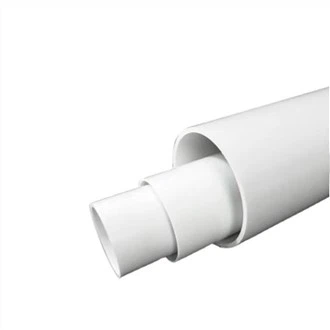
This long lifespan means that you won't have to replace them as often. For a water supply system in a municipality, for instance, using Plastic Pe100 Hdpe Pipe can save a huge amount of money in the long run. You won't have to worry about frequent pipe replacements, which can be extremely costly in terms of both materials and labor.
HDPE pipes also have a high resistance to environmental stress cracking. This means they can withstand the stresses of being buried underground or exposed to different weather conditions without cracking or failing. This reliability reduces the need for maintenance and emergency repairs, further cutting down on costs.
Energy Efficiency
HDPE pipes have smooth interiors, which allows for better fluid flow. This means that less energy is required to pump water or other fluids through the pipes. In a large - scale water distribution system, this energy savings can add up to a significant amount over time.
Compared to pipes with rough interiors, such as some concrete pipes, HDPE pipes can reduce the energy consumption of the pumping system by a considerable margin. This not only saves money on energy bills but also has a positive impact on the environment by reducing carbon emissions.
Flexibility
HDPE pipes are flexible, which is a huge advantage in many applications. They can be bent to fit around obstacles without the need for additional fittings. This reduces the number of joints in the system, which in turn reduces the risk of leaks.
In a complex plumbing system or an underground installation where there are many obstacles, the flexibility of High Density Polyethylene Black Hose can save a lot of time and money. You don't have to spend extra on custom - made fittings or take the time to install them.
Maintenance Costs
As mentioned earlier, HDPE pipes are very low - maintenance. They don't require painting, coating, or other forms of regular maintenance like metal pipes do. You don't have to worry about rust prevention or corrosion protection.
In addition, if there is a problem with an HDPE pipe, it's often easier and cheaper to repair. You can usually cut out the damaged section and replace it with a new piece using the same fusion techniques. This is much simpler and less expensive than trying to repair a damaged metal pipe, which might require welding or other complex repair methods.
Conclusion
So, are HDPE pipes cost - effective? The answer is a resounding yes! From the initial purchase price to installation, long - term durability, energy efficiency, flexibility, and maintenance, HDPE pipes offer a lot of cost - saving benefits.
If you're in the market for pipes for your next project, whether it's a small garden irrigation system or a large - scale industrial application, I highly recommend considering HDPE pipes. They'll not only save you money but also give you a reliable and long - lasting solution.
If you're interested in learning more about our HDPE pipes or would like to discuss a potential purchase, feel free to reach out. We're always happy to talk about how our products can meet your needs and help you save money in the long run.
References
- "Handbook of Polyethylene" by Andrew Peacock
- "Plastic Pipe Systems: Design and Installation" by the Plastic Pipe Institute