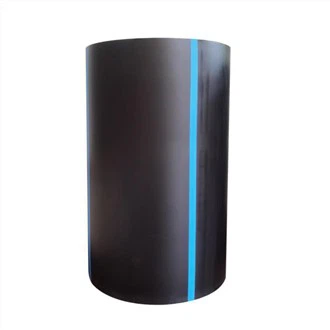
Temperature is a critical environmental factor that significantly influences the performance of Rubber Layflat hoses. As a leading supplier of Rubber Layflat products, we have witnessed firsthand how temperature fluctuations can impact the functionality, durability, and overall effectiveness of these hoses. In this blog post, we will delve into the science behind the temperature-performance relationship of Rubber Layflat hoses and explore how different temperature conditions can affect their various aspects.
Understanding Rubber Layflat Hoses
Before we discuss the impact of temperature, it's essential to understand what Rubber Layflat hoses are and their typical applications. Rubber Layflat hoses are flexible, lightweight, and durable hoses made from rubber compounds. They are designed to be easily laid flat when not in use, making them convenient for storage and transportation. These hoses are commonly used in a variety of industries, including agriculture, construction, mining, firefighting, and industrial cleaning, for tasks such as water transfer, irrigation, dewatering, and chemical handling.


The Impact of High Temperatures
1. Material Degradation
High temperatures can accelerate the aging process of rubber materials. Rubber is a polymer material, and when exposed to elevated temperatures, the chemical bonds within the rubber molecules can break down. This process, known as thermal degradation, leads to a loss of elasticity and strength in the Rubber Layflat hose. As a result, the hose becomes more brittle and prone to cracking, which can compromise its integrity and lead to leaks.
2. Reduced Pressure Resistance
The pressure resistance of a Rubber Layflat hose is directly related to its material properties. When the temperature rises, the rubber softens, and the hose's ability to withstand internal pressure decreases. This means that at high temperatures, the hose may not be able to handle the same pressure as it would at lower temperatures. For example, a hose rated for a certain pressure at room temperature may experience a significant reduction in its pressure rating when exposed to high heat. This can be particularly dangerous in applications where high-pressure water or other fluids are being transferred.
3. Increased Permeability
High temperatures can also increase the permeability of the rubber material. Permeability refers to the ability of a substance to pass through a material. In the case of Rubber Layflat hoses, increased permeability can lead to the leakage of fluids or gases through the walls of the hose. This is especially problematic when dealing with hazardous chemicals or volatile substances, as it can pose safety risks to the environment and personnel.
The Impact of Low Temperatures
1. Loss of Flexibility
One of the most noticeable effects of low temperatures on Rubber Layflat hoses is the loss of flexibility. Rubber becomes stiffer and less elastic as the temperature drops. This makes the hose more difficult to handle, bend, and lay out. In extreme cold conditions, the hose may become so rigid that it is virtually impossible to use. This can be a significant problem in applications where the hose needs to be maneuvered around obstacles or in tight spaces.
2. Brittleness and Cracking
As the rubber loses its flexibility at low temperatures, it also becomes more brittle. Brittle rubber is more likely to crack when subjected to stress or impact. For example, if a cold Rubber Layflat hose is bent too sharply or stepped on, it may develop cracks. These cracks can start small but can quickly propagate and lead to complete failure of the hose.
3. Reduced Flow Capacity
The stiffness of the hose at low temperatures can also affect its flow capacity. The inner diameter of the hose may decrease slightly due to the contraction of the rubber material, which can restrict the flow of fluids through the hose. This can lead to a decrease in the efficiency of the system and may require additional pumping power to maintain the desired flow rate.
Temperature Ranges and Compatibility
Different types of rubber compounds used in Rubber Layflat hoses have different temperature tolerances. It's crucial to choose the right hose for the specific temperature conditions of your application. For example, some hoses are designed to withstand high temperatures up to 150°C or more, while others are better suited for low-temperature environments down to -40°C.
When selecting a Rubber Layflat hose, it's also important to consider the compatibility of the hose with the fluids being transferred. Some chemicals may react with the rubber at certain temperatures, causing further degradation of the material. Always refer to the manufacturer's specifications and guidelines to ensure that the hose is suitable for your specific application.
Our Product Solutions
As a Rubber Layflat hose supplier, we offer a wide range of products designed to perform well in different temperature conditions. Our hoses are made from high-quality rubber compounds that are carefully selected and tested to ensure optimal performance and durability.
- Non Kinking Garden Hose: This hose is ideal for outdoor applications in moderate temperature conditions. It is designed to resist kinking, making it easy to use and store. You can find more information about this product here.
- Spiral Spring Central PVC Steel Felixable Hose: This hose is suitable for both high and low-temperature applications. The spiral spring design provides additional strength and flexibility, while the PVC and steel construction ensures durability. Check out this product here.
- 100 ft Water Collapsible Garden Hose: This lightweight and portable hose is perfect for garden watering and other low-pressure applications. It can be easily stored when not in use and is designed to perform well in a wide range of temperatures. Learn more about this hose here.
Conclusion
Temperature plays a crucial role in the performance of Rubber Layflat hoses. High temperatures can cause material degradation, reduced pressure resistance, and increased permeability, while low temperatures can lead to loss of flexibility, brittleness, and reduced flow capacity. By understanding the impact of temperature on these hoses and choosing the right product for your specific application, you can ensure optimal performance and longevity.
If you are in the market for Rubber Layflat hoses or have any questions about our products, we encourage you to contact us. Our team of experts is ready to assist you in selecting the best hose for your needs and provide you with all the information you need to make an informed decision.
References
- ASTM International. (20XX). Standard test methods for rubber properties in compression.
- ISO. (20XX). Rubber hoses - Specification for lay - flat delivery hoses.
- Smith, J. (20XX). The effects of temperature on polymer materials. Journal of Polymer Science.