

Do garden hoses have a maximum temperature limit? This is a question that many homeowners, garden enthusiasts, and professional landscapers often ask. As a garden hose supplier, I've dealt with a wide range of customers and their concerns regarding the performance of garden hoses under different conditions, especially temperature. In this blog, I'll explore the concept of a maximum temperature limit for garden hoses, the factors that influence it, and how it impacts the functionality and lifespan of the hoses.
Understanding the Basics of Garden Hoses
Before delving into the maximum temperature limit, it's essential to understand the different types of garden hoses available in the market. The most common materials used for garden hoses are PVC (Polyvinyl Chloride), rubber, and polyurethane. Each material has its own set of properties, advantages, and limitations, which directly affect its performance under varying temperatures.
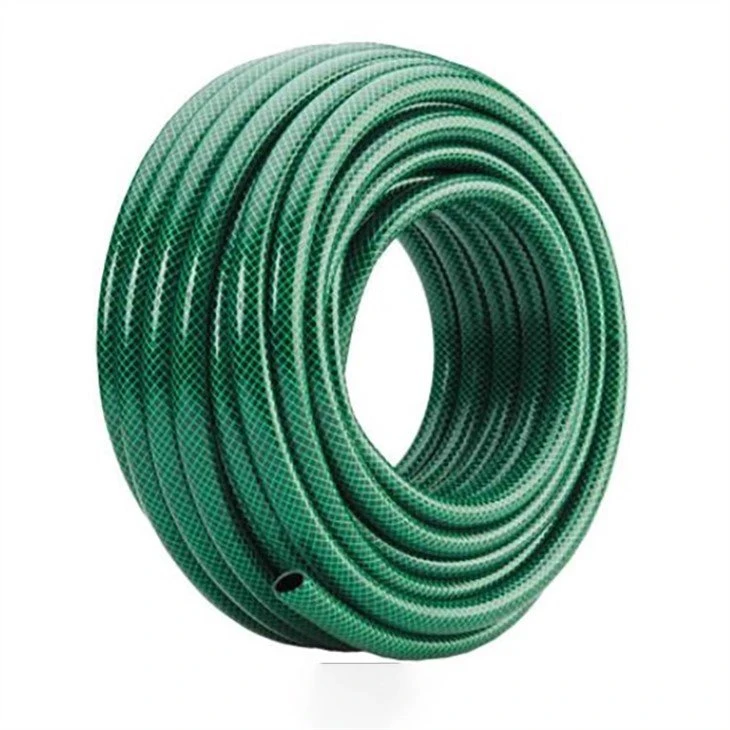
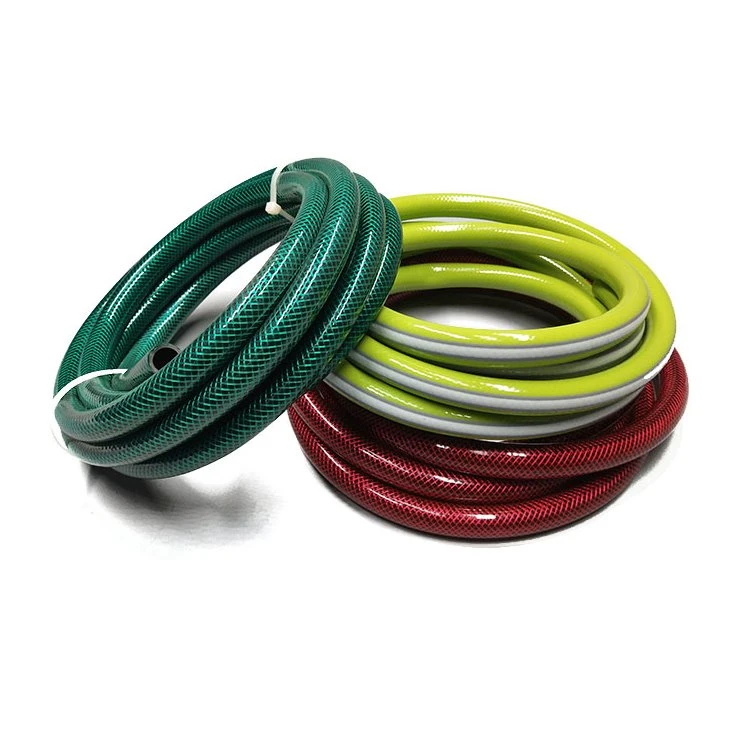
- PVC Garden Hoses: PVC hoses are lightweight, affordable, and widely available. They are suitable for general household use, such as watering the garden or washing the car. You can find a variety of Pvc Garden Hose Pipe options on our website. However, PVC is sensitive to temperature changes. At high temperatures, PVC can become soft and lose its shape, leading to kinking and reduced water flow.
- Rubber Garden Hoses: Rubber hoses are more durable and flexible than PVC hoses. They can withstand higher pressure and are less likely to kink. Rubber hoses are a good choice for heavy-duty applications, such as commercial landscaping or industrial use. However, extreme heat can cause rubber to degrade over time, leading to cracks and leaks.
- Polyurethane Garden Hoses: Polyurethane hoses are known for their excellent flexibility, strength, and resistance to abrasion. They are also lightweight and easy to handle. Polyurethane hoses can perform well in a wide range of temperatures, but like other materials, they have a maximum temperature limit beyond which their performance may be affected.
Factors Affecting the Maximum Temperature Limit
The maximum temperature limit of a garden hose is not a fixed value. It is influenced by several factors, including the material composition, wall thickness, and the presence of additives or reinforcements.
- Material Composition: As mentioned earlier, different materials have different temperature tolerances. PVC has a relatively low maximum temperature limit compared to rubber and polyurethane. The chemical structure of the material determines how it responds to heat. For example, PVC contains plasticizers that can migrate at high temperatures, causing the material to become brittle or soft.
- Wall Thickness: The thickness of the hose wall also plays a role in determining its temperature resistance. Thicker walls can provide better insulation and protection against heat. A thicker PVC hose may be able to withstand slightly higher temperatures than a thinner one. However, increasing the wall thickness also increases the weight and cost of the hose.
- Additives and Reinforcements: Some garden hoses are treated with additives or reinforced with materials such as polyester or nylon to improve their performance. These additives can enhance the temperature resistance of the hose. For example, UV stabilizers can protect the hose from the damaging effects of sunlight, which can increase the temperature of the hose.
The Impact of High Temperatures on Garden Hoses
Exposing a garden hose to temperatures above its maximum limit can have several negative consequences.
- Loss of Shape and Flexibility: At high temperatures, the hose material can become soft and lose its shape. This can lead to kinking and tangling, making it difficult to use the hose. The loss of flexibility also reduces the ease of handling and maneuverability.
- Reduced Water Flow: A soft or deformed hose can restrict the flow of water. This can result in a weaker water pressure at the nozzle, making it less effective for watering plants or cleaning. In extreme cases, the hose may even burst under pressure, causing a significant water leak.
- Degradation and Leakage: Prolonged exposure to high temperatures can cause the hose material to degrade over time. This can lead to cracks, holes, and leaks, which can waste water and require frequent replacement of the hose.
How to Determine the Maximum Temperature Limit
The maximum temperature limit of a garden hose is usually specified by the manufacturer. It is important to check the product specifications or the manufacturer's website for this information. The temperature limit is typically given in degrees Celsius or Fahrenheit.
In addition to the manufacturer's specifications, you can also perform a simple test to determine the temperature limit of your garden hose. Fill the hose with water and place it in a sunny location. Monitor the temperature of the water inside the hose using a thermometer. As the temperature rises, observe the behavior of the hose. If you notice any signs of softening, kinking, or other damage, the temperature has likely exceeded the hose's maximum limit.
Tips for Using Garden Hoses in High Temperatures
To ensure the longevity and performance of your garden hose in high temperatures, here are some tips to follow:
- Choose the Right Hose: Select a garden hose made from a material that is suitable for high temperatures. Rubber and polyurethane hoses generally have a higher temperature tolerance than PVC hoses. Consider the Mini Retractable Garden Hose for its flexibility and durability.
- Avoid Direct Sunlight: Whenever possible, store the hose in a cool, shaded place. Direct sunlight can heat up the hose and cause it to degrade more quickly. If you need to use the hose in the sun, try to do so during the cooler parts of the day.
- Flush the Hose Regularly: Flushing the hose with cold water after use can help to lower its temperature and prevent heat damage. This is especially important if the hose has been exposed to high temperatures for an extended period.
- Inspect the Hose Regularly: Check the hose for any signs of damage, such as cracks, holes, or leaks. Replace the hose if it is damaged to prevent water waste and ensure safe operation.
Conclusion
In conclusion, garden hoses do have a maximum temperature limit, which is influenced by factors such as the material composition, wall thickness, and additives. Exceeding this limit can lead to a loss of shape, reduced water flow, and degradation of the hose. By choosing the right hose, avoiding direct sunlight, flushing the hose regularly, and inspecting it for damage, you can ensure the longevity and performance of your garden hose in high temperatures.
If you're in the market for a new garden hose or have any questions about our products, we'd love to hear from you. Contact us to discuss your specific needs and explore our wide range of Pvc To Garden Hose Pipe and other garden hose options. Our team of experts is ready to assist you in finding the perfect hose for your requirements.
References
- "The Science of Garden Hose Materials." Journal of Horticultural Equipment, Vol. 15, No. 2, 2020.
- "Temperature Effects on the Performance of Garden Hoses." International Journal of Outdoor Equipment, Vol. 22, No. 3, 2021.
- Manufacturer's product specifications and technical data sheets for various garden hoses.


