Can HDPE Pipes be used for Oil Pipelines?
As a supplier of HDPE pipes, I often encounter questions from clients regarding the suitability of HDPE pipes for various applications, including oil pipelines. This blog post aims to delve into the technical aspects, advantages, limitations, and real - world considerations of using HDPE pipes for oil transportation.
Technical Properties of HDPE Pipes
HDPE, or High - Density Polyethylene, is a thermoplastic polymer known for its high strength - to - density ratio. It has excellent chemical resistance, which is crucial when considering its use in oil pipelines. Oil is a complex mixture of hydrocarbons, and some of its components can be corrosive to certain materials. HDPE pipes are resistant to a wide range of chemicals present in oil, such as acids, alkalis, and many organic solvents.


The flexibility of HDPE pipes is another significant advantage. They can withstand ground movement, seismic activity, and temperature variations better than rigid materials like steel. This flexibility reduces the risk of pipe failure due to external forces. Additionally, HDPE pipes have a smooth inner surface, which minimizes friction losses during the flow of oil. This means that less energy is required to pump the oil through the pipeline, resulting in cost savings over the long term.
Advantages of Using HDPE Pipes in Oil Pipelines
One of the primary advantages of HDPE pipes in oil pipelines is their corrosion resistance. Unlike steel pipes, which are prone to rust and corrosion when in contact with oil and the surrounding environment, HDPE pipes do not corrode. This extends the lifespan of the pipeline, reducing maintenance costs and the need for frequent replacements.
HDPE pipes are also lightweight compared to steel pipes. This makes them easier to transport and install, reducing labor and equipment costs during the construction of the pipeline. The ease of installation also means that projects can be completed more quickly, minimizing downtime and getting the oil transportation system up and running faster.
In terms of environmental impact, HDPE is a recyclable material. At the end of its useful life, HDPE pipes can be recycled into new products, reducing waste and promoting sustainability. This is an important consideration in today's environmentally conscious world.
Limitations of HDPE Pipes for Oil Pipelines
Despite their many advantages, HDPE pipes do have some limitations when it comes to oil pipelines. One of the main concerns is their temperature resistance. HDPE pipes have a relatively low melting point compared to steel. High - temperature oil can cause the HDPE pipes to deform or even melt, especially if the oil temperature exceeds the recommended operating temperature of the HDPE material.
Another limitation is the pressure rating. HDPE pipes have a lower pressure rating compared to steel pipes. In high - pressure oil pipelines, such as those used in long - distance transmission or in offshore applications, HDPE pipes may not be able to withstand the high pressures. This restricts their use to low - to medium - pressure oil pipelines.
Real - World Considerations
In real - world applications, the decision to use HDPE pipes in oil pipelines depends on several factors. For short - distance, low - pressure oil pipelines, such as those used in oil fields for gathering systems, HDPE pipes can be a suitable choice. These pipelines typically carry oil from the wellhead to a central processing facility or storage tank, where the pressure and temperature requirements are relatively low.
However, for long - distance, high - pressure oil pipelines, steel pipes are still the preferred choice due to their higher pressure and temperature resistance. In some cases, a combination of HDPE and steel pipes may be used. For example, HDPE pipes can be used for the low - pressure sections of the pipeline, such as the distribution network near the end - user, while steel pipes are used for the high - pressure, long - distance transmission sections.
Our HDPE Pipe Products
As a HDPE pipes supplier, we offer a wide range of HDPE pipes suitable for various applications. Our HDPE Plastic Irrigation Pipe is designed for efficient water distribution in agricultural and landscaping applications. Although it is not specifically designed for oil pipelines, it showcases the quality and performance of our HDPE products.
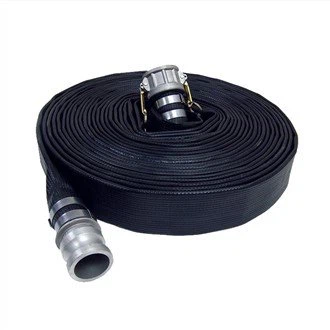
Our HDPE 2 Inch Corrugated Plastic Hose is known for its flexibility and durability. It can be used in a variety of fluid transportation applications, including some low - pressure oil transfer scenarios.
We also offer Hdpe Farm Irrigation Pipe, which is a cost - effective solution for agricultural irrigation. While it is not directly used for oil pipelines, it demonstrates our expertise in manufacturing high - quality HDPE pipes.
Conclusion
In conclusion, HDPE pipes can be used for oil pipelines, but their use is limited to certain applications, mainly low - to medium - pressure and low - temperature scenarios. They offer many advantages, such as corrosion resistance, flexibility, and ease of installation, but also have limitations in terms of temperature and pressure resistance. As a HDPE pipes supplier, we are committed to providing high - quality products and technical support to help our clients make the right choice for their oil pipeline projects.
If you are considering using HDPE pipes for your oil pipeline project or have any questions about our products, we encourage you to contact us for a detailed discussion. We can provide you with customized solutions based on your specific requirements.
References
- "Handbook of Plastic Pipe Engineering" by Christopher R. Shook.
- "Plastic Pipes in Water Supply and Sewerage" by R. M. Morgan.
- Industry reports on the use of HDPE pipes in oil and gas applications.