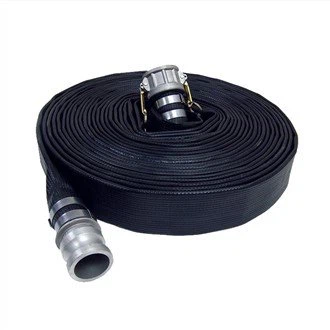
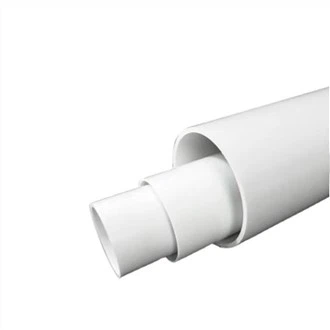
Are HDPE pipes suitable for mining applications? That's a question I get asked a lot as an HDPE pipes supplier. And let me tell you, the answer is a resounding yes! In this blog, I'll break down why HDPE pipes are a top - notch choice for the mining industry.
First off, let's talk about what HDPE pipes are. HDPE stands for High - Density Polyethylene. These pipes are made from a thermoplastic polymer known for its high strength - to - density ratio. They come in different types like Plastic Pe100 Hdpe Pipe, which is widely used due to its excellent performance.
One of the biggest challenges in mining is dealing with abrasive materials. Mining operations involve transporting all sorts of stuff like slurries, which are mixtures of water and solid particles such as sand, gravel, and ore. These slurries can be extremely rough on pipes. But HDPE pipes are up to the task. They have a smooth inner surface that reduces friction. This not only allows for a more efficient flow of the slurry but also minimizes wear and tear. Unlike metal pipes, which can get quickly eroded by the abrasive materials, HDPE pipes can withstand the constant rubbing of the slurry particles over a long period.
Another important aspect in mining is corrosion. Mines often have a harsh chemical environment. Groundwater in mines can contain various acids, alkalis, and salts. Metal pipes are very susceptible to corrosion in such conditions. A corroded pipe can lead to leaks, which are not only a waste of resources but can also pose safety risks. HDPE pipes, on the other hand, are highly resistant to corrosion. They don't react with most chemicals found in the mining environment. So, you don't have to worry about the pipes deteriorating due to chemical attacks. This makes them a long - lasting and reliable option for mining applications.
Flexibility is also a key factor. Mining sites are often in remote and rugged locations. The terrain can be uneven, and there may be seismic activity in some areas. HDPE pipes are flexible, which means they can adapt to ground movement without cracking or breaking. They can bend to a certain degree without losing their structural integrity. This is a huge advantage compared to rigid pipes, which can easily break under stress. For example, if there's a small earthquake or if the ground settles unevenly, an HDPE pipe can adjust, while a rigid pipe might split open.
Installation of HDPE pipes is relatively easy. They are lightweight compared to metal pipes, which makes transportation to the mining site much more convenient. You don't need heavy - duty equipment just to move the pipes around. Also, joining HDPE pipes is straightforward. You can use methods like butt fusion or electrofusion. These joining techniques create a strong, leak - proof connection. In a mining operation, time is money, and the quick and easy installation of HDPE pipes can save a lot of time and labor costs.
Cost - effectiveness is another plus. While the initial cost of HDPE pipes might be similar to or slightly higher than some traditional pipes in some cases, the long - term savings are significant. Their durability means you won't have to replace them as often as other types of pipes. You also save on maintenance costs because there's less need for repairs due to corrosion and wear. Additionally, the energy savings from the reduced friction in the pipes can add up over time.
Now, let's look at some specific types of HDPE pipes used in mining. Sdr 17 Hdpe Pipes are commonly used. The SDR (Standard Dimension Ratio) indicates the relationship between the outside diameter and the wall thickness of the pipe. SDR 17 pipes have a good balance of strength and flexibility, making them suitable for different mining applications, such as transporting water for dust suppression or carrying slurries.
Plastic Pipes Hdpe in general offer a wide range of options for mining. They come in different sizes and pressure ratings, so you can choose the right pipe for your specific needs. Whether you're dealing with a small - scale mining operation or a large - scale industrial mine, there's an HDPE pipe that will fit the bill.


However, like any product, HDPE pipes also have some limitations. They have a lower melting point compared to metal pipes. So, in situations where extremely high - temperature materials need to be transported, HDPE pipes may not be the best choice. Also, they need to be protected from direct sunlight during storage as UV rays can degrade the material over time.
Overall, though, the benefits of using HDPE pipes in mining far outweigh the drawbacks. They offer a combination of durability, corrosion resistance, flexibility, and cost - effectiveness that makes them a great fit for the mining industry.
If you're in the mining business and looking for reliable pipes for your operations, I highly recommend considering HDPE pipes. They can improve the efficiency of your processes, reduce maintenance costs, and provide long - term performance. If you're interested in learning more or want to start a procurement discussion, feel free to reach out. I'm here to help you find the right HDPE pipes for your mining needs.
References:
- "Plastic Pipes in the Mining Industry" - Industry research report
- "Properties and Applications of HDPE Pipes" - Technical publication on polymer pipes