

When winter arrives, one of the most common issues that homeowners and building managers face is frozen pipes. PPR (Polypropylene Random Copolymer) pipes, known for their durability and resistance to corrosion, are no exception. As a PPR pipe supplier, I understand the concerns and challenges that come with frozen PPR pipes. In this blog, I will share some practical steps and solutions to address the problem of frozen PPR pipes.
Understanding the Risks of Frozen PPR Pipes
PPR pipes are generally more flexible and resistant to freezing compared to some other types of pipes. However, when the temperature drops significantly, the water inside the pipes can freeze, causing the pipes to expand. If the pressure becomes too high, the pipes may crack or burst, leading to water damage to the property.
The first step in dealing with frozen PPR pipes is to identify the signs of freezing. These may include reduced water flow, no water coming out of the taps, or strange noises coming from the pipes. If you notice any of these signs, it's important to take action immediately to prevent further damage.
Preventive Measures
Prevention is always better than cure. Here are some preventive measures that can help you avoid frozen PPR pipes:
- Insulation: Insulate your PPR pipes, especially those in unheated areas such as attics, basements, and crawl spaces. You can use foam pipe insulation sleeves or fiberglass insulation to wrap the pipes. This will help to keep the pipes warm and prevent the water inside from freezing.
- Keep the Heat On: Even if you're away from home, keep the heat on at a low temperature to maintain a consistent temperature inside the building. This will help to prevent the pipes from freezing.
- Open Cabinet Doors: In cold weather, open the cabinet doors under sinks to allow warm air to circulate around the pipes. This can help to keep the pipes from freezing.
- Drip Faucets: Let a small trickle of water run from a faucet connected to the pipes that are at risk of freezing. The flowing water is less likely to freeze than still water.
Thawing Frozen PPR Pipes
If you discover that your PPR pipes are frozen, here are the steps you can take to thaw them:
- Locate the Frozen Section: Use your senses to find the frozen section of the pipe. You may feel a cold spot on the pipe or notice a bulge where the water has frozen.
- Apply Heat: There are several ways to apply heat to the frozen pipe. You can use a hair dryer, a heat lamp, or a heating pad. Start at the end of the pipe closest to the faucet and work your way towards the frozen section. Be careful not to overheat the pipe, as this can cause damage.
- Use Warm Water: You can also wrap a towel soaked in warm water around the frozen section of the pipe. This will help to transfer heat to the pipe and thaw the ice.
- Be Patient: Thawing frozen pipes can take time, especially if the pipe is long or the ice is thick. Be patient and continue to apply heat until the water starts to flow again.
When to Call a Professional
In some cases, thawing the frozen pipes may not be enough. If the pipe has burst or if you're unable to thaw the pipe on your own, it's important to call a professional plumber. A professional plumber has the tools and expertise to diagnose and fix the problem quickly and safely.
Choosing the Right PPR Pipes
As a PPR pipe supplier, I recommend choosing high-quality PPR pipes that are designed to withstand cold temperatures. Look for pipes that are made from high-grade polypropylene and have a good insulation rating. You can find a wide range of PPR pipes on our website, including Plastic Pipe Polypropylene, Plumbers Ppr Pipe, and Plastic Polypropylene Pipes.
Conclusion
Frozen PPR pipes can be a serious problem, but with the right preventive measures and quick action, you can minimize the damage. By insulating your pipes, keeping the heat on, and knowing how to thaw frozen pipes, you can protect your property and ensure that your PPR pipes continue to function properly.
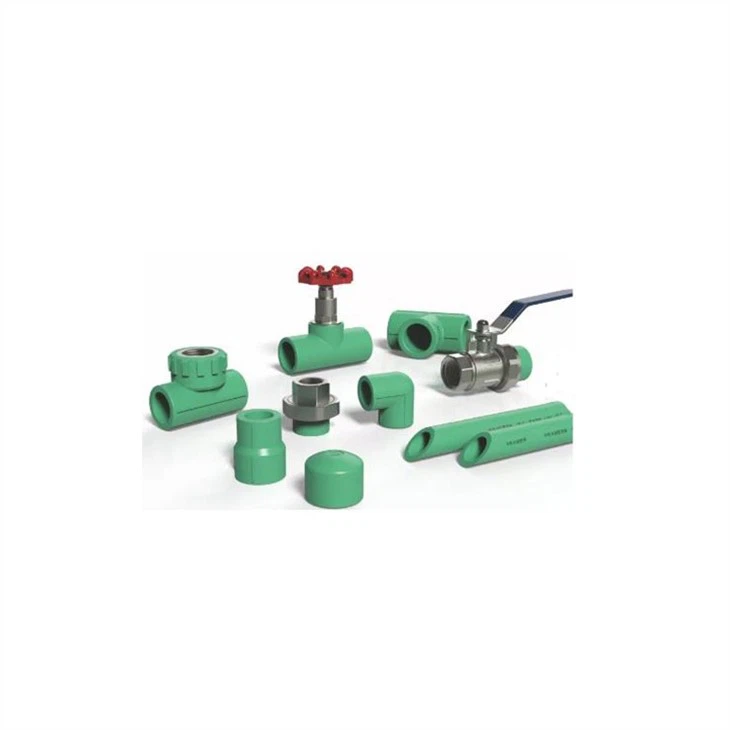
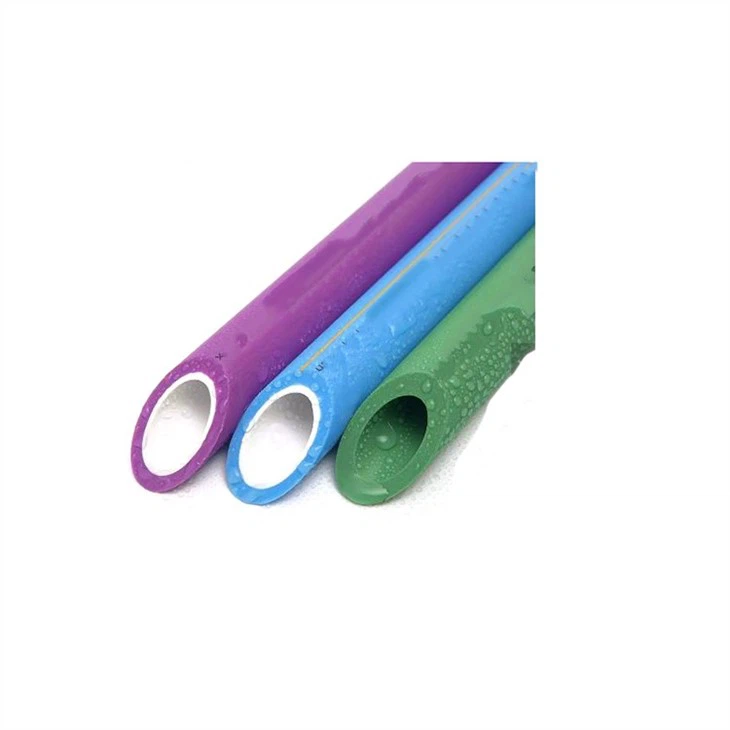
If you have any questions about PPR pipes or need help with frozen pipes, please don't hesitate to contact us. We are a leading PPR pipe supplier and can provide you with the best products and solutions for your needs. We look forward to working with you and helping you find the right PPR pipes for your project.
References
- ASPE (American Society of Plumbing Engineers). "Preventing Frozen Pipes."
- EPA (Environmental Protection Agency). "Protect Your Pipes from Freezing."


