

As a PPR pipe supplier, I often encounter customers who are confused about the differences between PPR pipes and other types of pipes. In this blog post, I will delve into the characteristics of PPR pipes and compare them with other common pipes to help you make an informed decision when choosing the right piping system for your needs.
What are PPR Pipes?
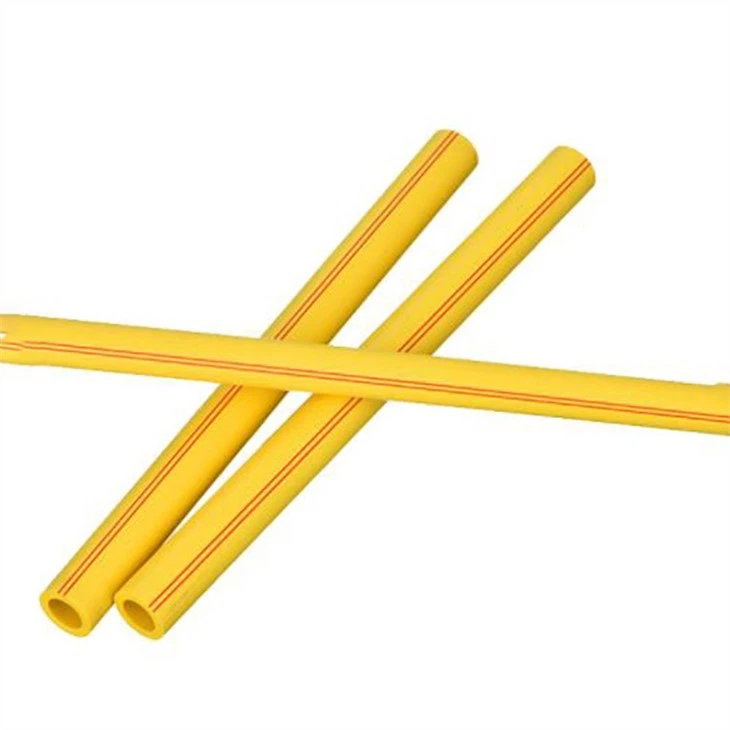
PPR, or Polypropylene Random Copolymer, is a type of plastic material used to manufacture pipes. PPR pipes are known for their excellent heat resistance, corrosion resistance, and long - term durability. They are widely used in both residential and commercial plumbing systems for hot and cold water supply.
One of the key advantages of PPR pipes is their smooth inner surface. This smoothness reduces friction, which in turn minimizes pressure loss during water flow. As a result, water can be transported more efficiently through the pipes, leading to lower energy consumption.
Comparison with Metal Pipes
Copper Pipes
Copper pipes have been a popular choice for plumbing systems for many years. They are known for their high durability and excellent heat conductivity. However, copper pipes come with a relatively high cost. The price of copper is subject to market fluctuations, which can make the overall installation cost unpredictable.
In contrast, PPR pipes are much more cost - effective. The raw material for PPR pipes is less expensive, and the installation process is also simpler. PPR pipes can be joined using heat fusion, which creates a seamless and leak - proof connection. This installation method is faster and requires less specialized skills compared to soldering copper pipes.
Another issue with copper pipes is corrosion. Although copper is generally resistant to corrosion, it can still corrode in certain water conditions, such as water with a low pH level. PPR pipes, on the other hand, are highly resistant to corrosion, making them a better choice for areas with aggressive water chemistry.
Galvanized Steel Pipes
Galvanized steel pipes were once commonly used in plumbing systems. They are strong and can withstand high pressure. However, over time, the zinc coating on galvanized steel pipes can wear off, leading to corrosion. Corroded pipes can release rust particles into the water, which not only affects the water quality but also reduces the pipe's lifespan.
PPR pipes do not have this problem. They are made of a non - metallic material that is immune to rust and corrosion. Additionally, galvanized steel pipes are heavier and more difficult to install compared to PPR pipes. The weight of galvanized steel pipes can put more stress on the building structure, while PPR pipes are lightweight and easy to handle.
Comparison with PVC Pipes
Rigid PVC Pipes
Rigid PVC (Polyvinyl Chloride) pipes are widely used in drainage systems and some cold - water supply applications. They are inexpensive and easy to install. However, PVC pipes have limitations when it comes to heat resistance. They are not suitable for hot - water supply because they can deform or even melt at relatively high temperatures.
PPR pipes, as mentioned earlier, have excellent heat resistance. They can withstand high - temperature water for long periods without deforming. This makes PPR pipes a better choice for both hot and cold - water supply systems in residential and commercial buildings.
Another difference is the chemical resistance. While PVC pipes are resistant to many chemicals, PPR pipes have a broader range of chemical resistance. This makes PPR pipes more suitable for applications where the water may contain various chemicals or additives.
Advantages of PPR Pipes
- Long - term Durability: PPR pipes have a long service life, often exceeding 50 years. This long - term durability reduces the need for frequent pipe replacements, saving both time and money in the long run.
- Hygienic: PPR pipes are non - toxic and do not release any harmful substances into the water. This makes them a safe choice for drinking water supply systems.
- Energy Efficiency: The smooth inner surface of PPR pipes reduces friction and pressure loss, which helps to conserve energy during water transportation.
Where to Find High - Quality PPR Pipes
If you are interested in purchasing high - quality PPR pipes, you can visit our websites Plastic Polypropylene Pipes, Plastic Pipe Polypropylene, and Plastic Pipe Ppr. These pages provide detailed information about our PPR pipe products, including specifications, sizes, and applications.
Contact Us for Procurement
If you are considering using PPR pipes for your next project, we encourage you to contact us for a detailed discussion. Our experienced team can provide you with professional advice on pipe selection, installation, and maintenance. Whether you are a contractor, a builder, or a homeowner, we are committed to providing you with the best - quality PPR pipes and excellent customer service. Reach out to us to start the procurement process and find the perfect piping solution for your needs.

References
- "Handbook of Plastic Pipe Systems" by Michael W. P. Clegg
- "Plumbing Engineering Design and Practice" by CIBSE (Chartered Institution of Building Services Engineers)


