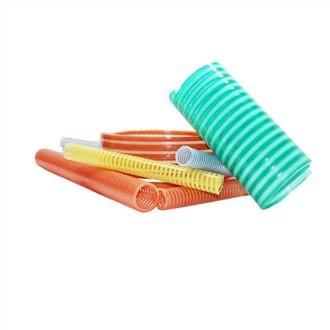
Are PVC pipes safe for aquariums? That's a question I get asked a lot as a PVC pipe supplier. I've seen a lot of folks scratching their heads over this one, so I thought I'd take a deep dive into the topic and share what I know.
Let's start with the basics. PVC, or polyvinyl chloride, is a type of plastic that's widely used in all sorts of applications, from plumbing to construction. It's strong, durable, and relatively inexpensive, which makes it a popular choice for aquarium setups. But just because it's popular doesn't mean it's automatically safe for your fishy friends.
One of the main concerns people have about using PVC pipes in aquariums is the potential for chemicals to leach into the water. PVC is made with a variety of additives, including plasticizers, stabilizers, and pigments, which can sometimes break down over time and release harmful substances into the environment. These substances can include heavy metals, such as lead and cadmium, as well as phthalates, which are a type of endocrine disruptor that can interfere with the hormonal systems of animals.
However, not all PVC pipes are created equal. The safety of a PVC pipe depends on a number of factors, including the quality of the materials used, the manufacturing process, and the intended use of the pipe. In general, pipes that are specifically designed for use in aquariums are made with high-quality materials and are tested to ensure that they meet strict safety standards. These pipes are typically labeled as "aquarium-safe" or "food-grade," which means that they are free from harmful chemicals and are safe for use in contact with water and living organisms.
So, how can you tell if a PVC pipe is safe for your aquarium? The first thing you should do is look for a label or certification that indicates that the pipe is aquarium-safe. This could be a stamp or logo on the pipe itself, or it could be a statement on the packaging or product literature. You can also check with the manufacturer or supplier to see if they have any information about the safety of the pipe.
Another important factor to consider is the age and condition of the pipe. Over time, PVC pipes can become brittle and crack, which can increase the risk of chemicals leaching into the water. If you're using an old or damaged pipe in your aquarium, it's a good idea to replace it with a new one to ensure the safety of your fish.
In addition to choosing a safe PVC pipe, it's also important to install and maintain it properly. Make sure that the pipe is clean and free from debris before you install it in your aquarium, and use a high-quality adhesive or sealant to ensure a tight fit. You should also avoid using any sharp objects or tools that could damage the pipe, as this could increase the risk of chemicals leaching into the water.
Once you've installed your PVC pipe in your aquarium, it's a good idea to monitor the water quality regularly to make sure that there are no signs of contamination. You can do this by testing the water for pH, ammonia, nitrite, and nitrate levels, as well as for the presence of any heavy metals or other harmful substances. If you notice any changes in the water quality or if your fish start to show signs of illness, it's important to take action immediately to address the problem.


Now, let's talk about some of the benefits of using PVC pipes in aquariums. One of the biggest advantages of PVC pipes is their versatility. PVC pipes come in a variety of sizes and shapes, which makes them easy to customize and install in your aquarium. You can use PVC pipes to create a variety of different structures, such as filters, waterfalls, and hiding places for your fish.
Another benefit of PVC pipes is their durability. PVC pipes are strong and resistant to corrosion, which means that they can last for a long time in your aquarium. This can save you money in the long run, as you won't have to replace your pipes as often.
Finally, PVC pipes are relatively inexpensive compared to other types of materials, such as glass or acrylic. This makes them a great option for hobbyists who are on a budget or who are just starting out with their aquarium.
If you're interested in using PVC pipes in your aquarium, I've got some great options for you. Check out our Plastic 20 ft Pvc Pipe, which is a great choice for creating long runs of piping in your aquarium. We also have a Hard 18 Inch Diameter Pvc Pipe, which is perfect for creating large structures or filters. And if you need a really big pipe, our 4 Foot Diameter Plastic Pipe is the way to go.
In conclusion, PVC pipes can be a safe and effective option for aquariums, as long as you choose a high-quality, aquarium-safe pipe and install and maintain it properly. By following these tips, you can ensure the safety of your fish and create a beautiful and functional aquarium that you'll enjoy for years to come.
If you have any questions or if you're interested in purchasing PVC pipes for your aquarium, please don't hesitate to contact us. We're here to help you find the right products for your needs and to answer any questions you may have. Let's start a conversation about your aquarium project and see how we can work together to make it a success.
References:
- "Aquarium Safety: PVC Pipes." The Spruce Pets, https://www.thesprucepets.com/are-pvc-pipes-safe-for-aquariums-1381473.
- "PVC Pipe for Aquariums: Is It Safe?" Aquarium Co-Op, https://www.aquariumcoop.com/blogs/aquarium/pvc-pipe-for-aquariums.
- "The Safety of PVC Pipes in Aquariums." Fishkeeping World, https://fishkeepingworld.com/pvc-pipes-in-aquariums/.