Are HDPE Pipes Suitable for Water Supply in Rural Areas?
As a supplier of HDPE pipes, I've been closely involved in the water - supply industry and have witnessed the evolution of piping materials over the years. HDPE, or High - Density Polyethylene, has emerged as a prominent choice for various applications, including water supply in both urban and rural settings. In this blog, I'll delve into whether HDPE pipes are truly suitable for water supply in rural areas.
1. Durability and Longevity
One of the primary concerns in rural water supply systems is the durability of the pipes. Rural areas often have challenging environmental conditions, such as extreme temperatures, rough terrains, and exposure to natural elements. HDPE pipes are well - known for their exceptional durability. They are resistant to corrosion, which is a major issue in areas where the water may have a high mineral content or be acidic. Unlike metal pipes, HDPE pipes do not rust or corrode over time, ensuring a long - lasting water supply infrastructure.
HDPE pipes also have excellent impact resistance. In rural areas, where heavy machinery or livestock might accidentally come into contact with the pipes, this feature is crucial. These pipes can withstand significant external forces without cracking or breaking, reducing the risk of water leaks and the need for frequent repairs. For example, if a tractor accidentally drives over a buried HDPE pipe, it is likely to remain intact, whereas a brittle pipe material might shatter.
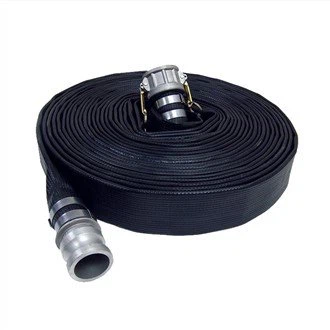
The longevity of HDPE pipes is another advantage. They can have a service life of up to 50 years or more, which is a significant benefit for rural communities with limited budgets for infrastructure replacement. This long lifespan means that once the HDPE pipes are installed, the community can rely on a stable water supply for decades. You can learn more about our durable HDPE pipes, like the High Density Polyethylene Black Hose, which is designed to meet these durability requirements.
2. Flexibility and Ease of Installation
Rural areas often have diverse and sometimes difficult terrains, such as hilly landscapes or areas with rocky soil. HDPE pipes are highly flexible, which makes them easier to install in such challenging environments. They can be bent to a certain degree without the need for additional fittings, reducing the number of joints in the pipeline. Fewer joints mean fewer potential leak points, enhancing the overall reliability of the water supply system.
The lightweight nature of HDPE pipes also simplifies the installation process. In rural areas where access to heavy - lifting equipment may be limited, the ease of handling these pipes is a significant advantage. Workers can transport and install the pipes with relative ease, reducing labor costs and installation time. For instance, compared to concrete pipes, which are extremely heavy and require specialized equipment for installation, HDPE pipes can be quickly maneuvered into place. Our HDPE 4 Inch Irrigation Pipe is a great example of a flexible and easy - to - install HDPE product suitable for rural water supply projects.
3. Chemical Resistance
Rural water sources can vary widely in terms of their chemical composition. Some water may contain high levels of chemicals, such as pesticides or fertilizers, especially in agricultural areas. HDPE pipes are highly resistant to a wide range of chemicals, making them suitable for transporting water from these diverse sources. They do not react with the chemicals in the water, ensuring that the water quality remains unaffected during transportation.
This chemical resistance also means that HDPE pipes can be used in areas where the soil has a high content of corrosive substances. The pipes will not degrade due to contact with the soil, maintaining the integrity of the water supply system. For example, in areas with acidic soil, HDPE pipes can withstand the corrosive effects that would quickly damage other types of pipes.
4. Cost - Effectiveness
Cost is a crucial factor in rural water supply projects. HDPE pipes offer a cost - effective solution in several ways. Firstly, their initial purchase price is often lower than that of some traditional pipe materials, such as copper or stainless steel. This lower upfront cost is beneficial for rural communities with limited financial resources.


Secondly, the installation costs of HDPE pipes are relatively low due to their lightweight and ease of installation. As mentioned earlier, fewer fittings are required, and the pipes can be installed more quickly, reducing labor costs. Additionally, the long - term maintenance costs are minimal because of their durability and resistance to corrosion. Over the lifespan of the pipes, the total cost of ownership of HDPE pipes is often much lower compared to other materials. Our Green Pipe Ppr is an affordable option that provides excellent value for rural water supply projects.
5. Water Quality
Maintaining good water quality is essential for the health of rural communities. HDPE pipes are non - toxic and do not leach harmful substances into the water. They have a smooth inner surface, which reduces the accumulation of sediment and bacteria. This smooth surface also allows for better water flow, reducing the risk of stagnant water and the growth of harmful microorganisms.
In addition, HDPE pipes are resistant to biofouling, which is the growth of biological organisms on the inner surface of the pipes. This means that the water remains clean and safe for consumption as it travels through the pipeline. Rural communities often rely on a single water source for drinking, cooking, and other domestic uses, so ensuring water quality is of utmost importance.
Potential Challenges
While HDPE pipes have many advantages for rural water supply, there are also some potential challenges. One issue is the susceptibility to UV radiation. If the pipes are exposed to sunlight for extended periods, the UV rays can degrade the material over time. However, this can be easily mitigated by burying the pipes underground or using UV - stabilized HDPE pipes.
Another challenge is the need for proper installation techniques. Although HDPE pipes are relatively easy to install, incorrect installation can lead to problems such as leaks or pipe failure. It is important to ensure that the pipes are installed by trained professionals who follow the manufacturer's guidelines.
In conclusion, HDPE pipes are highly suitable for water supply in rural areas. Their durability, flexibility, chemical resistance, cost - effectiveness, and ability to maintain water quality make them an ideal choice for rural water infrastructure projects. If your rural community is in need of a reliable water supply solution, I encourage you to consider our range of HDPE pipes. We are committed to providing high - quality products and excellent customer service. If you are interested in learning more or discussing a potential purchase, please feel free to reach out for a detailed consultation.
References
- American Water Works Association. (2016). "M55: Installation of HDPE Pipe for Water and Other Fluids".
- Plastics Pipe Institute. (2018). "HDPE Pipe Handbook".