Quick fitting, also known as quick coupling or quick disconnect fitting, is a device used to provide a fast, make/break connection of fluid transfer lines. As a supplier of quick fittings, I have in - depth knowledge of various connection methods. In this blog, I will explore the different connection methods of quick fitting, their characteristics, and applications.
Threaded Connections
Threaded connections are one of the most common methods for quick fittings. They work by screwing the male and female threads together to create a tight seal. There are different types of threads used in quick fittings, such as NPT (National Pipe Thread), BSP (British Standard Pipe), and metric threads.
NPT threads are widely used in North America. They are tapered threads, which means the diameter of the thread changes along its length. This taper helps to create a seal as the threads are tightened. When using NPT - threaded quick fittings, it is often necessary to use thread sealant to prevent leakage. For example, in many industrial fluid transfer applications, like the transfer of water, oil, or gas in pipelines, NPT - threaded quick fittings are a popular choice.
BSP threads are commonly used in Europe and other parts of the world. There are two types of BSP threads: BSPP (British Standard Pipe Parallel) and BSPT (British Standard Pipe Taper). BSPP threads are parallel, and a gasket or O - ring is usually required to create a seal. BSPT threads are tapered, similar to NPT, and can create a seal without additional sealing materials in some cases.
Metric threads are used in many countries following the metric system. They are precise and are often used in applications where high - precision connections are required, such as in some high - tech manufacturing processes.
One of the advantages of threaded connections is their simplicity and reliability. They can be easily installed and removed with basic tools. However, they may require some time to screw and unscrew, especially when dealing with large - diameter fittings. Also, over - tightening or under - tightening the threads can lead to leakage problems.
Cam and Groove Connections
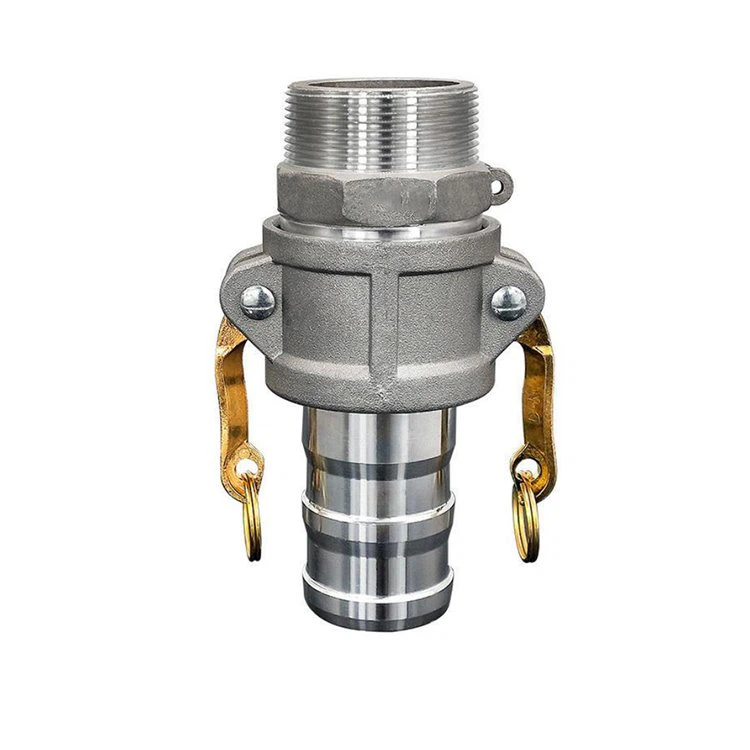
Cam and groove connections are another popular method for quick fittings. They consist of a male adapter with two cam arms and a female coupler with a groove. To connect the two parts, the male adapter is inserted into the female coupler, and the cam arms are then rotated down into the groove, locking the connection in place.
Cam and groove connections are known for their quick and easy installation. They can be connected and disconnected in a matter of seconds, which is very useful in applications where frequent connections and disconnections are required. For example, in the transportation of liquids such as fuel, water, or chemicals, cam and groove quick fittings are often used. They are also commonly used in the agricultural industry for the transfer of fertilizers and pesticides.
There are different materials available for cam and groove fittings, including stainless steel, aluminum, and polypropylene. Stainless steel fittings are durable and resistant to corrosion, making them suitable for harsh environments. Aluminum fittings are lightweight and cost - effective, while polypropylene fittings are chemical - resistant and are often used in applications involving corrosive chemicals. You can find a wide range of cam and groove fittings on our website, such as Quickly PVC Camlock Fittings.
Push - to - Connect Fittings
Push - to - connect fittings are a relatively new type of quick fitting connection method. They work by simply pushing the tubing into the fitting until it clicks into place. The fitting has a collet or a locking mechanism that holds the tubing securely.
Push - to - connect fittings are extremely easy to install. No tools are required, which makes them ideal for DIY projects and applications where time is of the essence. They are commonly used in pneumatic systems, such as in air compressors and air tools. In these systems, quick and easy connection and disconnection of air lines are necessary for maintenance and operation.
They are also used in some water - based systems, such as in plumbing and irrigation. However, the maximum pressure and temperature ratings of push - to - connect fittings are usually lower compared to threaded or cam and groove fittings. So, they are more suitable for low - pressure and low - temperature applications.
Hose Barb Connections
Hose barb connections involve inserting a hose over a barbed fitting. The barbs on the fitting grip the inside of the hose, creating a secure connection. A hose clamp is often used to further secure the hose to the fitting.
Hose barb connections are simple and cost - effective. They are widely used in a variety of applications, from small - scale home plumbing projects to large - scale industrial fluid transfer. For example, in a garden hose connection, a hose barb fitting is commonly used to connect the hose to a faucet or a sprinkler.
In industrial settings, hose barb connections are used for the transfer of various fluids, such as coolant in automotive engines or lubricants in machinery. However, the connection strength of hose barb fittings depends on the quality of the hose and the tightness of the hose clamp. If the hose is not properly installed or the clamp is loose, it can lead to leakage.
Compression Connections
Compression connections use a compression nut and a ferrule to create a seal. The ferrule is placed over the tubing, and the compression nut is tightened onto the fitting body. As the nut is tightened, the ferrule is compressed against the tubing and the fitting body, creating a tight seal.
Compression connections are known for their reliability and leak - proof performance. They are commonly used in high - pressure applications, such as in hydraulic systems. In hydraulic systems, where high - pressure fluids are transferred, a reliable connection is crucial to prevent system failures.
They are also used in some gas - handling applications, such as in natural gas pipelines. However, compression connections require some skill to install correctly. If the nut is over - tightened or under - tightened, or if the ferrule is not properly seated, it can lead to leakage.
Layflat Hose Connectors
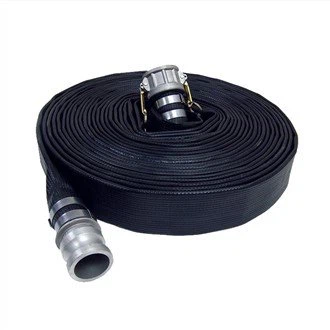
Layflat hoses are widely used in various industries, and 2 Inch Layflat Hose Connector is a common type of quick fitting for them. Layflat hose connectors are designed to quickly and securely connect layflat hoses. They can use different connection methods, such as cam and groove or threaded connections, depending on the specific application.

Layflat hoses are often used in irrigation, flood control, and water transfer applications. The quick - fitting connectors for layflat hoses allow for easy installation and disassembly, which is very convenient when setting up or moving the hoses.
Conclusion
As a supplier of quick fittings, I understand that different connection methods have their own advantages and disadvantages. The choice of connection method depends on various factors, such as the type of fluid being transferred, the pressure and temperature of the system, the frequency of connection and disconnection, and the specific application requirements.
Whether you need threaded, cam and groove, push - to - connect, hose barb, compression, or layflat hose connectors, we have a wide range of products to meet your needs. If you are interested in our quick fitting products, I encourage you to contact us for procurement and further discussion. We are committed to providing high - quality products and excellent customer service.
References
- ASME B1.20.1 - Pipe Threads, General Purpose (Inch)
- ISO 228 - 1 - Pipe threads where pressure - tight joints are not made on the threads -- Part 1: Dimensions, tolerances and designation
- BS 21 - Pipe threads for pipes, fittings and valves where pressure - tight joints are made on the threads