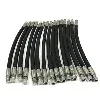
Plastic hoses are widely used in food, chemical, waste water, ships, cosmetics and so on. Because of its low price, it is favored by major manufacturers. Choosing the correct material for plastic hoses is a skill that technical engineers need to master. A brief introduction to the plastic hoses of TPE, TPU and PU, hoping to help customers in the selection of plastic hoses.
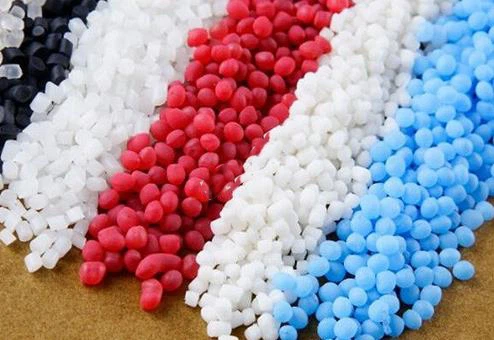
What is TPE?
TPE (Thermoplastic Elastomer) is a thermoplastic elastomer material. It not only has the high elasticity, high strength and high resilience of rubber, but also has the characteristics of injection molding. It is also environmentally friendly, non-toxic and safe, with a wide range of hardness. Excellent colorability, soft touch, weather resistance, fatigue resistance and temperature resistance.
TPE material has excellent processing performance, does not require vulcanization, and can be recycled to reduce costs. It can be molded by secondary injection molding, covered and bonded with matrix materials such as PP, PE, PC, PS, and ABS, or can be molded separately.
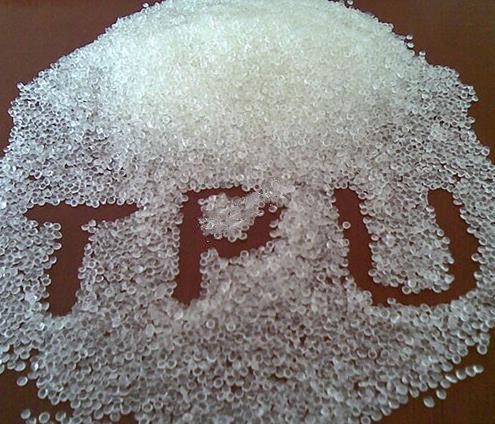
What is PU?
PU (polyurethane), polyurethane material, is the abbreviation of polyurethane, which is a kind of polymer material. PU is an emerging organic polymer material, known as the "fifth largest plastic", and is widely used in many fields of the national economy because of its excellent performance.
The application field of PU material products is laser, involving knife light industry, chemical industry, electronics, textile, medical treatment, construction, building materials, automobile, national defense, aerospace, aviation, etc.
What is TPU?
The PU mentioned above is actually the raw material for the production of TPU. PU can be subdivided into: CPU (cast polyurethane elastomer), TPU (thermoplastic polyurethane elastomer), MPU (mixed polyurethane elastomer) according to the processing technology.
TPU (Thermoplasticpolyurethanes) name is thermoplastic polyurethane elastomer rubber, which is mainly divided into two types: polyester type and polyether type. Because TPU has a wide range of hardness (60HA-85HD), wear resistance, oil resistance, transparency, and good elasticity, it has been widely used, such as daily necessities, sporting goods, toys, decorative materials, etc.
It is worth mentioning that many fields need to meet environmental protection requirements, and PVC material may not meet the requirements, so halogen-free flame retardant TPU can be perfectly replaced.
What is the difference between TPE and TPU?
1. Incineration: TPE material has a pleasant aroma when incinerated, while TPU material belongs to polyurethane, which has a slight effect on the odor of ammonia. At the same time, there is a slight blasting sound when TPU is incinerated;
2. Strength and wear resistance: TPU has high strength and good wear resistance, which is obviously better than TPE material;
3. Softness: TPE material has a wide range of hardness (0A-90A), while TPU material has a lower hardness above 60A, so TPE material feels better, and TPU material feels harder.