







Hydraulic Hose Fittings
Hydraulic hose fittings are a vital component of hydraulic systems. They are responsible for connecting hydraulic hoses and other hydraulic components to ensure efficient and safe transmission of fluids. Understanding the types, functions, and selection methods of hydraulic hose fittings can help improve the performance and reliability of hydraulic systems. This article will introduce various aspects of hydraulic hose fittings in detail.
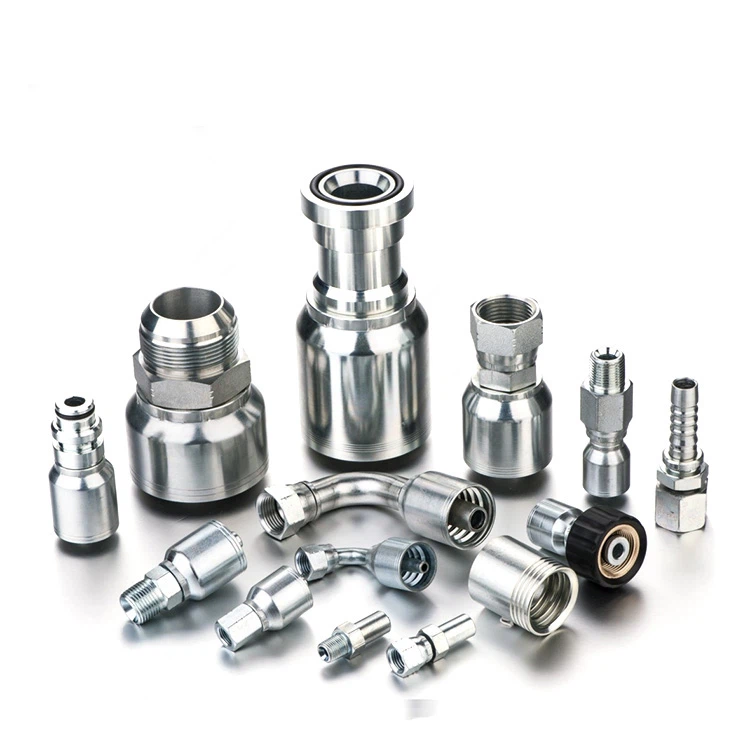
There are many types of hydraulic hose fittings. According to their connection methods and application scenarios, they can be mainly divided into the following categories:
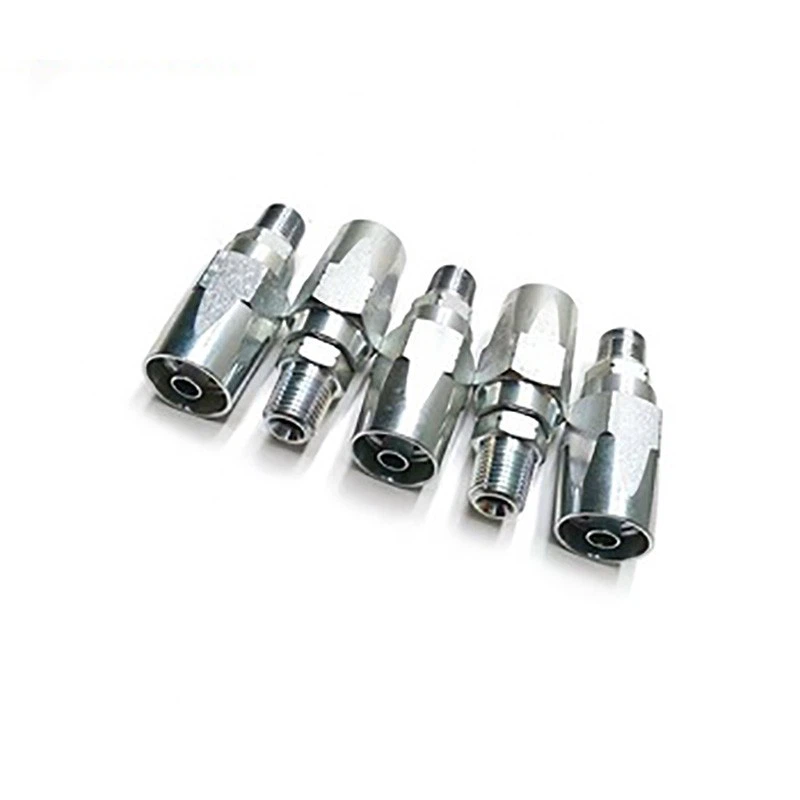
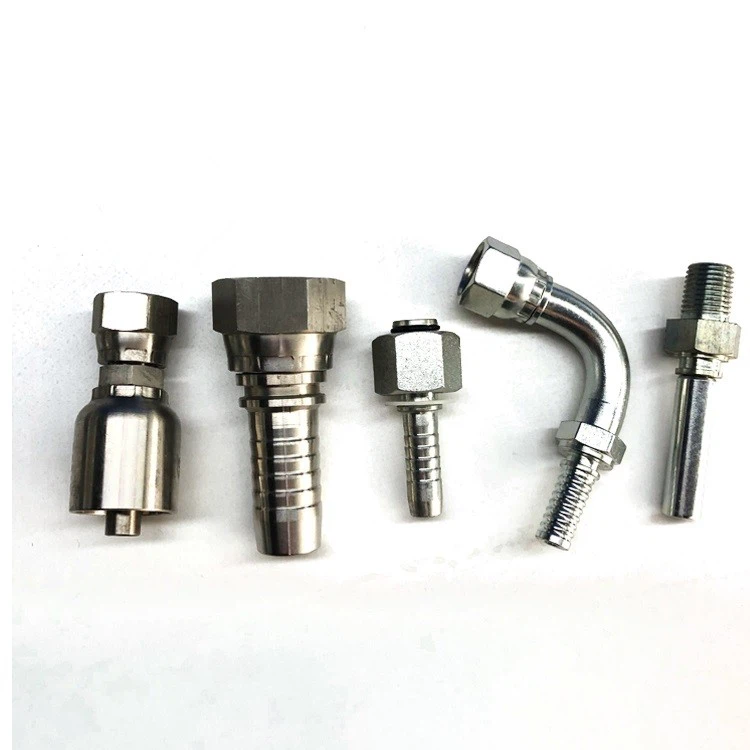
1. Straight Fittings: This type of fitting is used to connect two sections of hydraulic hoses together, or to connect hoses with other hydraulic components. Straight fittings have the characteristics of simple design and convenient installation, and are often used in situations where straight connections are required.
2. Elbow Fittings: Elbow fittings are usually divided into 45-degree and 90-degree types, and are used in places where the direction needs to be changed in hydraulic pipelines. Elbow fittings can reduce the bending stress of the hose and extend the service life of the hose.
3. Tee Fittings: Tee fittings are used to divide a hydraulic pipeline into two, or to merge two hydraulic pipelines together. They are often used in complex hydraulic systems to achieve multi-line connections.
4. Flange Fittings: Flange fittings fix hydraulic hoses to hydraulic equipment through bolts and nuts. They have high strength and high sealing performance and are suitable for the connection of high-pressure and large-diameter pipelines.
5. Quick-Disconnect Fittings: Quick-disconnect fittings are designed for occasions where frequent connection and disconnection are required. They can quickly connect or disconnect hydraulic hoses without using tools to improve operating efficiency.
Hydraulic hose fittings are usually made of the following materials, each with different performance characteristics and suitable for different application environments:
1. Carbon steel: Carbon steel fittings have high strength and durability and are suitable for most industrial applications. The disadvantage is that they are easy to rust and require surface treatment such as galvanizing or painting.
2. Stainless steel: Stainless steel fittings have excellent corrosion resistance and high strength and are suitable for environments such as marine, chemical and food that require high hygiene standards and corrosion resistance.
3. Brass: Brass fittings have good corrosion resistance and machinability and are often used in low-pressure systems and pneumatic systems, but they have low strength and are not suitable for high-pressure occasions.
4. Aluminum alloy: Aluminum alloy connectors are lightweight and corrosion-resistant, making them suitable for applications with strict weight requirements, such as aviation and aerospace applications, but their strength and wear resistance are not as good as carbon steel and stainless steel.
Selecting the right hydraulic hose connector is essential to ensure the safety and efficiency of the hydraulic system. Several factors need to be considered when selecting:
1. Working pressure: The rated pressure of the connector must be higher than or equal to the working pressure of the system to ensure a safe and reliable connection.
2. Media compatibility: The connector material must be compatible with the hydraulic medium to avoid corrosion and degradation.
3. Temperature range: The material and design of the connector should be adapted to the operating temperature range of the system to prevent leakage or damage caused by temperature changes.
4. Installation space: Select connectors of appropriate shape and size according to the space limitations of the system to ensure easy installation and safe operation.
5. Connection type: Select the connection type (such as straight, elbow, tee, etc.) that suits the specific application requirements to optimize the system layout and fluid dynamic performance.
In order to extend the service life of hydraulic hose connectors and ensure the stable operation of the hydraulic system, regular maintenance and care are essential:
1. Regular inspection: Check the connectors regularly for wear, corrosion or leakage, and replace the problematic connectors in time.
2. Keep clean: Keep the connectors and connection parts clean to prevent impurities and dirt from entering the hydraulic system, causing blockage and wear.
3. Correct installation: Install the connectors correctly according to the installation guide provided by the manufacturer to avoid leakage and damage caused by over-tightening or improper installation.
4. Regular lubrication: For connectors that need lubrication, apply appropriate lubricants regularly to reduce wear and extend service life.
5. Storage and maintenance: Unused connectors should be stored in a dry and clean environment to avoid moisture and contamination.
Hydraulic hose connectors play a key role in hydraulic systems, and their selection and maintenance directly affect the performance and reliability of the system. By understanding the type, material and selection method of the connectors, as well as performing regular maintenance and care, you can ensure the efficient and safe operation of the hydraulic system.


Hot Tags: hydraulic hose fittings, China, suppliers, manufacturers, factory, low price, 50mm PVC Flexible High Pressure Hose, Plastic Pipe Ppr, PVC Water Air Hose, High Pressure Power Washer Hose Pipe, Braided Fuel Line Hose, 1 Layer Steel Wire Braid Hyraulic Hose Pipe SAE 1SC
Previous
No InformationYou Might Also Like




Send Inquiry