Hey there! As an industrial hose supplier, I often get asked about the working pressure range of industrial hoses. It's a crucial topic because using the right hose with the appropriate pressure rating can prevent accidents, ensure efficient operations, and save you a ton of money in the long run. So, let's dive right in and explore this topic in detail.
Understanding Working Pressure
First off, what exactly is working pressure? Well, it's the maximum pressure that a hose can handle continuously during normal operation. This pressure is measured in pounds per square inch (psi), bars, or pascals (Pa). It's important to note that the working pressure is different from the burst pressure, which is the pressure at which the hose will fail catastrophically.
The working pressure of an industrial hose depends on several factors, including the type of hose, its construction, the materials used, and the application. For example, a hose used in a low-pressure water transfer application will have a much lower working pressure rating than a hose used in a high-pressure hydraulic system.
Types of Industrial Hoses and Their Pressure Ranges
1. Hydraulic Hoses
Hydraulic hoses are used in a wide range of applications, from construction equipment to industrial machinery. These hoses need to withstand high pressures to transfer hydraulic fluid effectively. The working pressure range of hydraulic hoses can vary significantly, from around 1,000 psi for low-pressure applications to over 10,000 psi for high-pressure systems.
The construction of hydraulic hoses plays a crucial role in determining their pressure rating. Most hydraulic hoses have multiple layers, including an inner tube, reinforcement layers, and an outer cover. The reinforcement layers can be made of materials such as steel wire, synthetic fibers, or a combination of both. The more reinforcement layers a hose has, the higher its pressure rating will be.
2. Chemical Hoses
Chemical hoses are designed to handle a variety of chemicals, including acids, alkalis, and solvents. The working pressure range of chemical hoses depends on the type of chemical being transferred and the hose's construction. Generally, chemical hoses have a working pressure range of 100 to 1,000 psi.
The inner tube of a chemical hose is made of a material that is resistant to the chemicals being transferred. This can include materials such as PTFE (polytetrafluoroethylene), PVC (polyvinyl chloride), or rubber. The reinforcement layers and outer cover of the hose are also designed to provide additional protection and strength.

3. Fuel Hoses
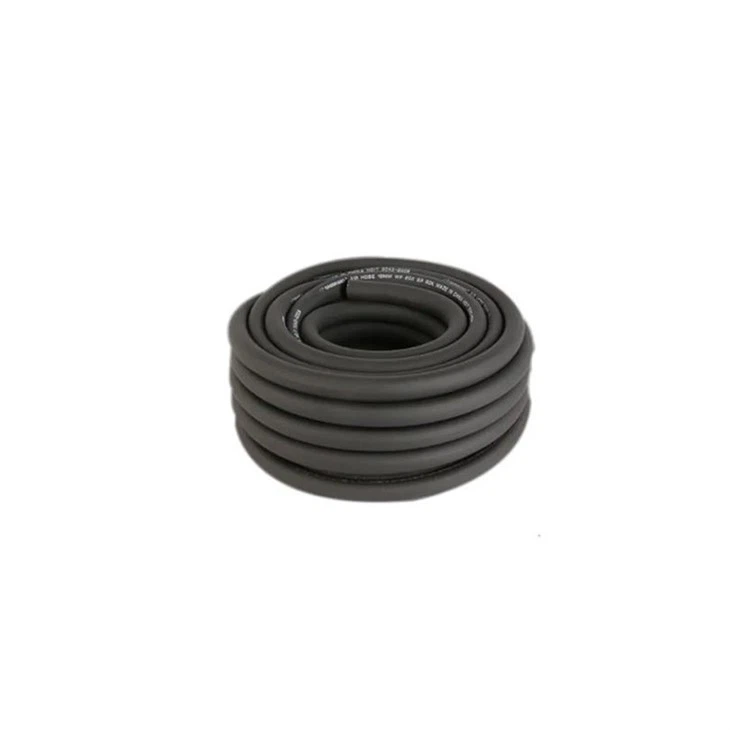
Fuel hoses are used to transfer gasoline, diesel, and other fuels. These hoses need to be able to withstand the pressure of the fuel system and prevent leaks. The working pressure range of fuel hoses typically ranges from 10 to 100 psi.
There are different types of fuel hoses available, depending on the application. For example, High Pressure Fuel Hose is designed for use in high-pressure fuel injection systems, while Fuel Hose Gasoline is suitable for low-pressure applications such as fuel transfer.
4. Air Hoses
Air hoses are used to transfer compressed air in a variety of applications, from pneumatic tools to industrial air systems. The working pressure range of air hoses can vary from around 100 to 300 psi.
Air hoses are typically made of rubber or PVC and have a single or double reinforcement layer. The reinforcement layer provides strength and prevents the hose from bursting under pressure.
Choosing the Right Hose for Your Application
When choosing an industrial hose, it's essential to consider the working pressure requirements of your application. Using a hose with a lower pressure rating than required can lead to hose failure, leaks, and potential safety hazards. On the other hand, using a hose with a much higher pressure rating than necessary can be expensive and may not be the most efficient solution.
Here are some steps to help you choose the right hose for your application:
- Determine the working pressure: Calculate the maximum pressure that the hose will be subjected to during normal operation. This can be done by consulting the equipment manufacturer's specifications or by measuring the pressure using a pressure gauge.
- Consider the application: Different applications have different requirements. For example, a hose used in a chemical transfer application will need to be resistant to the chemicals being transferred, while a hose used in a high-pressure hydraulic system will need to have a high-pressure rating.
- Choose the right hose type: Based on the working pressure and application requirements, choose the appropriate type of hose. There are many different types of industrial hoses available, each with its own unique properties and pressure ratings.
- Check the hose specifications: Before purchasing a hose, check the manufacturer's specifications to ensure that it meets your requirements. This includes the working pressure rating, temperature range, chemical compatibility, and other important factors.
Our Industrial Hose Offerings
As an industrial hose supplier, we offer a wide range of hoses to meet the needs of different applications. Our hoses are made from high-quality materials and are designed to provide reliable performance and long service life.
One of our popular products is the 4'' Black Nitrile Hose. This hose is made of nitrile rubber, which is resistant to oil, fuel, and many chemicals. It has a working pressure range of up to 150 psi and is suitable for a variety of applications, including fuel transfer, oil transfer, and chemical transfer.
We also offer a range of high-pressure hoses, including High Pressure Fuel Hose and hydraulic hoses. These hoses are designed to withstand high pressures and are suitable for use in demanding applications.
Conclusion
In conclusion, the working pressure range of industrial hoses is an important factor to consider when choosing a hose for your application. Different types of hoses have different pressure ratings, depending on their construction, materials, and application. By understanding the working pressure requirements of your application and choosing the right hose, you can ensure safe and efficient operation.
If you're in the market for industrial hoses, we'd love to help you find the right solution for your needs. Contact us today to discuss your requirements and get a quote. We're here to provide you with high-quality hoses and excellent customer service.
References
- "Industrial Hose Handbook," published by the Hose Manufacturers Institute.
- Various technical specifications provided by industrial hose manufacturers.