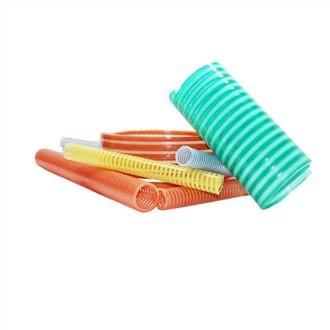
Hey there! As a supplier of LPG hoses, I've gotten a lot of questions about the static charge dissipation ability of these hoses. So, I thought I'd take a few minutes to break it down for you.
First off, let's talk about what static charge is. Static charge is an imbalance of electric charges within or on the surface of a material. It can build up when two materials rub against each other, or when there's a separation of charges due to things like friction, induction, or conduction. In the context of LPG hoses, static charge can be a big deal because LPG (liquefied petroleum gas) is highly flammable. If there's a static charge build - up and a spark occurs, it could potentially lead to a fire or explosion.
So, what does the static charge dissipation ability of an LPG hose mean? Simply put, it's the hose's ability to safely and effectively get rid of any static charge that builds up on it. A good LPG hose should have a high static charge dissipation ability to minimize the risk of a dangerous situation.
There are a few factors that can affect an LPG hose's static charge dissipation ability. One of the main ones is the material the hose is made of. Some materials are better at conducting electricity than others, which means they can help dissipate static charge more easily. For example, hoses made with conductive polymers or those that have conductive additives in their construction are often more effective at getting rid of static.


Another factor is the design of the hose. Hoses with a continuous conductive path, from one end to the other, are better at allowing static charge to flow through and dissipate. This could involve having a conductive layer or lining within the hose that helps carry the charge away.
Now, let's dive a bit deeper into why the static charge dissipation ability is so important. When LPG is flowing through a hose, friction between the gas and the inner walls of the hose can cause a static charge to build up. If this static charge can't be dissipated properly, it can reach a point where it discharges in the form of a spark. And as I mentioned earlier, since LPG is flammable, a spark in the presence of this gas can be extremely dangerous.
In industrial and commercial settings where LPG is used, such as in kitchens, welding operations, and gas - powered equipment, having hoses with good static charge dissipation ability is crucial for safety. It's also a requirement in many safety standards and regulations. For instance, in some countries, LPG hoses must meet certain conductivity and static dissipation requirements to be used legally.
As a supplier, I make sure that all the LPG hoses we offer have excellent static charge dissipation abilities. We source hoses from manufacturers that prioritize safety and quality. Our Cooking Gas Hose is designed with high - quality conductive materials to ensure that any static charge is quickly and safely dissipated. This is especially important in kitchen settings where there's a constant flow of LPG for cooking purposes.
Our Retractable Medical Oxygen Hose Reel, while mainly used for medical oxygen, also follows strict safety standards. Even though it's not directly related to LPG, the principle of static charge dissipation is still important. In a medical environment, any potential spark could have serious consequences, so we ensure that the hose on the reel has good static dissipation properties.
And our Lpg Gas Connector Hose is another product where static charge dissipation is a top priority. This hose is often used to connect LPG cylinders to appliances, and any static charge build - up during the connection or disconnection process could be a hazard. So, we've made sure that it's designed to handle and dissipate static effectively.
If you're in the market for LPG hoses, there are a few things you can look for to assess the static charge dissipation ability. First, check if the hose meets relevant safety standards. These standards often have specific requirements for conductivity, which is a key indicator of a hose's ability to dissipate static. You can also ask the supplier about the materials used in the hose and if there are any conductive additives or layers.
In conclusion, the static charge dissipation ability of an LPG hose is a critical factor in ensuring safety. Whether you're using LPG in a home kitchen, a commercial cooking establishment, or an industrial setting, having hoses that can effectively get rid of static charge is non - negotiable.
If you're interested in purchasing high - quality LPG hoses with excellent static charge dissipation abilities, we'd love to talk to you. Whether you have questions about the products, need help with sizing, or want to discuss bulk orders, we're here to assist. Reach out to us, and let's start the conversation about how our LPG hoses can meet your needs.
References:
- Industrial safety guidelines for LPG usage
- Standards and regulations regarding LPG hoses and their electrical properties
- Manufacturer specifications for the conductive materials used in LPG hoses