

PPR pipe, an abbreviation for Polypropylene Random Copolymer pipe, has become a staple in modern plumbing and piping systems due to its numerous advantages. As a PPR pipe supplier, I've witnessed firsthand the growing demand for this versatile product and its widespread applications across various industries. In this blog, we'll delve into the full meaning of PPR pipe, its characteristics, applications, and why it's a top choice for many projects.
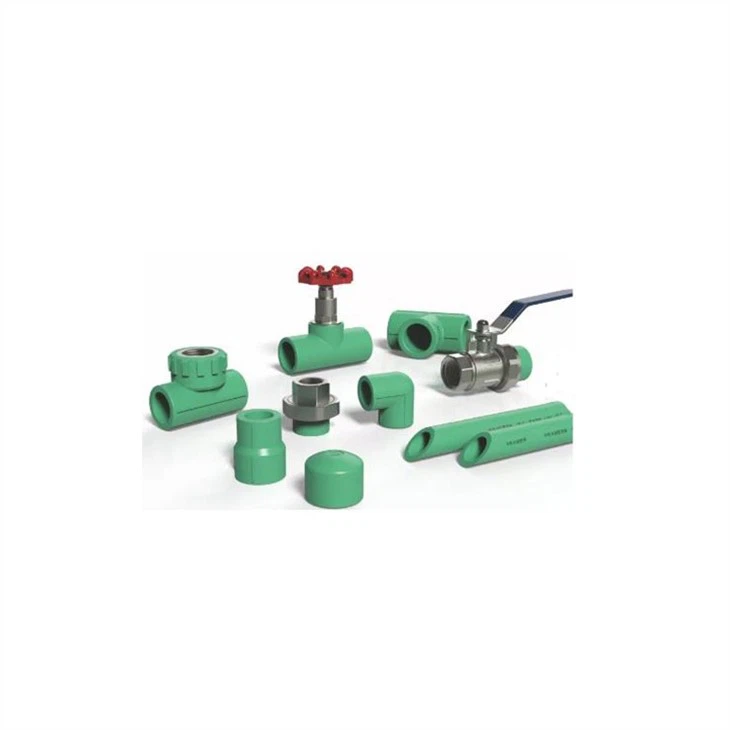

Understanding the Full Meaning of PPR Pipe
PPR, as mentioned, stands for Polypropylene Random Copolymer. To break it down further, polypropylene is a thermoplastic polymer that is widely used in manufacturing due to its excellent chemical resistance, high melting point, and good mechanical properties. The "random copolymer" aspect refers to the way the polymer chains are structured. In a random copolymer, the monomers (the building blocks of the polymer) are arranged randomly along the polymer chain, which gives PPR its unique properties.
This random arrangement of monomers results in a material that is more flexible and less brittle than other types of polypropylene. It also has a lower crystallinity, which means it has better transparency and a smoother surface finish. These properties make PPR pipe ideal for a wide range of applications, from residential plumbing to industrial piping systems.
Characteristics of PPR Pipe
One of the key characteristics of PPR pipe is its excellent corrosion resistance. Unlike metal pipes, which can rust and corrode over time, PPR pipes are immune to rust and chemical corrosion. This makes them suitable for use in a variety of environments, including those with high levels of moisture or chemical exposure.
PPR pipes also have a high temperature resistance. They can withstand continuous operating temperatures of up to 95°C and short-term peak temperatures of up to 110°C. This makes them suitable for use in hot water systems, where other types of pipes may fail.
In addition to their corrosion and temperature resistance, PPR pipes are also lightweight and easy to install. They are typically joined using heat fusion, which creates a strong and permanent bond between the pipes and fittings. This method of installation is quick, easy, and requires no special tools or skills.
Another advantage of PPR pipes is their smooth inner surface. This smooth surface reduces friction and turbulence, which helps to improve the flow of water and other fluids through the pipes. It also reduces the risk of blockages and scale buildup, which can extend the lifespan of the piping system.
Applications of PPR Pipe
PPR pipes are used in a wide range of applications, including residential, commercial, and industrial plumbing systems. In residential applications, PPR pipes are commonly used for hot and cold water supply systems, as well as for heating and cooling systems. They are also used for drainage and sewage systems, as they are resistant to corrosion and can handle the acidic and alkaline substances found in wastewater.
In commercial applications, PPR pipes are used in a variety of buildings, including offices, hotels, hospitals, and schools. They are often used for plumbing systems, as well as for fire protection systems and sprinkler systems. PPR pipes are also used in industrial applications, such as in chemical processing plants, food and beverage processing plants, and pharmaceutical manufacturing plants. They are suitable for use in these industries due to their excellent chemical resistance and high temperature resistance.
Why Choose PPR Pipe?
There are several reasons why PPR pipe is a top choice for many projects. Firstly, as mentioned earlier, PPR pipes are highly resistant to corrosion and chemical attack. This means they have a longer lifespan than other types of pipes, which can save money in the long run.
Secondly, PPR pipes are lightweight and easy to install. This reduces the installation time and labor costs, making them a more cost-effective option. The heat fusion joining method also ensures a leak-free and reliable connection, which further enhances the durability of the piping system.
Thirdly, PPR pipes have a smooth inner surface, which reduces friction and improves the flow of fluids. This can result in lower energy consumption and improved efficiency in the piping system.
Finally, PPR pipes are environmentally friendly. They are made from recyclable materials and can be recycled at the end of their lifespan. This makes them a sustainable choice for plumbing and piping systems.
Where to Find PPR Pipe
If you're looking for high-quality PPR pipe, you've come to the right place. As a PPR pipe supplier, we offer a wide range of PPR pipes and fittings to meet the needs of various projects. Our products are manufactured to the highest standards and are available in different sizes and specifications.
You can explore our selection of Plumbers Ppr Pipe, Plastic Pipe Ppr, and Plastic Pipe Polypropylene on our website. We also provide technical support and advice to help you choose the right products for your project.
Contact Us for PPR Pipe Procurement
If you're interested in purchasing PPR pipe for your project, we'd love to hear from you. Our team of experts is ready to assist you with your procurement needs and provide you with a competitive quote. Whether you're a contractor, a builder, or a homeowner, we can offer you the best solutions for your plumbing and piping requirements.
Don't hesitate to reach out to us for more information or to start a discussion about your project. We look forward to working with you and helping you achieve your goals with our high-quality PPR pipe products.
References
- "Polypropylene Random Copolymer (PPR) Pipes: A Comprehensive Guide." Plumbing Industry Journal.
- "Advantages and Applications of PPR Pipes in Modern Construction." Construction Materials Review.
- "Technical Specifications of PPR Pipes and Fittings." Manufacturer's Handbook.


