

Fatigue resistance is a crucial characteristic when it comes to industrial hoses. As an industrial hose supplier, I've witnessed firsthand the impact that a hose's fatigue resistance can have on its performance and longevity in various industrial applications. In this blog, we'll explore what fatigue resistance means for industrial hoses, why it matters, and how it relates to the products we offer.

Understanding Fatigue Resistance in Industrial Hoses
Fatigue resistance refers to a hose's ability to withstand repeated stress and strain without failing. In industrial settings, hoses are often subjected to a wide range of forces, including pressure fluctuations, bending, twisting, and vibration. Over time, these repetitive stresses can cause the hose material to weaken and eventually fail. A hose with high fatigue resistance is better able to endure these conditions, maintaining its integrity and functionality for a longer period.
The fatigue resistance of an industrial hose is influenced by several factors, including the type of material used, the hose construction, and the manufacturing process. Different materials have different levels of flexibility, strength, and resistance to wear and tear. For example, rubber hoses are known for their flexibility and resistance to abrasion, while thermoplastic hoses are often more lightweight and have better chemical resistance.
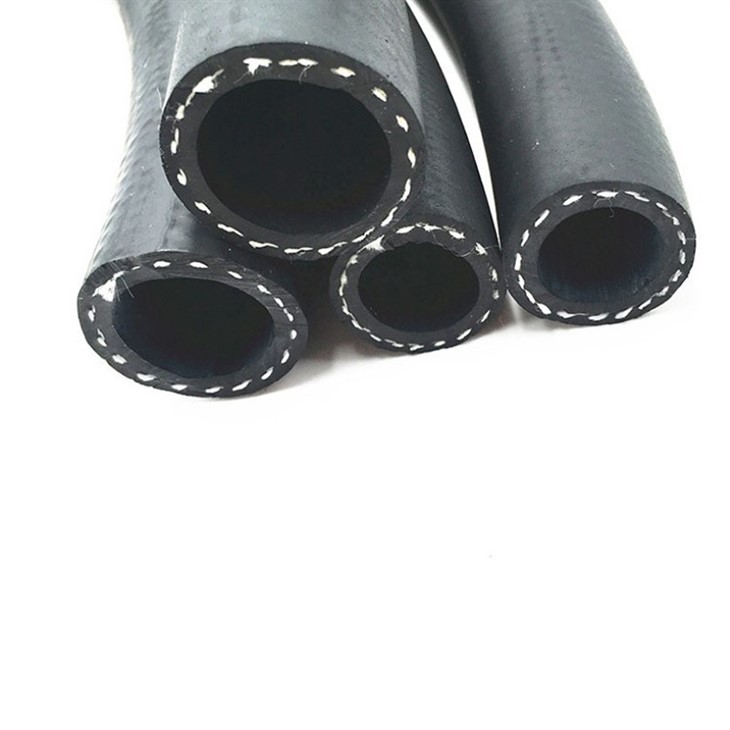
The construction of the hose also plays a significant role in its fatigue resistance. Hoses with multiple layers of reinforcement, such as braided or spiraled wire or fabric, are generally more resistant to fatigue than single-layer hoses. The reinforcement provides additional strength and support, helping to distribute the stress evenly across the hose and prevent it from cracking or bursting.
Why Fatigue Resistance Matters
In industrial applications, the consequences of a hose failure can be severe. A leaking or burst hose can lead to downtime, equipment damage, and even safety hazards. By choosing a hose with high fatigue resistance, you can reduce the risk of these issues and ensure the reliable operation of your equipment.
For example, in the automotive industry, High Pressure Fuel Hose is subjected to high pressure and constant vibrations. A hose with poor fatigue resistance may develop leaks or cracks over time, leading to fuel leaks and potential fire hazards. By using a high-quality fuel hose with excellent fatigue resistance, you can ensure the safe and efficient operation of your vehicles.
In the manufacturing industry, Air Hose 20 Bar is used to power pneumatic tools and equipment. These hoses are often bent, twisted, and dragged around the workplace, which can cause them to wear out quickly. A hose with good fatigue resistance can withstand these conditions and maintain its performance, reducing the need for frequent replacements and minimizing downtime.
In the welding industry, Oxygen Acetylene Hose Pipe is used to deliver oxygen and acetylene gases to the welding torch. These hoses are exposed to high temperatures, flames, and chemical substances, which can cause them to degrade over time. A hose with high fatigue resistance can resist these environmental factors and ensure the safe and efficient operation of the welding process.
Factors Affecting Fatigue Resistance
As mentioned earlier, several factors can affect the fatigue resistance of an industrial hose. Let's take a closer look at some of these factors:
Material Selection
The choice of material is one of the most important factors in determining the fatigue resistance of a hose. Different materials have different properties, such as flexibility, strength, and chemical resistance. For example, natural rubber is known for its excellent flexibility and resilience, making it a good choice for hoses that need to be bent or twisted frequently. Synthetic rubbers, such as neoprene and nitrile, offer better resistance to chemicals and abrasion, making them suitable for more demanding applications.
Reinforcement
The type and amount of reinforcement used in a hose can also have a significant impact on its fatigue resistance. Hoses with multiple layers of reinforcement, such as braided or spiraled wire or fabric, are generally more resistant to fatigue than single-layer hoses. The reinforcement provides additional strength and support, helping to distribute the stress evenly across the hose and prevent it from cracking or bursting.
Manufacturing Process
The manufacturing process can also affect the fatigue resistance of a hose. Hoses that are manufactured using high-quality materials and advanced manufacturing techniques are generally more resistant to fatigue than those that are made using lower-quality materials and less sophisticated processes. For example, hoses that are vulcanized or cured at high temperatures are often more durable and have better fatigue resistance than those that are not.
Operating Conditions
The operating conditions of a hose can also affect its fatigue resistance. Hoses that are exposed to high temperatures, high pressures, or harsh chemicals are more likely to experience fatigue than those that are used in more benign conditions. It's important to choose a hose that is designed to withstand the specific operating conditions of your application.
Testing and Certification
To ensure the quality and reliability of our industrial hoses, we conduct extensive testing and certification. Our hoses are tested to meet or exceed industry standards, such as ISO, SAE, and DIN. We also perform in-house testing to ensure that our hoses meet the specific requirements of our customers.
One of the most common tests used to evaluate the fatigue resistance of a hose is the flexing test. In this test, the hose is bent and twisted repeatedly to simulate the stresses it would experience in real-world applications. The number of cycles the hose can withstand before failing is used as a measure of its fatigue resistance.
We also offer custom testing services to meet the specific needs of our customers. If you have a unique application or require a hose with specific performance characteristics, we can work with you to develop a custom testing plan.
Conclusion
In conclusion, fatigue resistance is a critical factor to consider when choosing an industrial hose. A hose with high fatigue resistance can withstand repeated stress and strain without failing, ensuring the reliable operation of your equipment and reducing the risk of downtime and safety hazards.
As an industrial hose supplier, we are committed to providing our customers with high-quality hoses that offer excellent fatigue resistance. Our hoses are made from the highest-quality materials and are manufactured using advanced techniques to ensure their durability and performance.
If you're in the market for industrial hoses, we invite you to contact us to discuss your specific needs. Our team of experts can help you choose the right hose for your application and provide you with the information and support you need to make an informed decision.
References
- ISO standards for industrial hoses
- SAE standards for automotive hoses
- DIN standards for European industrial hoses


