Hey there! As a PPR pipe supplier, I often get asked about the flow rate of PPR pipes. It's a crucial factor to consider when you're planning any plumbing project, whether it's for your home or a commercial building. So, let's dive right in and explore what the flow rate of PPR pipes really means.
First off, what is flow rate? In simple terms, flow rate refers to the volume of fluid (usually water in the context of plumbing) that passes through a pipe within a specific period. It's typically measured in liters per minute (L/min) or gallons per minute (GPM). The flow rate of a PPR pipe can be affected by several factors, and understanding these is key to getting the most out of your plumbing system.
One of the most significant factors influencing the flow rate is the pipe diameter. Just like a wider river can carry more water than a narrow stream, a larger-diameter PPR pipe can handle a higher flow rate. For instance, a 20mm PPR pipe will have a lower flow rate compared to a 32mm PPR pipe. If you're dealing with a high-demand situation, like a large commercial kitchen or a multi-story building, you'll likely need larger-diameter pipes to ensure an adequate supply of water.
Another factor is the pressure within the pipe. Higher pressure generally means a higher flow rate. However, it's important to note that PPR pipes have a maximum pressure rating. Exceeding this rating can lead to pipe damage or even failure. So, you need to make sure that the pressure in your plumbing system is within the safe limits for the PPR pipes you're using.
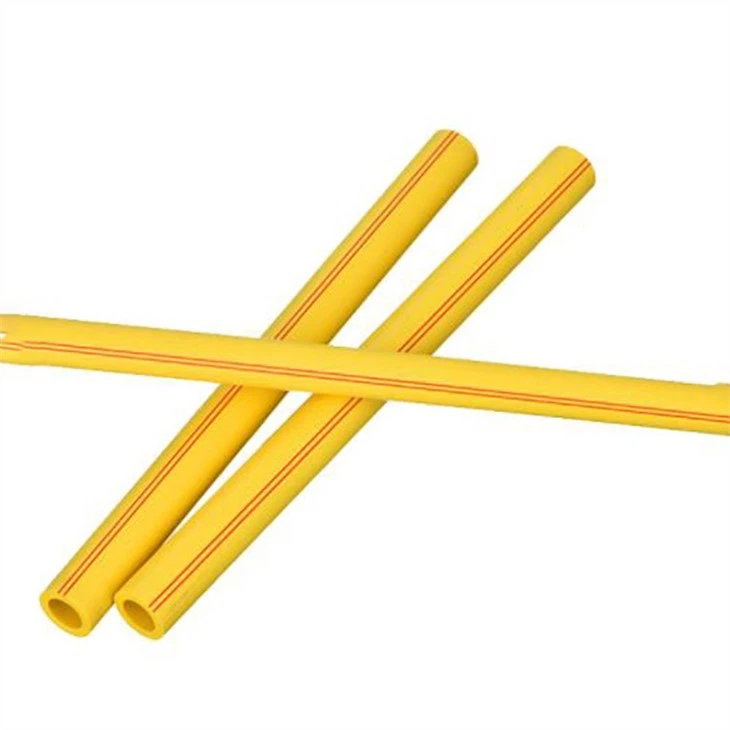

The length of the pipe also plays a role. Longer pipes create more friction, which can reduce the flow rate. If you have a long plumbing run, you might need to increase the pipe diameter or the pressure to maintain an acceptable flow rate.
Now, let's talk about how you can calculate the flow rate of a PPR pipe. There are some formulas and charts available that take into account the pipe diameter, pressure, and other factors. But for most DIYers and small-scale projects, you can use some general guidelines. For example, a 20mm PPR pipe with a typical household water pressure of around 3-4 bar can have a flow rate of about 6-8 L/min. A 25mm pipe can handle around 12-15 L/min, and a 32mm pipe can manage up to 25-30 L/min.
When it comes to choosing the right PPR pipes for your project, it's essential to consider the flow rate requirements. You don't want to end up with pipes that are too small and can't provide enough water, or pipes that are too large and cost more than necessary.
As a PPR pipe supplier, I've seen many customers make the mistake of not paying enough attention to the flow rate. They might choose a pipe based on the price or the brand without considering whether it can meet their needs. That's why I always recommend doing some research and consulting with a professional if you're unsure.
If you're in the market for PPR pipes, I can offer you high-quality products that are designed to provide optimal flow rates. Our Plastic Pipe Ppr are made from top-grade polypropylene materials, ensuring durability and reliability. They are available in a variety of diameters to suit different flow rate requirements.
Our Plastic Pipe Polypropylene pipes are also a great option. They have excellent chemical resistance and can withstand a wide range of temperatures, making them suitable for both hot and cold water applications.
And if you need larger quantities or more specialized pipes, our Plastic Polypropylene Pipes are the way to go. They are manufactured to strict quality standards and can handle high flow rates with ease.
Whether you're a contractor working on a big project or a homeowner doing a DIY plumbing job, we can provide you with the right PPR pipes at competitive prices. We understand the importance of getting the flow rate right, and we're here to help you make the best choice.
If you have any questions about the flow rate of PPR pipes or need advice on choosing the right pipes for your project, don't hesitate to reach out. We're always happy to assist you. Whether you're starting a new plumbing installation or looking to upgrade an existing system, we can provide you with the information and products you need.
In conclusion, the flow rate of PPR pipes is a critical aspect of any plumbing project. By understanding the factors that affect it and choosing the right pipes, you can ensure a reliable and efficient water supply. So, if you're planning a plumbing project, take the time to consider the flow rate requirements and choose the best PPR pipes for the job. And remember, we're here to support you every step of the way.
If you're interested in purchasing our PPR pipes or want to discuss your project further, just get in touch. We're eager to have a chat with you and help you find the perfect solution for your plumbing needs.
References:
- "Plumbing Engineering Handbook"
- Industry standards and guidelines for PPR pipes