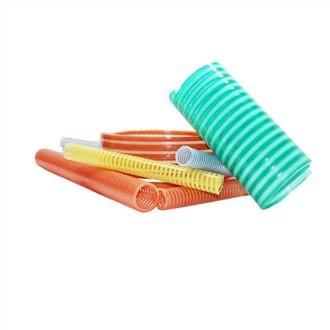
Yo, folks! As a PVC pipe supplier, I get asked a ton of questions about where our pipes can be used. One question that pops up quite often is, "Can PVC pipes be used for a reverse osmosis system?" Well, let's dive right into this topic and find out.
First off, let's talk a bit about what a reverse osmosis system is. Reverse osmosis is a water purification process that uses a semi - permeable membrane to remove ions, molecules, and larger particles from drinking water. It's a super effective way to get clean, pure water, and it's used in homes, offices, and even in some industrial settings.
Now, when it comes to using PVC pipes in a reverse osmosis system, there are a few things to consider.


Advantages of Using PVC Pipes
One of the biggest advantages of PVC pipes is their cost. PVC pipes are relatively inexpensive compared to some other types of pipes, like copper or stainless steel. If you're on a budget and looking to set up a reverse osmosis system, PVC pipes can be a great option. You can check out our Plastic 1 Inch Pvc Pipe for smaller diameter needs, which is not only affordable but also easy to work with.
PVC pipes are also lightweight. This makes them easy to handle and install. You don't need a whole crew of strong guys to lug around heavy pipes when you're setting up your reverse osmosis system. You can easily move them around and connect them yourself if you're handy.
Another plus is that PVC pipes are resistant to corrosion. In a reverse osmosis system, the water is going through a purification process, but there can still be some minerals and chemicals in the water that could potentially cause corrosion over time. PVC pipes can withstand these elements and last a long time without rusting or deteriorating.
Disadvantages of Using PVC Pipes
However, there are also some downsides to using PVC pipes in a reverse osmosis system. One major concern is the potential for chemical leaching. PVC is made from polyvinyl chloride, and under certain conditions, it can leach chemicals into the water. This is especially a problem if the water in the system is hot or if the pipes are exposed to sunlight for long periods. The leached chemicals can contaminate the purified water, which defeats the purpose of having a reverse osmosis system in the first place.
PVC pipes also have a lower temperature tolerance compared to some other materials. If the water in your reverse osmosis system gets too hot, the PVC pipes can warp or even melt. This can cause leaks and damage to the system. So, if your system is going to be exposed to high - temperature water, PVC pipes might not be the best choice.
Compatibility with Reverse Osmosis System Components
When using PVC pipes in a reverse osmosis system, you need to make sure they are compatible with the other components of the system. The reverse osmosis membrane is a delicate part of the system, and any chemicals or contaminants from the pipes can damage it. You also need to ensure that the fittings and connectors you use with the PVC pipes are suitable for the system. Using the wrong fittings can lead to leaks and inefficient operation.
We offer a wide range of Plastic Pvc Water Pipe that are designed to be compatible with various types of water systems, including reverse osmosis systems. But it's always a good idea to double - check with the system manufacturer or a professional plumber to make sure you're using the right pipes and fittings.
Installation Considerations
Proper installation is crucial when using PVC pipes in a reverse osmosis system. You need to make sure the pipes are cut correctly and the joints are sealed properly. A leaky joint can not only waste water but also allow contaminants to enter the system. You can use PVC glue to seal the joints, but make sure you follow the instructions carefully. If the glue isn't applied correctly, it can also leach chemicals into the water.
When installing the pipes, try to keep them away from direct sunlight as much as possible. Sunlight can cause the PVC to break down over time, increasing the risk of chemical leaching. You can also use pipe insulation to protect the pipes from temperature changes and to prevent them from warping.
Regulatory and Safety Standards
It's important to note that there are regulatory and safety standards when it comes to using PVC pipes in water systems. In many areas, there are specific requirements for the type of PVC pipes that can be used for potable water. Make sure the PVC pipes you choose meet these standards. You don't want to end up with a system that doesn't comply with local regulations, as this can lead to fines and potential health risks.
Conclusion
So, can PVC pipes be used for a reverse osmosis system? The answer is yes, but with some caveats. They offer cost - effectiveness, lightweight installation, and corrosion resistance. However, you need to be aware of the potential for chemical leaching, temperature limitations, and compatibility issues. If you take the necessary precautions and follow the proper installation and safety guidelines, PVC pipes can be a viable option for your reverse osmosis system.
If you're interested in purchasing PVC pipes for your reverse osmosis system or have any questions about our products, feel free to reach out. We're here to help you make the best choice for your water purification needs. Check out our Plastic 14 Inch Pvc Pipe for larger diameter requirements. We're always happy to discuss your project and provide you with the right products and advice.
References
- "Reverse Osmosis Systems: A Homeowner's Guide" - U.S. Environmental Protection Agency
- "PVC Pipes in Water Supply Systems: Properties and Applications" - Journal of Water Supply and Sanitation Research and Technology