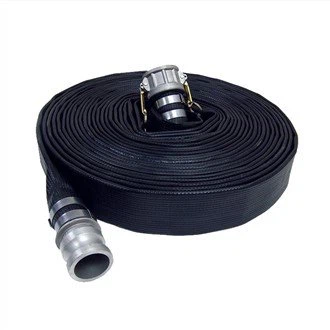
Hey there! I'm a supplier of LPG hoses, and today I want to dig into a topic that's super important for anyone dealing with LPG systems: what's the flexibility change of an LPG hose over time?
First off, let's talk about why flexibility in an LPG hose matters. When you're installing an LPG system, you need the hose to be bendable and adaptable. It has to fit into different spaces, connect various components, and withstand some movement without cracking or breaking. A flexible hose makes the installation process a whole lot easier and also ensures that the system can function properly under normal conditions.
So, what causes the flexibility of an LPG hose to change over time? Well, there are a few key factors.
1. Material Degradation
LPG hoses are typically made from a combination of materials like rubber, synthetic polymers, and sometimes metal reinforcements. Over time, these materials can start to break down due to exposure to various elements.
- Chemical Exposure: LPG itself is a chemical, and continuous contact with it can cause the hose material to swell, harden, or become brittle. Other chemicals in the environment, such as oils, solvents, or even some cleaning agents, can also have a negative impact on the hose. For example, if the hose is installed in an area where it's exposed to oil spills, the oil can seep into the rubber and break down its molecular structure, reducing its flexibility.
- UV Radiation: If the LPG hose is installed outdoors or in an area with a lot of sunlight, UV radiation can be a major culprit. UV rays can break the chemical bonds in the rubber or polymer materials, causing them to become dry and crack. This not only affects the flexibility but also the overall integrity of the hose, increasing the risk of leaks.
2. Temperature Changes
Extreme temperatures can have a significant effect on the flexibility of an LPG hose.
- Cold Temperatures: When it gets really cold, the materials in the hose contract. Rubber, in particular, becomes stiffer and less flexible in cold conditions. This can make it difficult to install or move the hose, and there's a higher risk of the hose cracking if it's bent too much. For instance, in winter months, if you try to bend an LPG hose that's been sitting outside in freezing temperatures, it might snap.
- Hot Temperatures: On the other hand, high temperatures can cause the hose materials to expand and soften. While this might seem like it would make the hose more flexible, it can actually be a problem. The softened material might lose its shape and structural integrity, and it could also become more prone to damage from abrasion or pressure.
3. Mechanical Stress
The way the LPG hose is used and installed can also lead to changes in its flexibility over time.
- Bending and Twisting: Repeated bending and twisting of the hose during installation, maintenance, or normal use can cause internal damage. The layers of the hose can separate, and the reinforcement materials can become deformed. This can result in a loss of flexibility and an increased risk of leaks. For example, if a hose is constantly bent at a sharp angle, the inner layers might start to crack, reducing its ability to flex properly.
- Pressure: LPG systems operate under pressure, and the constant pressure on the hose can cause it to gradually lose its flexibility. Over time, the pressure can cause the materials to compact and harden, making the hose less pliable.
Now, let's talk about how these flexibility changes can impact the performance of an LPG system.
A loss of flexibility can lead to a number of issues. First, it can make it difficult to install or replace the hose. If the hose is too stiff, it might not fit properly into the connections, leading to leaks. Second, a less flexible hose is more likely to crack or break under normal use. This can result in LPG leaks, which are not only dangerous but can also lead to a loss of fuel and increased costs.
As a supplier of LPG hoses, I understand the importance of ensuring that our products maintain their flexibility over time. That's why we use high - quality materials and advanced manufacturing processes to make our hoses more resistant to the factors that cause flexibility changes.
We offer a range of LPG hoses, including the High Pressure Lpg Gas Hose, which is designed to withstand high pressures while maintaining its flexibility. Our Lpg Hose Pipe is also engineered to be durable and flexible, even in harsh environments. And if you're looking for a combination of gas pipe and hose, check out our Gas Pipe And Hose.
To help our customers keep their LPG hoses in good condition, we recommend the following:
- Proper Installation: Make sure the hose is installed correctly, following all the manufacturer's instructions. Avoid sharp bends and twists, and use proper support and clamps to prevent excessive movement.
- Regular Inspection: Check the hose regularly for signs of damage, such as cracks, swelling, or hardening. If you notice any issues, replace the hose immediately.
- Environmental Protection: If possible, protect the hose from direct sunlight, chemicals, and extreme temperatures. You can use covers or insulation to shield the hose from these elements.
In conclusion, the flexibility change of an LPG hose over time is a crucial aspect to consider when dealing with LPG systems. By understanding the factors that cause these changes and taking appropriate measures to prevent them, you can ensure the safe and efficient operation of your LPG system.


If you're in the market for high - quality LPG hoses, don't hesitate to reach out to us. We're here to help you find the right product for your needs and answer any questions you might have. Let's start a conversation about your LPG hose requirements!
References
- "Handbook of Rubber Technology" by Maurice Morton
- "Polymer Science and Technology" by Joel R. Fried