Hey there! As an industrial hose supplier, I've had my fair share of customers scratching their heads over the difference between reinforced and non - reinforced industrial hoses. So, I thought I'd break it down for you in a way that's easy to understand.
Let's start with non - reinforced industrial hoses. These are the simpler ones. They're usually made from a single layer of material, like rubber or PVC. Non - reinforced hoses are great for low - pressure applications. For example, if you're just moving water from one place to another in a light - duty setting, like a small garden or a DIY project around the house, a non - reinforced hose will do the job just fine.
One of the biggest advantages of non - reinforced hoses is their flexibility. They can be bent and twisted easily without kinking. This makes them super convenient to use, especially in tight spaces. Also, they're generally lighter in weight compared to their reinforced counterparts. This means they're easier to handle and move around. And because they're less complex to manufacture, they're often more affordable. So, if you're on a budget and don't need high - pressure performance, a non - reinforced hose is a great option.
However, non - reinforced hoses do have their limitations. Since they lack the extra support, they're not suitable for high - pressure applications. For instance, if you're dealing with a high - pressure water jet for industrial cleaning or transferring pressurized chemicals, a non - reinforced hose will likely burst under the pressure. They're also more prone to damage. Sharp objects can easily puncture them, and over time, they may develop cracks due to wear and tear.
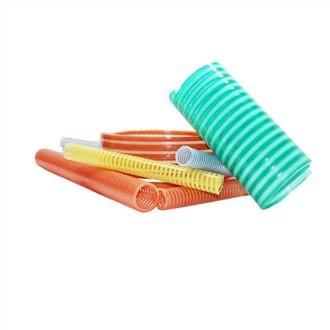
Now, let's talk about reinforced industrial hoses. These hoses are designed to handle much more demanding situations. They have an additional layer or layers of reinforcement, which can be made from materials like braided or spiraled steel, synthetic fibers, or even fabric. This reinforcement gives the hose the strength it needs to withstand high pressures.
Reinforced hoses are commonly used in industrial settings. For example, in the oil and gas industry, High Pressure Fuel Hose is used to transfer fuel under high pressure. In manufacturing plants, they're used to move hydraulic fluids and other pressurized substances. The reinforcement also makes the hoses more resistant to abrasion and punctures. So, if the hose is going to be dragged across rough surfaces or is likely to come into contact with sharp objects, a reinforced hose is a better choice.
Another benefit of reinforced hoses is their durability. They can last much longer than non - reinforced hoses, even in harsh environments. This means less frequent replacement, which can save you money in the long run. However, all these advantages come at a cost. Reinforced hoses are generally more expensive than non - reinforced ones. They're also heavier and less flexible. This can make them a bit more difficult to handle, especially in applications where a lot of bending and maneuvering is required.
Let's take a look at some specific examples to illustrate the difference. Suppose you're running a small car wash. You might use a 4'' Black Nitrile Hose for general water supply. If the water pressure is relatively low, a non - reinforced nitrile hose would work well. It's flexible, easy to handle, and cost - effective. But if you want to upgrade to a high - pressure car wash system, you'll need a reinforced hose. The reinforcement will ensure that the hose can handle the increased pressure without bursting.
In the automotive industry, Fuel Hose Gasoline is a critical component. For a regular passenger car, a non - reinforced fuel hose might be sufficient. But in high - performance vehicles or in industrial vehicles where the fuel is pumped under high pressure, a reinforced fuel hose is a must. The reinforcement prevents fuel leaks, which can be extremely dangerous.


So, how do you decide which type of hose is right for you? Well, it all comes down to your specific needs. First, consider the pressure requirements of your application. If you're dealing with low pressure, a non - reinforced hose will probably be enough. But if you need to handle high pressure, you'll definitely want a reinforced hose.
Next, think about the environment in which the hose will be used. If it's a clean, gentle environment, a non - reinforced hose might be fine. But if the hose will be exposed to rough conditions, like sharp edges, extreme temperatures, or abrasive materials, a reinforced hose is the way to go.
Cost is also an important factor. If you're on a tight budget and don't need high - end performance, a non - reinforced hose can save you some money. But if you're willing to invest in a more durable and high - performing product, a reinforced hose is worth the extra cost.
As an industrial hose supplier, I've seen firsthand how choosing the right hose can make a big difference in the efficiency and safety of your operations. Whether you need a simple non - reinforced hose for a small project or a heavy - duty reinforced hose for an industrial application, I can help you find the perfect fit.
If you're still not sure which type of hose is right for you, or if you have any other questions about industrial hoses, don't hesitate to reach out. I'm here to assist you in making the best decision for your needs. Whether it's for a one - time project or an ongoing industrial operation, I can provide you with high - quality hoses at competitive prices. So, let's start a conversation and find the ideal industrial hose for your requirements.
References
- Industrial Hose Handbook: A comprehensive guide on the types, applications, and selection of industrial hoses.
- Manufacturer's specifications for various industrial hoses, which provide detailed information on pressure ratings, materials, and performance characteristics.