Hey there! As a supplier of PVC spiral hoses, I often get asked about the burst pressure of these hoses. It's a super important factor when it comes to choosing the right hose for your specific needs. So, let's dive into what burst pressure is and why it matters for PVC spiral hoses.
What is Burst Pressure?
Let's start with the basics. Burst pressure is the maximum pressure that a hose can withstand before it fails catastrophically. When a hose reaches its burst pressure, it can rupture, causing a sudden release of whatever fluid or gas it's carrying. This can be pretty dangerous, depending on what's flowing through the hose and the environment it's in.
For PVC spiral hoses, burst pressure is measured in pounds per square inch (PSI) in the US, although in other parts of the world, you might see it in bars or other pressure units. A high burst pressure means the hose can handle more pressure before it breaks, which gives you a safety margin and can be crucial in high-pressure applications.
Factors Affecting Burst Pressure of PVC Spiral Hoses
A bunch of things can influence the burst pressure of a PVC spiral hose.
First up is the quality of the PVC material. High-quality PVC is going to be more durable and have a higher burst pressure compared to lower-quality stuff. The thickness of the PVC walls also plays a big role. The thicker the walls, the more pressure the hose can take. Think of it like a balloon; a thick-walled balloon can hold more air before it pops than a thin one.
The design of the spiral reinforcement inside the hose is another key factor. The spiral is usually made of materials like steel or synthetic fibers. A well-designed and strong spiral can add a lot of strength to the hose, increasing its burst pressure. If the spiral is too weak or poorly constructed, the hose is more likely to burst at a lower pressure.
The size of the hose matters, too. Generally, smaller hoses can handle higher pressures than larger ones. For example, a 2 Inch Water Hose might have a higher burst pressure than a 4 Inch Suction Hose. That's because the stress on the hose walls is spread over a smaller area in a smaller hose.
Why Burst Pressure Matters
You might be wondering why burst pressure is such a big deal. Well, it's all about safety and performance.
In industrial settings, where hoses are used to transfer high-pressure fluids or gases, a hose with an inadequate burst pressure can lead to serious accidents. For example, if a hose bursts while transferring hot steam, it can cause burns to workers and damage to equipment. In a fluid transfer system, a burst hose can also lead to a loss of fluid, which can be costly and might even contaminate the surrounding area.
Even in less demanding applications, like in your garden or for light-duty industrial work, having a hose with a sufficient burst pressure ensures that it won't fail unexpectedly. You don't want your PVC Duct Air Hose to burst in the middle of inflating a tire or moving air around in a workshop.
Determining the Right Burst Pressure for Your Needs
So, how do you figure out what burst pressure you need for your PVC spiral hose? First, you need to know the maximum operating pressure of your system. This is the normal pressure that the hose will experience during regular use. You should always choose a hose with a burst pressure that's significantly higher than the maximum operating pressure.
A common rule of thumb is to look for a hose with a burst pressure that's at least three to four times the maximum operating pressure. This gives you a safety margin in case there are sudden pressure spikes in the system. For example, if your system has a maximum operating pressure of 50 PSI, you should look for a hose with a burst pressure of at least 150 - 200 PSI.
You also need to consider the environment where the hose will be used. If it's going to be exposed to high temperatures, chemicals, or other harsh conditions, you might need a hose with a higher burst pressure to account for any degradation of the hose material over time.
Our PVC Spiral Hoses and Burst Pressure
As a PVC spiral hose supplier, we take burst pressure very seriously. We use high-quality PVC materials and well-designed spiral reinforcements to ensure that our hoses have high burst pressures. Our 4 Inch Suction Hose, for example, is designed to handle the rigors of heavy-duty suction applications. It has a robust spiral reinforcement that gives it a good balance of flexibility and strength, allowing it to withstand relatively high pressures without bursting.
Our PVC Duct Air Hose is made with materials that are resistant to abrasion and can handle the pressures associated with moving air in various industrial and commercial settings. And our 2 Inch Water Hose is ideal for water transfer applications, with a burst pressure that ensures reliable performance.
Working with Us
If you're in the market for PVC spiral hoses, we're here to help you find the right ones for your needs. We understand that choosing the right hose can be tricky, especially when it comes to factors like burst pressure. Our team of experts can work with you to understand your specific requirements, including the maximum operating pressure of your system, the type of fluid or gas you'll be transferring, and the environment where the hose will be used.
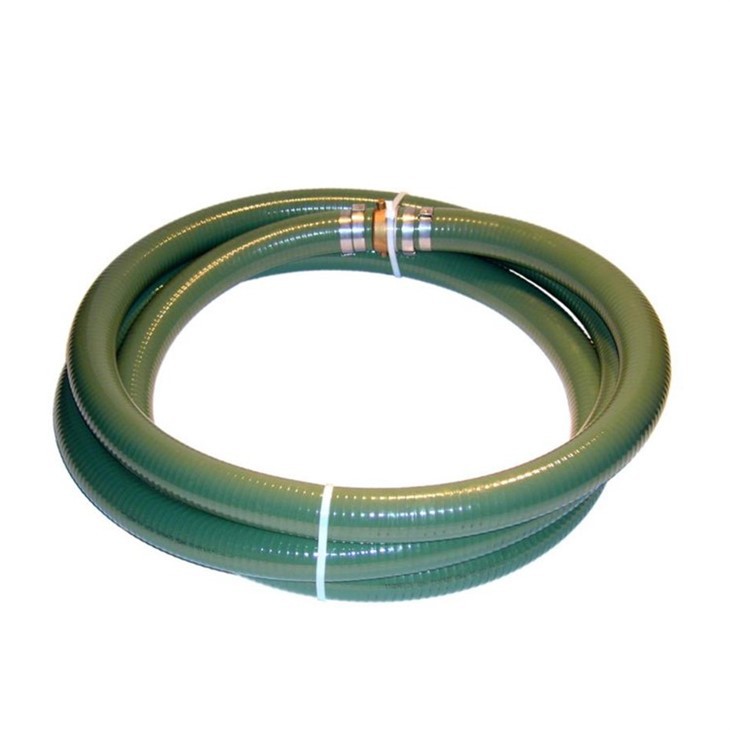

Once we have all the details, we can recommend the best PVC spiral hoses for your application, ensuring that they meet or exceed your burst pressure requirements. We offer a wide range of hoses in different sizes, materials, and pressure ratings, so you're sure to find the perfect fit for your project.
So, if you're interested in learning more about our PVC spiral hoses or need help choosing the right ones, don't hesitate to get in touch. We're here to make the process as easy and stress-free as possible. Contact us today to start the conversation and let's find the perfect hoses for your business.
References
- Handbook of Polyvinyl Chloride (PVC), Various industry publications on hose manufacturing and performance.
- Pressure Vessel and Hose Design Standards, Published by relevant industry organizations.