Hey there! As an industrial hose supplier, I've seen firsthand how these hoses go through an aging process. It's a topic that's super important for anyone who uses or supplies industrial hoses, so let's dive right in and explore what exactly happens to an industrial hose as it ages.
What Causes Industrial Hoses to Age?
There are several factors that can contribute to the aging of an industrial hose. One of the biggest culprits is exposure to the elements. Sunlight, in particular, can be really tough on hoses. The UV rays in sunlight can break down the materials that make up the hose, causing it to become brittle and crack over time.
Another major factor is temperature. Extreme heat or cold can also have a negative impact on the hose. High temperatures can cause the hose to expand and contract, which can lead to internal stress and eventually damage. On the other hand, cold temperatures can make the hose stiff and less flexible, increasing the risk of it cracking or splitting.
Chemical exposure is yet another common cause of hose aging. If a hose comes into contact with harsh chemicals, such as acids, solvents, or fuels, it can cause the material to degrade. For example, Fuel Hose Gasoline is specifically designed to handle gasoline, but over time, the constant exposure to this fuel can still take a toll on the hose.
Mechanical stress is also something to consider. This can include things like bending, twisting, or kinking the hose. These actions can weaken the structure of the hose and make it more prone to failure.
Stages of the Aging Process
The aging process of an industrial hose typically goes through several stages. Let's take a closer look at each of these stages.
Initial Degradation
In the early stages of aging, you might start to notice some minor changes in the hose. The outer layer of the hose might start to lose its shine or develop a slightly dull appearance. This is often a sign that the material is starting to break down due to exposure to the elements or chemicals.
You might also notice that the hose becomes a little less flexible than it used to be. This is because the internal structure of the hose is beginning to change as the materials age.
Surface Cracking
As the aging process continues, you might start to see small cracks on the surface of the hose. These cracks are usually very fine at first, but they can gradually grow larger over time. Surface cracking is a clear indication that the hose is in the process of deteriorating and is at an increased risk of failure.
If you have a 4'' Black Nitrile Hose, for example, you might start to notice these surface cracks on the outer layer of the hose. Nitrile is a popular material for industrial hoses because of its resistance to oils and fuels, but it's still susceptible to aging.
Internal Damage
Beneath the surface, the internal structure of the hose can also be affected by the aging process. The reinforcement layers inside the hose, which are designed to provide strength and support, can start to break down. This can lead to a loss of pressure resistance and an increased risk of the hose bursting.

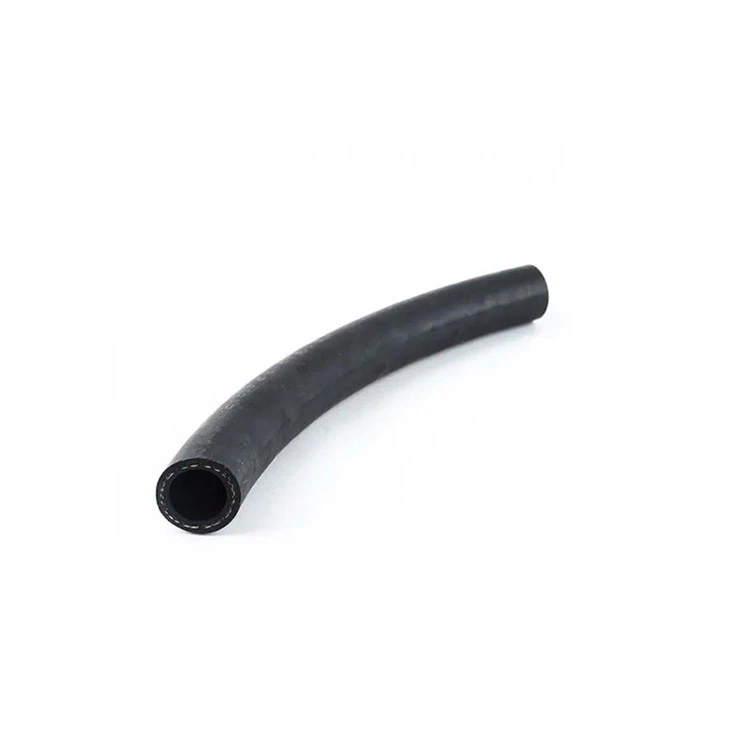
In some cases, the inner lining of the hose can also start to deteriorate. This can cause the hose to leak or allow contaminants to enter the fluid being transported through the hose.
Complete Failure
If the aging process is allowed to continue without any intervention, the hose will eventually reach a point of complete failure. This can manifest in different ways, such as a sudden burst, a major leak, or a complete separation of the hose.
When a hose fails, it can have serious consequences. It can lead to downtime, safety hazards, and costly repairs or replacements. That's why it's so important to monitor the aging process of your industrial hoses and take action before it's too late.
How to Slow Down the Aging Process
As an industrial hose supplier, I often get asked how to slow down the aging process of hoses. Here are some tips that I usually recommend.
Proper Storage
One of the simplest ways to slow down the aging process is to store the hoses properly. Hoses should be stored in a cool, dry place away from direct sunlight and heat sources. If possible, they should be stored in a horizontal position to prevent any unnecessary stress on the hose.
Regular Inspections
Regular inspections are crucial for detecting signs of aging early on. You should visually inspect the hoses on a regular basis for any signs of surface cracking, wear, or damage. You can also perform pressure tests to check the integrity of the hose.
Use the Right Hose for the Job
Using the right hose for the specific application is also very important. For example, if you're dealing with high-pressure applications, you should use a High Pressure Fuel Hose. Using the wrong hose can increase the risk of premature aging and failure.
Protect the Hoses
If the hoses are exposed to harsh chemicals or mechanical stress, you can take steps to protect them. This might include using protective covers or guards to prevent direct contact with chemicals or to reduce the risk of bending or kinking.
Why It Matters to You
As a user of industrial hoses, understanding the aging process is crucial for several reasons. First of all, it can help you ensure the safety of your operations. A failed hose can pose a serious safety hazard, especially if it's transporting hazardous materials.
Secondly, it can help you save money. By monitoring the aging process and replacing hoses before they fail, you can avoid costly downtime and repairs. You can also extend the lifespan of your hoses by taking proper care of them, which means you won't have to replace them as often.
Finally, it can help you maintain the efficiency of your operations. A well-maintained hose will perform better and ensure a smooth flow of fluids, which is essential for the proper functioning of your equipment.
Let's Talk!
If you're in the market for industrial hoses or have any questions about the aging process, I'd love to hear from you. Whether you need a Fuel Hose Gasoline, a 4'' Black Nitrile Hose, or a High Pressure Fuel Hose, I can help you find the right solution for your needs. Don't hesitate to reach out and start a conversation about your industrial hose requirements.
References
- "Handbook of Industrial Hoses" - A comprehensive guide on the properties, applications, and maintenance of industrial hoses.
- Industry research reports on the degradation of industrial hose materials over time.
- Manufacturer's guidelines and specifications for different types of industrial hoses.