Hey there! As an industrial hose supplier, I've seen all sorts of end fittings for different types of hoses. In this blog, I'm gonna break down the typical end fittings you'll come across in the industrial hose world.
First off, let's talk about why end fittings are so important. They're like the connectors that make sure your hose can actually do its job. Whether it's transferring fluids, gases, or other materials, the right end fitting ensures a secure and leak - free connection.
One of the most common types of end fittings is the threaded fitting. Threaded fittings are super handy because they're easy to install. You just screw them onto the end of the hose, and you're good to go. They come in different thread sizes and types, like NPT (National Pipe Thread) and BSP (British Standard Pipe). NPT is widely used in North America, while BSP is more common in Europe and other parts of the world. Threaded fittings are great for applications where you need a quick and simple connection, like in small - scale industrial setups or for home - use hoses.
Another popular option is the flange fitting. Flanges are flat, circular discs with holes around the edge. They're usually bolted together to create a strong and reliable connection. Flange fittings are ideal for high - pressure applications because they can handle a lot of stress without leaking. You'll often find them in large - scale industrial plants, especially in the oil and gas industry. For example, when you're dealing with High Pressure Fuel Hose, a flange fitting can ensure that the fuel is transferred safely and efficiently under high pressure.
Clamp fittings are also quite common. These are basically metal or plastic clamps that hold the end of the hose in place. They're easy to install and remove, which makes them a great choice for applications where you need to make frequent changes or repairs. Clamp fittings are often used in low - pressure applications, like in water - transfer systems or for ventilation hoses.
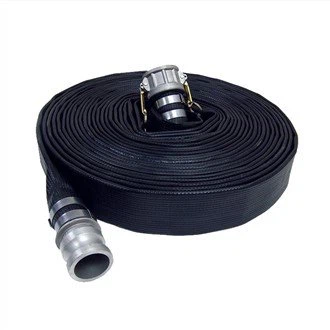
Quick - connect fittings are a real time - saver. As the name suggests, they allow you to connect and disconnect the hose quickly and easily. You don't need any special tools; you just push or pull the fitting to make or break the connection. Quick - connect fittings are perfect for applications where you need to change hoses frequently, like in mobile equipment or in some manufacturing processes.
Now, let's talk about specific hoses and their typical end fittings. Take the 4'' Black Nitrile Hose for example. This type of hose is often used for handling oils, fuels, and other petroleum - based products. For this hose, you might use threaded fittings or flange fittings depending on the pressure and the application. If it's a low - pressure application, a simple threaded fitting could do the job. But if it's a high - pressure situation, a flange fitting would be a better choice.
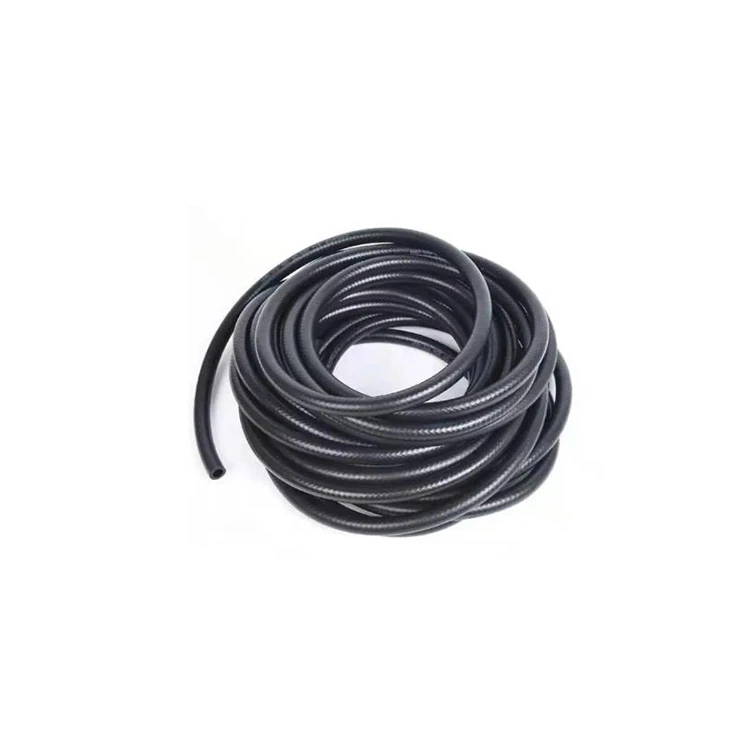
The Fuel Hose Gasoline is another important one. When dealing with gasoline, safety is the top priority. You'll usually see threaded or quick - connect fittings on these hoses. Threaded fittings provide a tight seal, which is crucial to prevent gasoline leaks. Quick - connect fittings, on the other hand, are useful when you need to quickly connect or disconnect the hose during refueling operations.
There are also some specialized end fittings for specific industries. For instance, in the food and beverage industry, you'll find sanitary fittings. These are designed to meet strict hygiene standards. They're usually made of stainless steel and have smooth surfaces to prevent the buildup of bacteria. Sanitary fittings often use a tri - clamp system, which allows for easy disassembly and cleaning.
In the chemical industry, you need end fittings that can resist corrosion. So, you'll often see fittings made of materials like PVC (Polyvinyl Chloride) or Teflon. These materials are highly resistant to a wide range of chemicals, ensuring that the hose and the fitting can withstand the harsh chemical environment.
When choosing the right end fitting for your industrial hose, there are a few things to consider. First, you need to think about the pressure requirements of your application. High - pressure applications will need stronger and more reliable fittings, like flange fittings. Low - pressure applications can get away with simpler fittings, like threaded or clamp fittings.
The type of fluid or material you're transferring is also important. If it's a corrosive substance, you'll need a fitting that can resist corrosion. If it's a food - grade product, you'll need a sanitary fitting.
The size of the hose is another factor. Make sure the end fitting is the right size to fit the hose properly. A loose fitting can lead to leaks, while a too - tight fitting can damage the hose.
In conclusion, there are a variety of end fittings available for industrial hoses, each with its own advantages and suitable applications. Whether you're in the oil and gas industry, the food and beverage industry, or any other industrial sector, there's an end fitting out there that's perfect for your needs.

If you're in the market for industrial hoses and the right end fittings, don't hesitate to reach out. We've got a wide range of hoses and fittings to meet your specific requirements. Whether you need a High Pressure Fuel Hose, a 4'' Black Nitrile Hose, or a Fuel Hose Gasoline, we can help you find the perfect end fitting to go with it. Let's have a chat and figure out the best solution for your industrial hose needs!
References:
- Industrial Hose Handbook: A comprehensive guide on industrial hoses and their components.
- Manufacturer's specifications for various industrial hoses and end fittings.