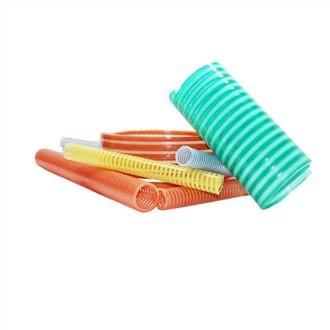
As a supplier of rubber fuel lines, I've witnessed firsthand the critical role these components play in various applications, from automotive engines to marine vessels. A leaking rubber fuel line can spell disaster, leading to reduced performance, safety hazards, and costly repairs. In this blog, I'll share the signs of a leaking rubber fuel line, helping you identify and address issues before they escalate.
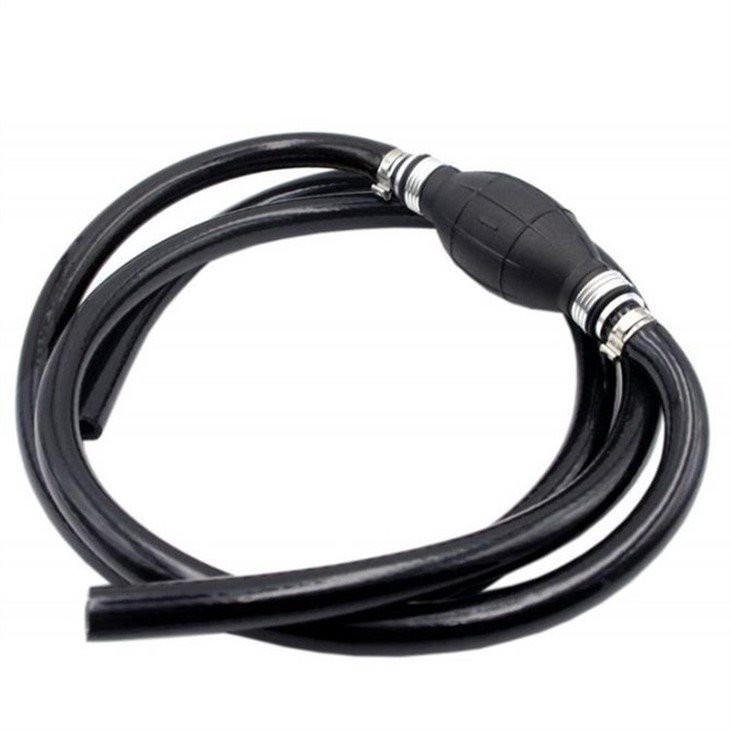
Visual Inspection
One of the most straightforward ways to detect a leaking rubber fuel line is through visual inspection. Over time, rubber fuel lines can deteriorate due to exposure to heat, chemicals, and vibrations. Look for the following signs during a visual check:
- Cracks and Tears: Inspect the entire length of the fuel line for visible cracks or tears. These can occur anywhere along the line, but they are most common at the connections or areas exposed to high stress. Cracks may start small and gradually grow, so even minor damage should not be ignored. For example, a small crack in a 20 Years 3/8" Hydraulic Hose Rubber Hose can quickly turn into a major leak if left untreated.
- Swelling or Bulging: A swollen or bulging fuel line is a clear indication of internal damage. This can be caused by exposure to incompatible fuels or chemicals, which can break down the rubber and cause it to expand. Check for any areas where the fuel line appears larger than normal or has an irregular shape. A swollen 7.9 mm Fuel Hose may not only leak fuel but also pose a risk of bursting under pressure.
- Fuel Stains: Look for signs of fuel stains on the fuel line or surrounding components. Fuel stains can appear as dark, wet spots or as a sticky residue. Pay close attention to areas near connections, fittings, and joints, as these are common places for leaks to occur. If you notice fuel stains on a Rubber Boat Marine Fuel Line, it's important to address the issue immediately to prevent fuel from entering the water and causing environmental damage.
Odor of Fuel
The smell of fuel is another telltale sign of a leaking rubber fuel line. If you notice a strong odor of gasoline or diesel fuel in or around your vehicle or equipment, it's likely that there is a fuel leak. The odor may be more noticeable when the engine is running or when the vehicle is parked in a closed space. However, it's important to note that the smell of fuel can also be caused by other issues, such as a faulty fuel injector or a loose fuel cap. Therefore, it's essential to conduct a thorough inspection to determine the source of the odor.
Fuel Loss
A significant decrease in fuel efficiency or an unexplained loss of fuel can also indicate a leaking rubber fuel line. If you find yourself filling up your tank more frequently than usual or if you notice a sudden drop in your vehicle's mileage, it's possible that fuel is leaking from the fuel line. Keep track of your fuel consumption and look for any abnormal patterns. If you suspect a fuel leak, it's important to have your vehicle or equipment inspected by a qualified mechanic as soon as possible.

Engine Performance Issues
A leaking rubber fuel line can also affect the performance of your engine. If the fuel line is leaking, the engine may not be receiving the proper amount of fuel, which can cause a variety of problems, including:
- Rough Idling: A rough or unstable idle is a common symptom of a fuel leak. The engine may shake or vibrate more than usual, and it may be difficult to keep the engine running at a steady speed.
- Stalling: A leaking fuel line can cause the engine to stall, especially when the vehicle is idling or when it is under load. This can be a dangerous situation, especially if it occurs while driving.
- Poor Acceleration: If the engine is not receiving enough fuel, it may have difficulty accelerating. You may notice a delay in response when you press the accelerator pedal, or the vehicle may not reach its normal speed as quickly as it should.
Hissing or Whistling Sounds
In some cases, a leaking rubber fuel line may produce a hissing or whistling sound. This sound is caused by the escaping fuel and can be heard near the fuel line or at the connection points. If you hear a hissing or whistling sound, it's important to shut off the engine immediately and have the fuel line inspected. Ignoring this sound can lead to a more serious fuel leak and potentially cause a fire.

Safety Precautions
If you suspect a leaking rubber fuel line, it's important to take the following safety precautions:

- Shut Off the Engine: If you notice any signs of a fuel leak, such as a strong odor of fuel or a hissing sound, shut off the engine immediately. This will prevent the fuel from continuing to leak and reduce the risk of a fire.
- Avoid Smoking or Open Flames: Fuel is highly flammable, so it's important to avoid smoking or using open flames near the vehicle or equipment. This includes cigarettes, lighters, and matches.
- Ventilate the Area: If the fuel leak has occurred in an enclosed space, such as a garage or a storage shed, open the doors and windows to ventilate the area. This will help to disperse the fuel vapors and reduce the risk of explosion.
- Call a Professional: If you are not experienced in working with fuel systems, it's best to call a professional mechanic or technician to inspect and repair the fuel line. They have the knowledge and tools necessary to safely diagnose and fix the problem.
Conclusion
A leaking rubber fuel line is a serious issue that requires immediate attention. By being aware of the signs of a fuel leak, you can take the necessary steps to prevent further damage and ensure the safety of yourself and others. If you suspect a fuel leak, don't hesitate to have your vehicle or equipment inspected by a qualified professional.
As a supplier of high-quality rubber fuel lines, we are committed to providing our customers with the best products and services. Our 20 Years 3/8" Hydraulic Hose Rubber Hose, 7.9 mm Fuel Hose, and Rubber Boat Marine Fuel Line are designed to meet the highest standards of quality and performance. If you have any questions or need assistance with your rubber fuel line needs, please don't hesitate to contact us. We look forward to working with you and helping you find the perfect solution for your application.
References
- "Automotive Fuel System Basics." AutoZone.
- "Marine Fuel System Maintenance." BoatUS.
- "Fuel Line Safety and Maintenance." Firestone Complete Auto Care.