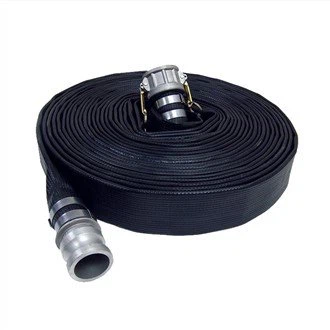
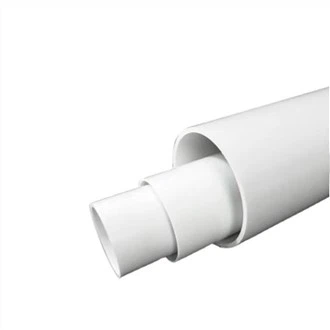
Industrial hoses play a crucial role in various industrial applications, from transferring fluids and gases to handling high - pressure and high - temperature environments. As an industrial hose supplier, I understand the importance of having the right installation tools to ensure a proper and safe installation. In this blog post, I'll discuss the essential installation tools required for industrial hoses, their functions, and why they are necessary.
1. Cutters
One of the first steps in installing an industrial hose is cutting it to the appropriate length. For this task, a high - quality cutter is essential. There are different types of cutters available, each suitable for specific hose materials.
- Sharp Utility Knives: Utility knives are a common choice for cutting thinner and more flexible hoses. They are lightweight, easy to handle, and can make precise cuts. However, they are not suitable for very thick or tough - walled hoses.
- Hose Shears: These are designed specifically for cutting industrial hoses. They have strong, sharp blades that can easily slice through thick rubber or synthetic hoses. Some hose shears are adjustable, allowing you to cut hoses of different diameters accurately.
- Band Saws: For more heavy - duty applications and large - diameter hoses, band saws are often used. Band saws provide a clean and straight cut, and they can handle a wide range of hose materials, including metal - reinforced hoses.
When choosing a cutter, it's important to consider the type and thickness of the hose you'll be working with. A proper cut ensures a good seal when attaching fittings, which is vital for preventing leaks.
2. Deburring Tools
After cutting the hose, the ends often have rough edges or burrs. These burrs can interfere with the proper fitting of couplings and may cause leaks. Deburring tools are used to remove these rough edges and create a smooth surface.
- Hand Deburring Tools: These are simple and inexpensive tools that can be used for small - scale hose installation. They typically have a sharp blade or abrasive material that gently scrapes away the burrs.
- Power Deburring Tools: For larger hoses or high - volume installations, power deburring tools are more efficient. They can quickly and evenly remove burrs from the hose ends, saving time and effort.
Ensuring a smooth hose end not only improves the fitting process but also enhances the overall performance and lifespan of the hose assembly.
3. Clamps and Crimping Tools
Once the hose is cut and deburred, it needs to be attached to fittings. Clamps and crimping tools are used to secure the hose to the fittings.
- Hose Clamps: Hose clamps are a common and cost - effective way to attach hoses to fittings. They come in different types, such as worm - drive clamps and spring clamps. Worm - drive clamps are adjustable and can be tightened using a screwdriver. They are suitable for a wide range of hose diameters and applications. Spring clamps, on the other hand, are quick to install and are often used for low - pressure applications.
- Crimping Tools: Crimping is a more permanent and reliable way to attach hoses to fittings, especially for high - pressure applications. Crimping tools use hydraulic or mechanical force to compress a metal sleeve around the hose and fitting, creating a tight seal. There are different crimping tools available, depending on the type of crimp sleeve and hose diameter. Some crimping tools are designed for specific types of hoses, such as 4'' Black Nitrile Hose, which require a precise crimp to ensure optimal performance.
4. Wrenches and Socket Sets
Wrenches and socket sets are used for tightening and loosening nuts and bolts during the installation process. They are essential for attaching hose fittings to equipment or other components.
- Adjustable Wrenches: Adjustable wrenches are versatile tools that can be adjusted to fit different sizes of nuts and bolts. They are handy for on - the - spot adjustments and can be used in a variety of applications.
- Socket Sets: Socket sets come with a range of different - sized sockets that fit onto a ratchet or breaker bar. They provide more torque and are often used for larger or more stubborn nuts and bolts. When installing industrial hoses, socket sets are useful for tightening fittings and ensuring a secure connection.
5. Pressure Testing Equipment
After the hose is installed, it's important to test it for leaks and ensure that it can withstand the required pressure. Pressure testing equipment is used to perform these tests.
- Pressure Gauges: Pressure gauges are used to measure the pressure inside the hose during the testing process. They provide accurate readings and help determine if the hose is operating within the specified pressure limits.
- Pressure Testers: Pressure testers are used to apply pressure to the hose and check for leaks. There are different types of pressure testers available, including manual and automatic testers. Manual pressure testers are operated by hand, while automatic testers use a pump to apply pressure.
Pressure testing is a critical step in the installation process, as it ensures the safety and reliability of the hose assembly. It helps to identify any potential issues early on and allows for timely repairs or replacements.
6. Measuring Tools
Accurate measurements are crucial when installing industrial hoses. Measuring tools are used to determine the length, diameter, and other dimensions of the hose and fittings.
- Tape Measures: Tape measures are used to measure the length of the hose. They are available in different lengths and are easy to use. A tape measure with clear markings is essential for getting accurate length measurements.
- Calipers: Calipers are used to measure the diameter of the hose and fittings. They can provide precise measurements, which are important for ensuring a proper fit between the hose and the fitting. There are different types of calipers available, including digital and vernier calipers.
Industrial Hoses and Their Specific Installation Requirements
Different types of industrial hoses have specific installation requirements, and the choice of tools may vary accordingly. For example, High Pressure Fuel Hose and Fuel Hose Gasoline require special attention due to the potentially hazardous nature of the fluids they carry.
- These hoses often need to be installed with high - quality crimping tools to ensure a leak - free connection. The use of pressure - rated fittings and proper sealing techniques is also crucial. Additionally, when installing fuel hoses, it's important to follow all safety regulations and guidelines to prevent fires and other hazards.
Conclusion and Call to Action
In conclusion, having the right installation tools is essential for a successful industrial hose installation. From cutters and deburring tools to clamps and pressure testing equipment, each tool plays a vital role in ensuring a proper and safe installation. As an industrial hose supplier, I am committed to providing high - quality hoses and the necessary expertise to help you with your installation needs.
Whether you are working on a small - scale project or a large - scale industrial application, we can offer the right hoses and tools to meet your requirements. If you are interested in purchasing industrial hoses or need more information about installation tools, please feel free to contact us. We are happy to discuss your specific needs and provide you with solutions that are tailored to your project.
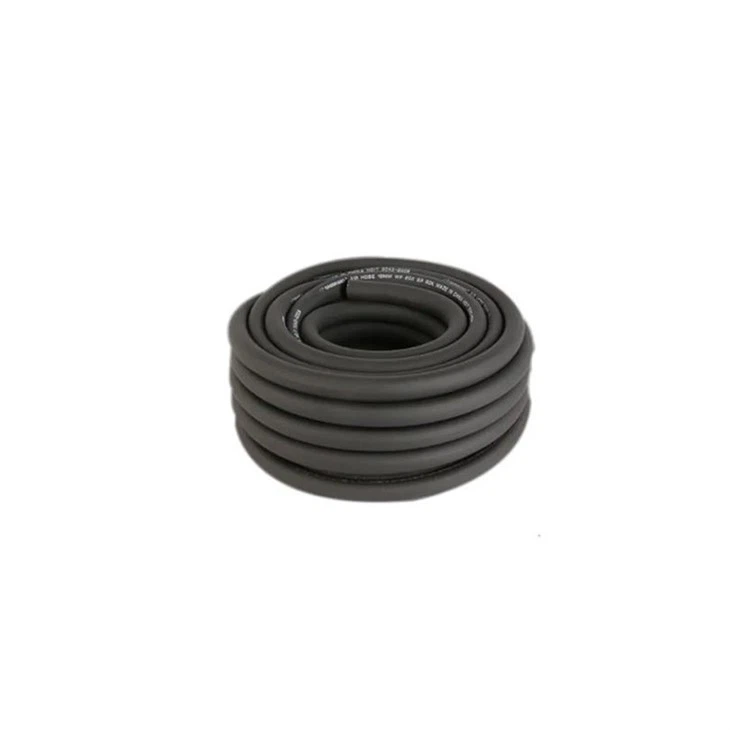

Let's work together to ensure that your industrial hose installations are efficient, safe, and reliable.
References
- Industrial Hose Handbook, published by the American Society of Mechanical Engineers (ASME).
- Hose Selection and Installation Guide, distributed by major industrial hose manufacturers.