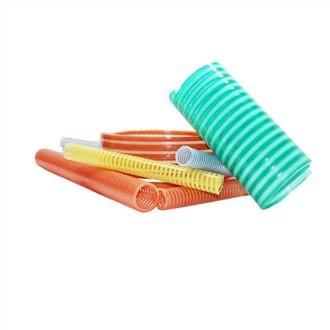
Installing a PVC garden hose in an irrigation system is a practical and efficient way to keep your garden well - watered. As a PVC Garden Hose supplier, I'm here to guide you through the installation steps, ensuring you can set up your system with ease and confidence.
Step 1: Planning Your Irrigation System
Before you start installing the PVC garden hose, you need to have a clear plan for your irrigation system. Consider the size and layout of your garden. Identify the areas that need watering, such as flower beds, vegetable patches, or lawns. Measure the distance from the water source to the farthest point in your garden where you want to place the hose. This will help you determine the length of the PVC garden hose you need.
It's also important to think about the type of watering you want to achieve. For example, if you have delicate flower beds, you might want a hose with a gentle spray nozzle. On the other hand, a large lawn may require a more powerful and wide - spread watering pattern. Our [Spring Garden Hose](/garden - hose/pvc - garden - hose/spring - garden - hose.html) is a great option for areas where you need flexibility and a reliable water flow. It can easily adapt to different watering needs and is suitable for various garden layouts.
Step 2: Gathering the Necessary Tools and Materials
Once you have a plan in place, it's time to gather the tools and materials you'll need for the installation. Here's a list of the essentials:
- PVC Garden Hose: Choose the appropriate length and diameter based on your irrigation requirements. Our [Non Kinking Garden Hose](/garden - hose/pvc - garden - hose/non - kinking - garden - hose.html) is an excellent choice as it eliminates the hassle of dealing with kinks, ensuring a smooth water flow.
- Connectors: You'll need connectors to attach the hose to the water source and to join multiple sections of the hose if necessary. Make sure to select connectors that are compatible with your PVC garden hose.
- Nozzles or Sprinklers: Depending on your watering needs, select the right nozzles or sprinklers. There are various types available, such as adjustable nozzles for different spray patterns and rotating sprinklers for covering larger areas.
- Shovels and Trowels: These tools will be useful if you plan to bury the hose underground or create trenches for the hose to run through.
- Stakes or Hose Clamps: Stakes can be used to secure the hose in place, especially if it's running along the ground. Hose clamps are handy for attaching the hose to connectors firmly.
Step 3: Preparing the Water Source
The next step is to prepare the water source. If you're using a faucet or a spigot, make sure it's in good working condition. Check for any leaks or damage. If necessary, replace any faulty parts before connecting the hose.

Clean the threads of the faucet or spigot to ensure a proper seal with the hose connector. You can use a wire brush to remove any dirt or debris. Apply a small amount of plumber's tape to the threads in a clockwise direction. This will help prevent leaks when you attach the hose connector.
Step 4: Connecting the Hose to the Water Source
Now it's time to connect the PVC garden hose to the water source. Take the hose connector and screw it onto the faucet or spigot. Make sure to tighten it firmly, but be careful not to overtighten as this could damage the threads.

Once the connector is securely attached, check for any leaks. Turn on the water slightly and inspect the connection point. If you notice any leaks, try tightening the connector a little more. If the leak persists, you may need to re - apply the plumber's tape or replace the connector.
Step 5: Laying Out the Hose
After connecting the hose to the water source, it's time to lay it out in your garden according to your plan. Start from the water source and carefully unroll the hose, making sure it follows the desired path. Avoid sharp bends or kinks in the hose as this can restrict the water flow.
If you're using multiple sections of the hose, connect them using the appropriate connectors. Make sure the connections are tight to prevent leaks. Our [Braided Garden Pipe](/garden - hose/pvc - garden - hose/braided - garden - pipe.html) is a strong and durable option for connecting different sections of the hose, providing a reliable water - tight connection.
Use stakes or hose clamps to secure the hose in place. Place stakes along the length of the hose at regular intervals, especially in areas where the hose may be prone to moving or getting tangled. This will help keep the hose in position and prevent it from being damaged.
Step 6: Installing Nozzles or Sprinklers
Once the hose is laid out and secured, it's time to install the nozzles or sprinklers. Select the appropriate nozzle or sprinkler based on the area you want to water. For example, if you're watering a small flower bed, a handheld nozzle with a fine spray may be sufficient. If you're watering a large lawn, a rotating sprinkler may be more suitable.
Attach the nozzle or sprinkler to the end of the hose using the provided connector. Make sure it's tightened securely to prevent leaks. Adjust the settings on the nozzle or sprinkler to achieve the desired watering pattern and coverage.

Step 7: Testing the Irrigation System
After installing the nozzles or sprinklers, it's important to test the irrigation system. Turn on the water fully and check for any leaks along the hose and at the connection points. Inspect the water flow and the coverage of the nozzles or sprinklers.
If you notice any issues, such as low water pressure, uneven watering, or leaks, make the necessary adjustments. You may need to check the connectors, the hose for kinks, or the settings on the nozzles or sprinklers.

Step 8: Maintenance and Troubleshooting
Once your PVC garden hose irrigation system is up and running, it's important to perform regular maintenance to ensure its longevity and efficiency. Here are some maintenance tips:
- Inspect the Hose Regularly: Check the hose for any signs of damage, such as cracks, holes, or leaks. If you notice any damage, replace the affected section of the hose immediately.
- Clean the Nozzles and Sprinklers: Over time, nozzles and sprinklers can become clogged with dirt and debris. Remove them from the hose and clean them thoroughly using a small brush or a pin to clear any blockages.
- Store the Hose Properly: When not in use, store the hose in a cool, dry place. Avoid leaving it exposed to direct sunlight for extended periods as this can cause the PVC to deteriorate.
In case you encounter any problems with your irrigation system, here are some common troubleshooting tips:
- Low Water Pressure: Check for kinks in the hose or blockages in the nozzles or sprinklers. Make sure the water source is fully open and the connectors are not restricting the flow.
- Leaks: Inspect the connection points and tighten the connectors if necessary. If the leak is coming from the hose itself, you may need to replace the damaged section.
If you have any questions or need further assistance with your PVC garden hose installation or maintenance, don't hesitate to contact us. We're a leading PVC Garden Hose supplier, and we're committed to providing you with high - quality products and excellent customer service. Whether you're a professional gardener or a home enthusiast, our range of PVC garden hoses, including the [Spring Garden Hose](/garden - hose/pvc - garden - hose/spring - garden - hose.html), [Non Kinking Garden Hose](/garden - hose/pvc - garden - hose/non - kinking - garden - hose.html), and [Braided Garden Pipe](/garden - hose/pvc - garden - hose/braided - garden - pipe.html), can meet all your irrigation needs. Contact us today to discuss your requirements and start your journey towards a well - watered garden.
References
- "Gardening Irrigation Basics" - A comprehensive guide on setting up irrigation systems in gardens.
- "PVC Pipe and Hose Installation Manual" - Provides detailed information on the installation and maintenance of PVC pipes and hoses.