

As a seasoned supplier of steel fittings, I've witnessed firsthand the diverse needs and applications within the industry. Steel fittings are integral components in various sectors, from construction and plumbing to automotive and manufacturing. Understanding the different connection methods for steel fittings is crucial for ensuring a secure, efficient, and long - lasting installation. In this blog, I'll delve into the most common connection methods, their advantages, and suitable applications.
Welding
Welding is one of the most reliable and widely used connection methods for steel fittings. It involves melting the base metal and adding a filler material, if necessary, to create a strong, permanent bond between the fittings. There are several types of welding processes commonly used for steel fittings:
- Shielded Metal Arc Welding (SMAW): Also known as stick welding, SMAW is a versatile and portable method suitable for both indoor and outdoor applications. It uses a consumable electrode coated in flux, which creates a shielding gas to protect the weld pool from contamination. SMAW is commonly used for heavy - duty applications, such as structural steelwork and pipeline construction.
- Gas Metal Arc Welding (GMAW): GMAW, or MIG welding, uses a continuous solid wire electrode and a shielding gas to protect the weld pool. This method offers high deposition rates and is suitable for thin - to medium - thickness steel fittings. GMAW is commonly used in automotive manufacturing, sheet metal fabrication, and general welding applications.
- Gas Tungsten Arc Welding (GTAW): GTAW, or TIG welding, uses a non - consumable tungsten electrode and a shielding gas to create a high - quality weld. This method offers precise control over the weld pool and is suitable for thin - walled steel fittings and applications where aesthetics are important. GTAW is commonly used in the aerospace, food processing, and pharmaceutical industries.
The advantages of welding include high strength, durability, and the ability to create a seamless connection. However, welding requires skilled labor, specialized equipment, and proper safety precautions. It may also cause distortion and residual stress in the fittings, which need to be addressed through proper welding techniques and post - weld heat treatment.
Threaded Connections
Threaded connections are a popular choice for steel fittings due to their ease of installation and disassembly. They involve screwing the male threads of one fitting into the female threads of another, creating a tight seal. There are several types of threaded connections commonly used for steel fittings:
- NPT (National Pipe Taper): NPT threads are tapered and are commonly used for plumbing and piping applications. They provide a tight seal by deforming the threads as they are tightened, creating a metal - to - metal contact. NPT threads are available in various sizes and are suitable for low - to medium - pressure applications.
- BSP (British Standard Pipe): BSP threads are used in the United Kingdom and other countries following the British standard. They come in two types: BSPP (parallel) and BSPT (tapered). BSPP threads are used for non - pressure applications, while BSPT threads are used for pressure applications.
- UN/UNF (Unified National): UN and UNF threads are used in the United States and other countries following the Unified Thread Standard. They are parallel threads and are commonly used in mechanical and automotive applications.
The advantages of threaded connections include ease of installation, the ability to disassemble and reassemble the fittings, and the availability of a wide range of fittings with threaded ends. However, threaded connections may require the use of thread sealants to prevent leakage, and they may not be suitable for high - pressure or high - temperature applications.
Flanged Connections
Flanged connections are used to connect steel fittings to pipes, valves, and other equipment. They involve bolting two flanges together, with a gasket between them to create a tight seal. There are several types of flanged connections commonly used for steel fittings:
- Weld Neck Flanges: Weld neck flanges are welded to the pipe or fitting, providing a strong and durable connection. They are suitable for high - pressure and high - temperature applications and are commonly used in the oil and gas, chemical, and power generation industries.
- Slip - On Flanges: Slip - on flanges are slipped over the end of the pipe or fitting and then welded in place. They are easier to install than weld neck flanges but may not be as strong. Slip - on flanges are commonly used in low - to medium - pressure applications.
- Socket Weld Flanges: Socket weld flanges are welded to the pipe or fitting using a socket weld. They are suitable for small - diameter pipes and low - to medium - pressure applications.
The advantages of flanged connections include ease of installation, the ability to disassemble and reassemble the fittings, and the ability to accommodate misalignment. However, flanged connections require a large amount of space and may be more expensive than other connection methods.
Compression Fittings
Compression fittings are a type of mechanical connection that uses a compression ring or ferrule to create a tight seal between the fitting and the pipe. They involve inserting the pipe into the fitting and tightening a nut, which compresses the ring or ferrule against the pipe, creating a seal. Compression fittings are commonly used for copper, brass, and plastic pipes, but they can also be used for steel pipes.
The advantages of compression fittings include ease of installation, the ability to make connections in tight spaces, and the ability to disassemble and reassemble the fittings. However, compression fittings may not be suitable for high - pressure or high - temperature applications, and they require proper installation techniques to ensure a leak - free connection.
Push - to - Connect Fittings
Push - to - connect fittings are a relatively new type of connection method that offers quick and easy installation. They involve simply pushing the pipe into the fitting, which creates a secure connection using a collet or O - ring. Push - to - connect fittings are commonly used for plumbing, air, and water applications.
The advantages of push - to - connect fittings include ease of installation, no special tools required, and the ability to make connections in tight spaces. However, push - to - connect fittings may not be suitable for high - pressure or high - temperature applications, and they may have a limited lifespan compared to other connection methods.
Choosing the Right Connection Method
When choosing a connection method for steel fittings, several factors need to be considered, including the application, pressure, temperature, size, and material of the fittings. It's important to select a connection method that provides a secure, reliable, and leak - free connection while also considering the cost, ease of installation, and maintenance requirements.
For high - pressure and high - temperature applications, welding or flanged connections are often the best choice. For low - to medium - pressure applications, threaded connections, compression fittings, or push - to - connect fittings may be more suitable. It's also important to consider the compatibility of the connection method with the surrounding environment, such as corrosive or abrasive conditions.
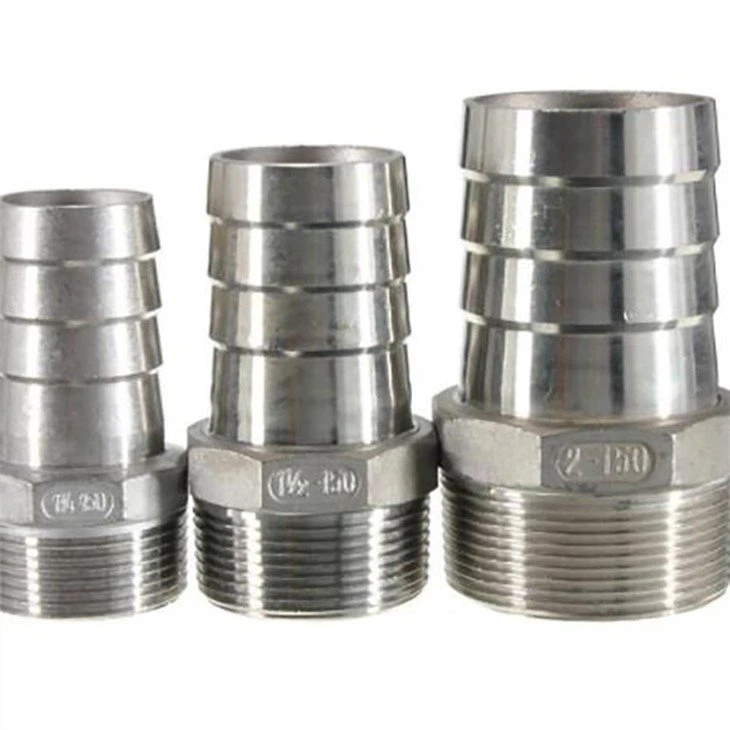
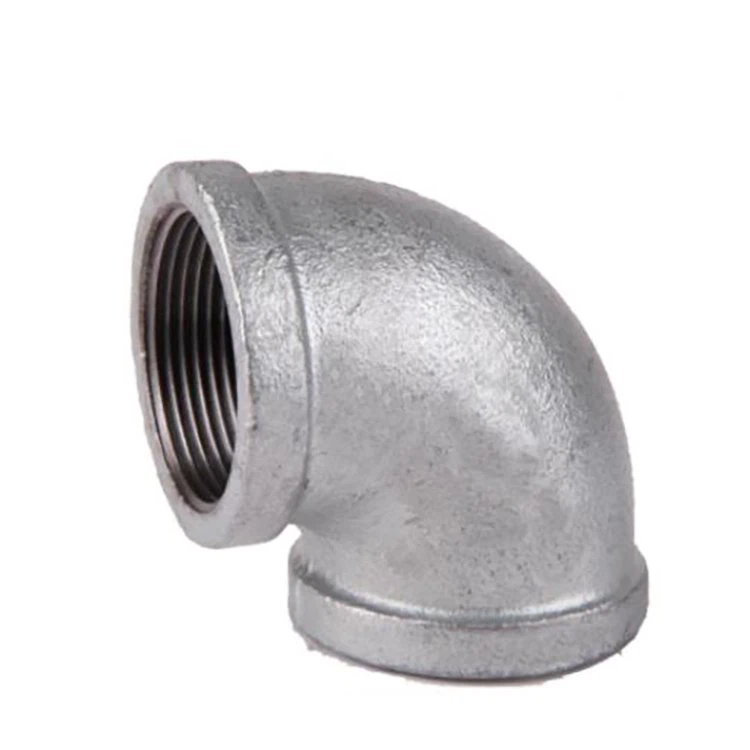
As a steel fitting supplier, I offer a wide range of Casting Iron Fitting, Stainless Steel Pipe Fitting Connector, and Steel Air Line Fittings to meet the diverse needs of my customers. Whether you're looking for a specific connection method or need help choosing the right fitting for your application, I'm here to assist you.
If you're interested in learning more about our steel fittings or have any questions about connection methods, please don't hesitate to contact me. I'm happy to provide you with detailed product information, technical support, and pricing quotes. Let's work together to find the perfect solution for your steel fitting needs.
References
- American Welding Society (AWS) - Welding Handbook
- Pipe Fitting Handbook - Parker Hannifin Corporation
- ASME B31 Code for Pressure Piping


