

As a seasoned supplier of brass fittings, I've witnessed firsthand the intricate relationship between brass fittings and water quality. Over the years, I've engaged with countless customers, from DIY enthusiasts to large - scale contractors, all with concerns about how water can impact the performance and longevity of brass fittings. In this blog, I'll delve into the scientific aspects of this relationship, draw on real - world experiences, and share insights to help you make informed decisions when it comes to using brass fittings in your projects.
Understanding Brass Fittings
Brass is an alloy primarily composed of copper and zinc, with small amounts of other elements that can enhance its properties. It's a popular choice for fittings due to its excellent corrosion resistance, malleability, and relatively low cost compared to some other metals. Our product range includes Brass Push On Fittings, Brass Washing Machine Connector, and Brass Y Hose Connector, each designed to meet specific plumbing needs.
The Impact of Water Quality on Brass Fittings
pH Level
The pH level of water is a measure of its acidity or alkalinity. Water with a pH below 7 is acidic, while water with a pH above 7 is alkaline. Brass fittings are generally more resistant to corrosion in a neutral pH range (around 7). When exposed to acidic water (low pH), the zinc in the brass can dissolve, a process known as dezincification. This can lead to the formation of porous copper on the surface of the fitting, weakening its structure and potentially causing leaks. On the other hand, highly alkaline water can also cause problems. It may lead to the formation of scale deposits on the fittings, which can restrict water flow and cause blockages over time.

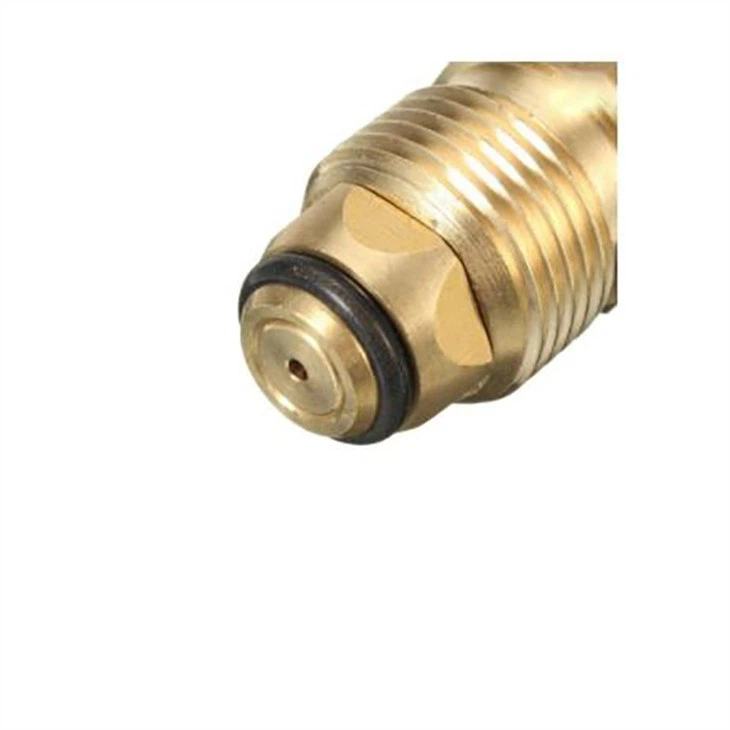
In areas where the water is naturally acidic, such as regions with high levels of dissolved carbon dioxide or certain industrial pollutants, extra precautions need to be taken. For example, using brass fittings with a higher copper content or applying protective coatings can help mitigate the effects of acidic water.
Hardness
Water hardness refers to the concentration of dissolved minerals, mainly calcium and magnesium, in the water. Hard water can cause scale buildup on brass fittings. As water flows through the fittings, the dissolved minerals can precipitate out and form a hard, crusty layer. This scale can accumulate over time, reducing the internal diameter of the fitting and increasing the pressure within the plumbing system. In extreme cases, it can even cause the fitting to crack or burst.
Soft water, on the other hand, may not cause scale buildup, but it can sometimes be more corrosive. Soft water often has a lower pH and fewer dissolved minerals to form a protective layer on the surface of the brass. This can make the fittings more susceptible to general corrosion and pitting.
Chlorine and Chloramines
Chlorine and chloramines are commonly used as disinfectants in municipal water supplies. While they are effective at killing harmful bacteria and viruses, they can also have a negative impact on brass fittings. Chlorine is a strong oxidizing agent that can react with the brass, causing corrosion. Over time, this corrosion can lead to the formation of pits and holes in the fitting, compromising its integrity.
Chloramines, which are a combination of chlorine and ammonia, are less reactive than chlorine but can still cause problems. They can react with the copper in the brass to form copper - ammonia complexes, which can dissolve the copper and lead to corrosion. In areas where water is treated with high levels of chlorine or chloramines, it's important to choose brass fittings that are specifically designed to resist these chemicals.
Dissolved Oxygen
Oxygen is naturally present in water, and it can play a significant role in the corrosion of brass fittings. When oxygen is dissolved in water, it can react with the metal in the brass to form metal oxides. This process is known as oxidation, and it can cause the surface of the fitting to become dull and pitted. The rate of oxidation increases with the amount of dissolved oxygen in the water and the temperature of the water.
In hot water systems, the combination of high temperature and dissolved oxygen can accelerate the corrosion process. To reduce the impact of dissolved oxygen, some plumbing systems use de - aeration techniques or add corrosion inhibitors to the water.
Real - World Examples
I once worked with a customer who had installed our Brass Y Hose Connector in a garden irrigation system. The water in their area was very hard, and within a few months, they noticed a significant reduction in water flow. Upon inspection, we found that the fitting was clogged with scale deposits. We recommended using a water softener to reduce the hardness of the water and also suggested regular maintenance to clean the fittings.
Another customer had a problem with corrosion in their bathroom plumbing. They lived in an area where the water was treated with high levels of chlorine. The brass fittings in their shower and sink started to develop small holes and leaks. We advised them to replace the fittings with ones that were specifically designed to resist chlorine corrosion. After the replacement, the problem was resolved, and the new fittings have been performing well ever since.
Mitigating the Effects of Water Quality on Brass Fittings
Water Treatment
One of the most effective ways to protect brass fittings from the negative effects of water quality is to treat the water. This can include using water softeners to reduce hardness, pH adjusters to bring the water to a neutral pH, and de - chlorinators to remove chlorine and chloramines. Water treatment systems can be installed at the point of entry to the building or at specific fixtures, depending on the needs of the user.
Fitting Selection
Choosing the right brass fittings for your specific water conditions is crucial. For example, if you have acidic water, look for brass fittings with a higher copper content or ones that are coated with a protective layer. Some manufacturers also offer brass fittings that are specially formulated to resist the effects of chlorine, chloramines, and other chemicals.
Regular Maintenance
Regular maintenance of your plumbing system can help extend the life of your brass fittings. This can include inspecting the fittings for signs of corrosion or scale buildup, cleaning the fittings to remove any deposits, and replacing any damaged or worn - out fittings promptly.
Conclusion
In conclusion, water quality has a significant impact on the performance and longevity of brass fittings. As a supplier, I understand the importance of providing high - quality products that can withstand the challenges posed by different water conditions. By understanding the factors that affect brass fittings, such as pH level, hardness, chlorine, and dissolved oxygen, you can take the necessary steps to protect your plumbing system.
Whether you're a homeowner looking to install a new Brass Washing Machine Connector or a contractor working on a large - scale project, I'm here to help. If you have any questions about our brass fittings or need advice on how to choose the right ones for your water conditions, please don't hesitate to reach out. We're always happy to engage in a procurement discussion and find the best solutions for your needs.
References
- ASTM International. (2019). Standard Specification for Brass Rod and Bar for General Purpose Applications. ASTM B16/B16M - 19.
- American Water Works Association. (2017). Water Quality and Treatment: A Handbook of Community Water Supplies. McGraw - Hill Education.
- National Sanitation Foundation. (2020). NSF/ANSI 61: Drinking Water System Components – Health Effects.


