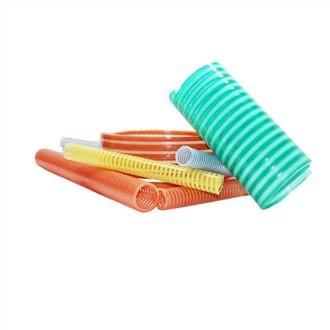
PPR pipes, made from random copolymer polypropylene, have gained significant popularity in the plumbing industry over the past few decades. As a PPR pipe supplier, I've witnessed firsthand the growing demand for these pipes due to their numerous advantages. One of the most frequently asked questions by customers and installers alike is, "Is PPR pipe easy to install?" In this blog post, I'll delve into the installation process of PPR pipes, highlighting their ease of installation and why they are a preferred choice for many plumbing projects.
Understanding PPR Pipes
Before discussing the installation process, it's essential to understand what makes PPR pipes unique. PPR pipes are known for their durability, corrosion resistance, and thermal insulation properties. They are also lightweight, which makes them easier to handle and transport compared to traditional metal pipes. These characteristics not only contribute to the longevity of the plumbing system but also play a crucial role in the ease of installation.
The Installation Process
The installation of PPR pipes involves a relatively straightforward process that can be completed by both professional plumbers and DIY enthusiasts with basic plumbing skills. Here's a step-by-step guide to installing PPR pipes:
1. Planning and Preparation
The first step in any plumbing project is to plan the layout of the pipes. This involves measuring the length and determining the route of the pipes based on the plumbing requirements of the building. It's important to ensure that the pipes are installed in a way that allows for easy access for maintenance and repairs. Additionally, you'll need to gather all the necessary tools and materials, including PPR pipes, fittings, a pipe cutter, a soldering iron, and safety equipment such as gloves and goggles.
2. Cutting the Pipes
Once you have the layout planned, the next step is to cut the PPR pipes to the required length. This can be done using a pipe cutter specifically designed for PPR pipes. Make sure to measure the pipes accurately and cut them at a 90-degree angle to ensure a proper fit. After cutting the pipes, use a deburring tool to remove any rough edges or burrs that may affect the connection.
3. Joining the Pipes
The most common method of joining PPR pipes is through heat fusion. This involves using a soldering iron to heat the ends of the pipes and fittings to a specific temperature, typically around 260°C. Once the pipes and fittings are heated, they are quickly joined together and held in place for a few seconds until the plastic cools and solidifies, creating a strong and leak-proof connection. It's important to follow the manufacturer's instructions carefully when using the soldering iron to ensure a proper fusion.
4. Installing the Pipes
After joining the pipes, the next step is to install them in the designated location. This may involve using brackets or hangers to secure the pipes to the wall or ceiling. Make sure to align the pipes properly and ensure that they are level and straight. It's also important to leave enough space between the pipes and other objects to allow for expansion and contraction due to temperature changes.
5. Testing the System
Once the pipes are installed, it's crucial to test the plumbing system to ensure that there are no leaks. This can be done by filling the pipes with water and checking for any signs of leakage at the joints and connections. If any leaks are detected, they should be repaired immediately before the system is put into use.
Advantages of PPR Pipe Installation
There are several advantages to using PPR pipes in plumbing projects, especially when it comes to installation. Here are some of the key benefits:
1. Easy to Handle
PPR pipes are lightweight, which makes them easier to handle and transport compared to traditional metal pipes. This reduces the physical strain on the installer and makes the installation process more efficient.
2. Quick and Simple Installation
The heat fusion method of joining PPR pipes is relatively quick and simple, requiring minimal tools and skills. This allows for faster installation times, which can save both time and money on the project.
3. Leak-Proof Connections
The heat fusion process creates a strong and leak-proof connection between the pipes and fittings. This eliminates the need for additional sealing materials such as tape or glue, reducing the risk of leaks and ensuring the long-term reliability of the plumbing system.
4. Corrosion Resistance
PPR pipes are resistant to corrosion, which means they can withstand the effects of water and chemicals over time. This makes them a suitable choice for both indoor and outdoor plumbing applications, reducing the need for frequent replacements and maintenance.
5. Thermal Insulation
PPR pipes have excellent thermal insulation properties, which helps to reduce heat loss and energy consumption. This can result in lower heating costs and a more energy-efficient plumbing system.
Challenges and Considerations
While PPR pipes are generally easy to install, there are some challenges and considerations that need to be taken into account. Here are a few things to keep in mind:
1. Temperature Sensitivity
PPR pipes are sensitive to temperature changes, and extreme temperatures can affect their performance. It's important to store the pipes in a cool and dry place and avoid exposing them to direct sunlight or high temperatures during installation.
2. Proper Training
While the installation process of PPR pipes is relatively simple, it's important to receive proper training and follow the manufacturer's instructions carefully. Incorrect installation can lead to leaks, weak connections, and other issues that can compromise the integrity of the plumbing system.


3. Compatibility
When selecting PPR pipes and fittings, it's important to ensure that they are compatible with each other and with the existing plumbing system. Using incompatible products can result in leaks and other problems.
Conclusion
In conclusion, PPR pipes are relatively easy to install, making them a popular choice for many plumbing projects. Their lightweight nature, quick installation process, and leak-proof connections make them a practical and cost-effective solution for both professional plumbers and DIY enthusiasts. However, it's important to take into account the challenges and considerations associated with PPR pipe installation, such as temperature sensitivity and proper training.
If you're considering using PPR pipes for your next plumbing project, I encourage you to explore our range of Plastic Polypropylene Pipes, Plastic Pipe Polypropylene, and Plumbers Ppr Pipe. Our high-quality PPR pipes are designed to meet the highest standards of performance and durability, ensuring a reliable and long-lasting plumbing system.
If you have any questions or would like to discuss your specific plumbing needs, please don't hesitate to contact us. We're here to help you find the best PPR pipe solutions for your project.
References
- "PPR Pipe Installation Guide," Plumbing World Magazine, 2023.
- "Advantages of PPR Pipes in Plumbing Systems," Journal of Plumbing Technology, 2022.
- "The Impact of Temperature on PPR Pipe Performance," International Journal of Building Science, 2021.